dailynewsnblog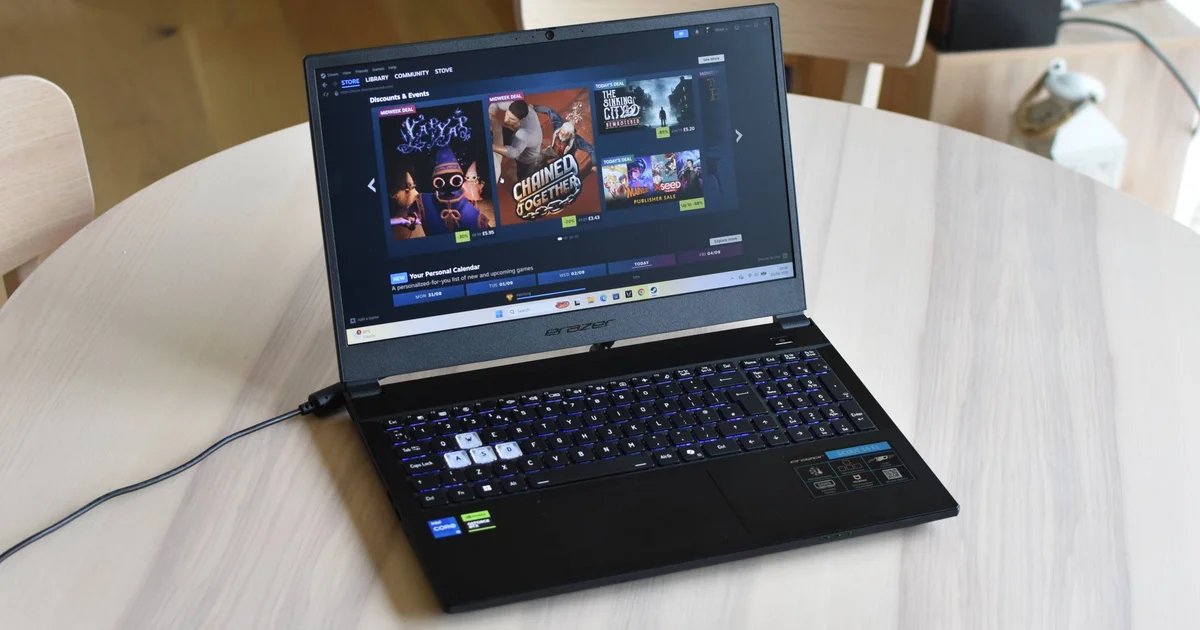
I don’t know if memory shortages have permanently killed off the concept of ‘cheap’ gaming PCs, but they have at least beat it into a coma. On the desktop side, inflated RAM, SSDs and graphics card prices continue to inflict karmic pain for our years of “It’s cheaper to build it yourself” smugness, while formerly affordable handheld PCs are either suffering 40%-plus jackups or launching above £1K from the off. And the Steam Machine! The poor, square Steam Machine.
Every few weeks, possibly in denial, I’ll skim through the shops to see what budget games kit actually looks like in this day and age. Across the last five or six rounds, little has changed: the entry point into decent, more-or-less current-spec 1080p play remains stuck in the low quadruple figures, particularly if you’re fully new to PC ownership and need to factor in a monitor and peripherals. There is one exception, assuming you don’t fancy your luck on the secondhand market, but giving it a hands-on appraisal means confronting an ancient hardware foe of mine. And you all know how little I like to have my prejudices challenged.
Still, research suggests that yes, this truly is the most gaming PC you can get for under £999. So, um. Here it goes. May…maybe gaming laptops aren’t so bad.
Not as conceptually good as desktops or handhelds, obviously. Less powerful and modular than the former, less quiet and portable than the latter, laptops have never managed to adequately balance their compromises to my liking. They do suit cramped desks, and Welsh walking holidays, but historically it’s almost always been more comfortable (and cheaper) for value-minded homebound players to set up a budget desktop rig.
That, however, is changing. Although gaming laptops are absolutely not exempt from the pricing pressures exerted by RAM shortages, entry-level models do appear to be weathering them more hardily than equivalent desktop components. If you want, say, a latest-gen GPU on the cheap, you’re probably looking at Nvidia’s RTX 5050, a DIY build for which – inclusive of a monitor, Windows license, and even a relatively basic CPU/memory/storage config – will set you back about £1,100. The RTX 5050-equipped laptop I ordered in to test this new reality, a Medion Erazer Scout 15, is £850 – or £798 from a considerably dodgier-looking website.
Unsurprisingly, there are some deficiencies that stop this from feeling like the bargain of the century. The CPU, for one, is an Intel Core i5-13420H, a three-year-old chip that wasn’t exactly El Capitan when it was new. Battery life is downright duff – expect modern games to eat a full charge in an hour or less – and even when it’s more happily plugged in, the fan noise can easily overpower its tinny speakers. Some of that saved cash will need putting aside for a sufficiently insulating headset.
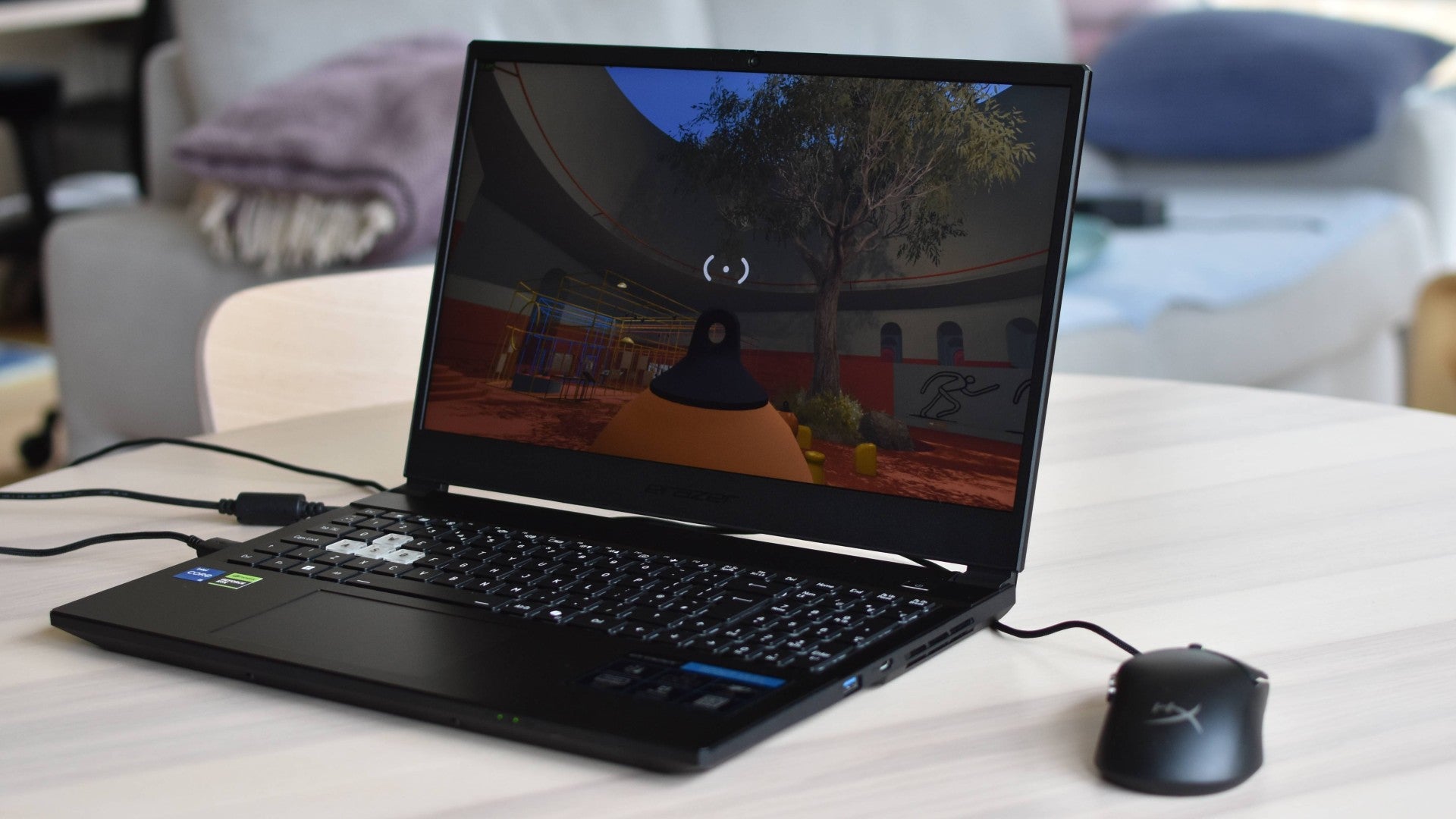
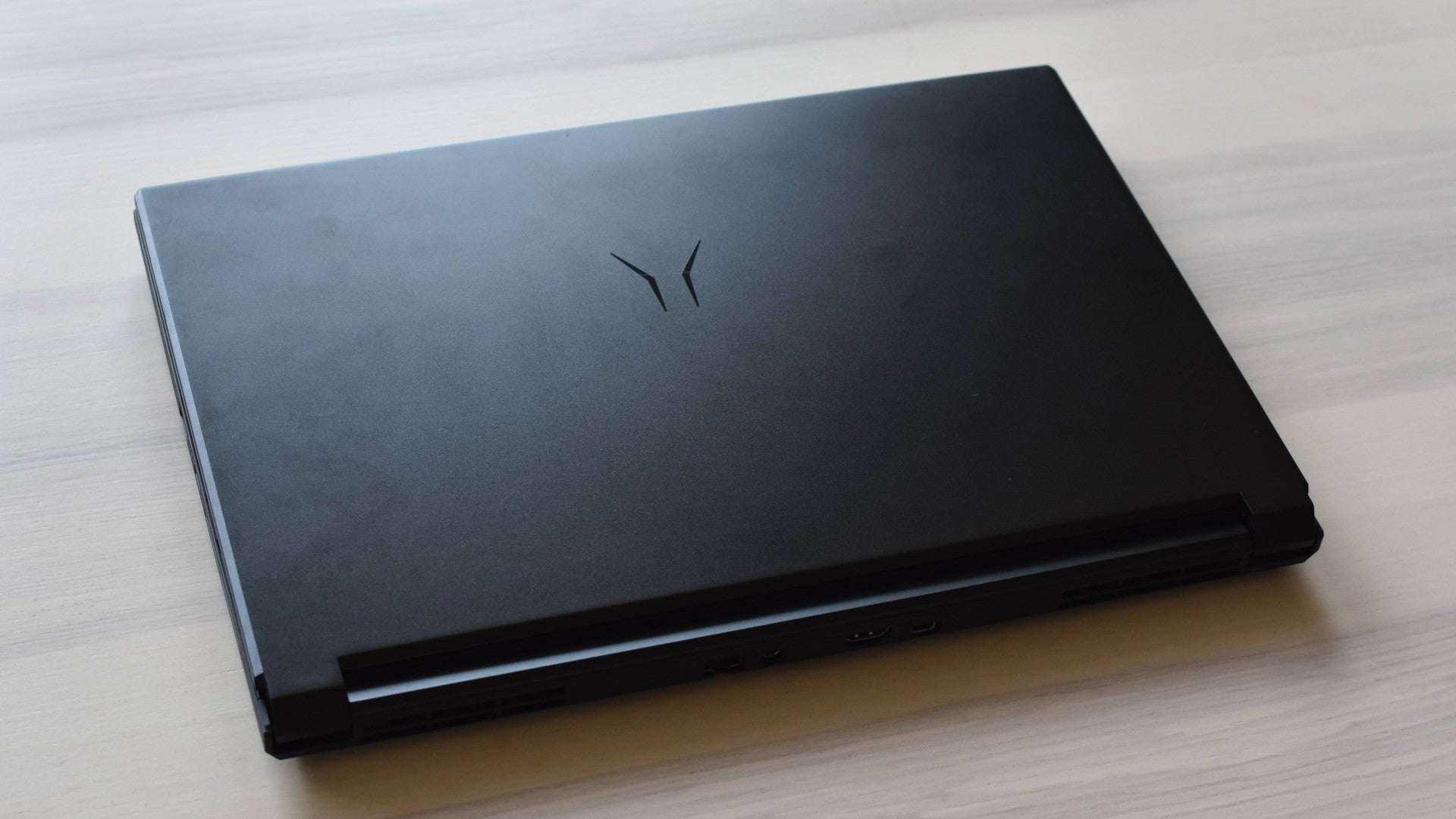
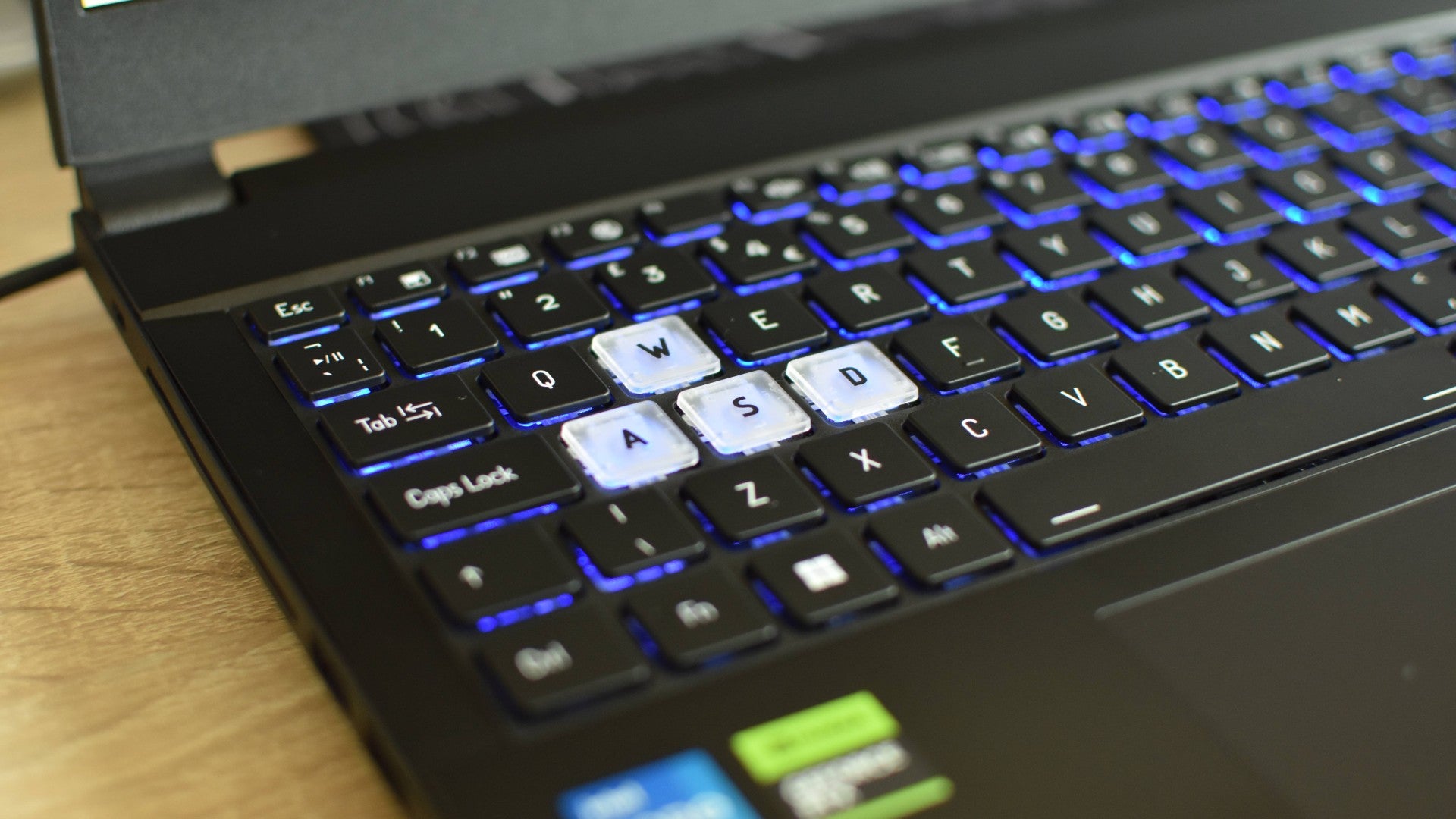
Otherwise, though, the Scout 15 looks and feels pretty nice for a cheapo notebook. Especially if, like me, you can recall the blocky, over-RGB’d horrors that comprised this end of the market a few years back. This one, white WASD keys aside, is commendably mature, offering a decent smattering of ports in a tasteful, slim-enough shell.
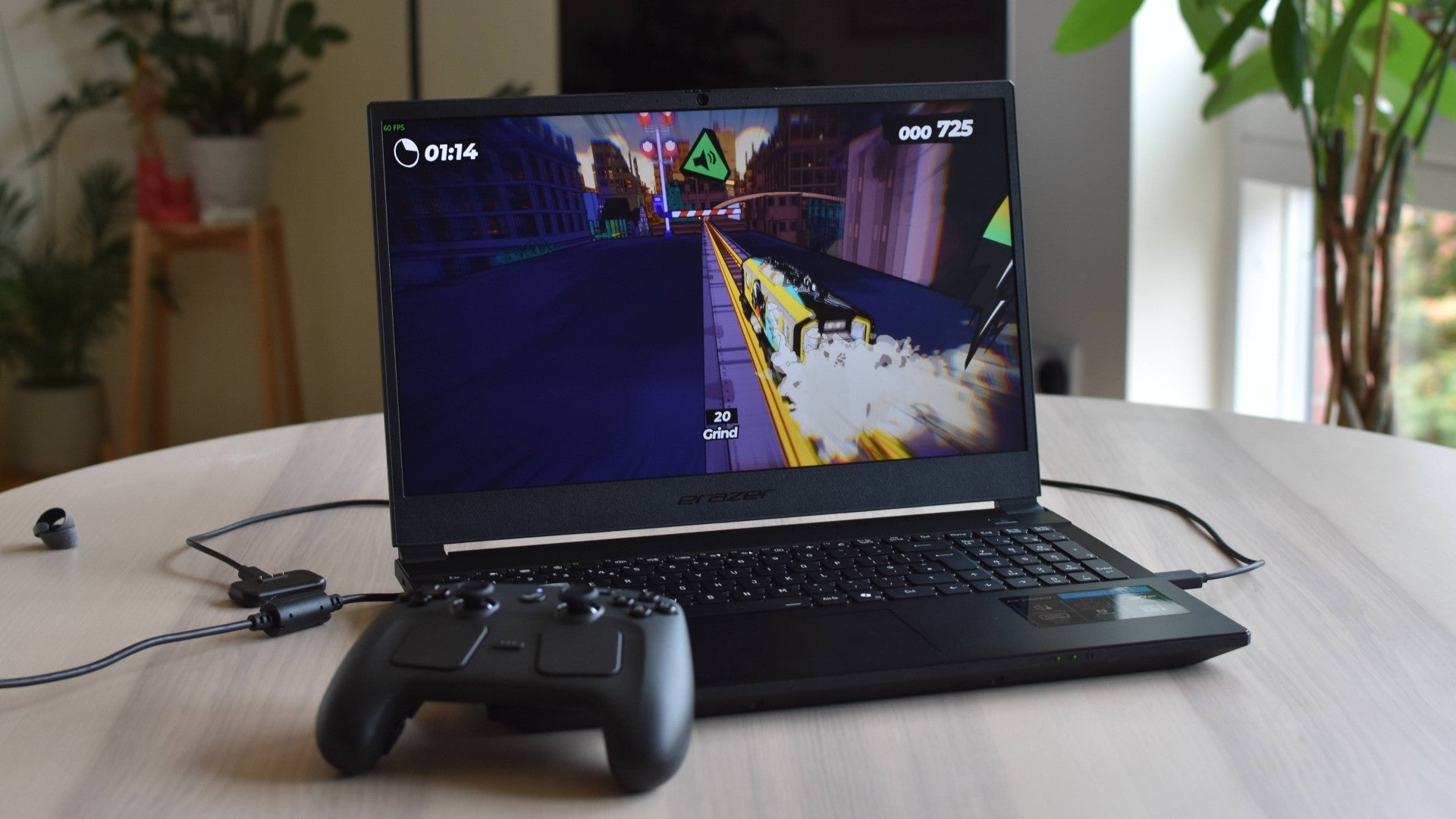
Its 16GB of RAM is arguably the least you should get away with, but then at least you still can, and the 1TB SSD avoids cut-price hard drive sluggishness. The 144Hz IPS screen ain’t badly specced either: it’ll look dim next to a Steam Deck OLED, only covering 62.7% of the sRGB colour gamut and peaking at a so-so 330cd/m2 brightness in my tests, but its measured contrast ratio of 1,574:1 is good for an IPS panel. That refresh rate plays well with less demanding games, too.
Speaking of, the laptop-grade RTX 5050 appears to occupy the same “High, maybe not Ultra” performance space as the Steam Machine. Which is fine, and perhaps something to count in laptoppery’s favour: a base 512GB Steam Machine costs about the same as this Erazer, but add the cost of a screen and a keyboard, and the laptop comfortably delivers more frames per pound.
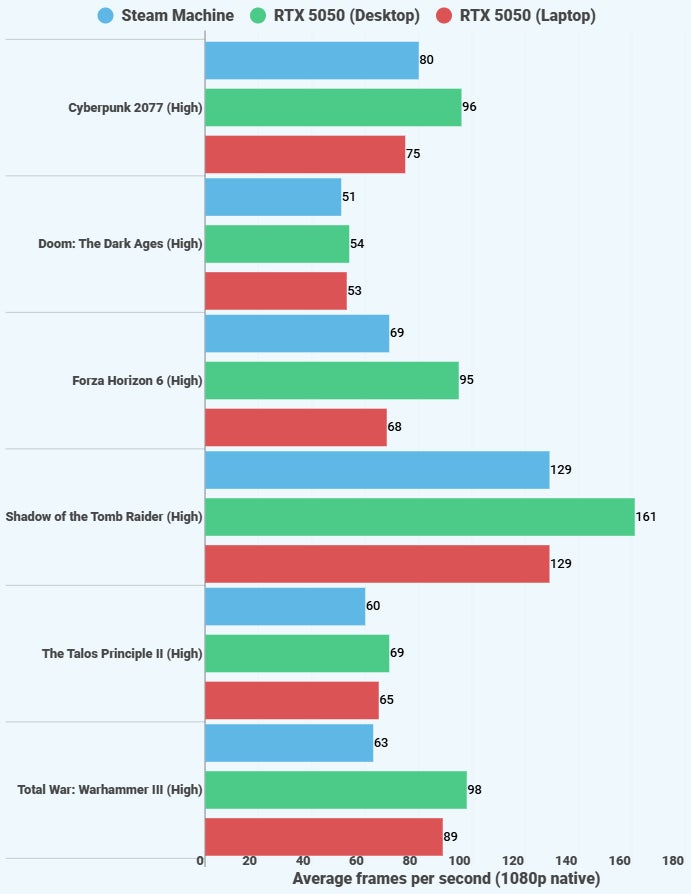
The desktop RTX 5050 is clearly more powerful than both, though it did have the advantage of being benchmarked with the RPS Test Rig’s top-end Ryzen 7 9800X3D CPU; in a fully budget-spec PC, that advantage would be narrower.
The laptop 5050 also comes with all the same DLSS gubbins as the full-size original, including the latest, sharpest DLSS 4.5 upscaling, as well as Multi-Frame Generation if you’re into that sort of thing. Ray tracing, too, works better on this discrete GeForce GPU than on the Steam Machine’s combined CPU/GPU, the Scout 15 averaging 50fps in Cyberpunk 2077 with ray-traced reflections, sub shadows, local shadows, Medium-quality RT lighting, and Quality DLSS. On the Machine, those same settings – save for FSR in place of DLSS – scored 37fps.
None of this actually addresses my big gripes with gaming laptops. The Scout 15 is still loud, still not that portable in realistic use terms, and still not really that cheap. Though maybe, at least on that last point, it doesn’t need to be – it only needs to be more affordable than the alternatives, which in the modern environment of seemingly endless, top-down-imposed pricefucks, represents a massive improvement to its overall desirability as a PC gaming entry point. And, by extension, that of similar low-end lappies like the Acer Nitro V15.
I still think the Steam Machine makes a lot of sense as a living room PC specifically, but until desktop hardware prices in general can get their act together, sod it: I’ll learn to live with gaming laptops as a serious alternative. As much as there are no true ‘good deals’ in full PCs right now, even a clamshell sceptic must accept that for newcomers, they’re the closest thing we’ve got.