dailynewsnblog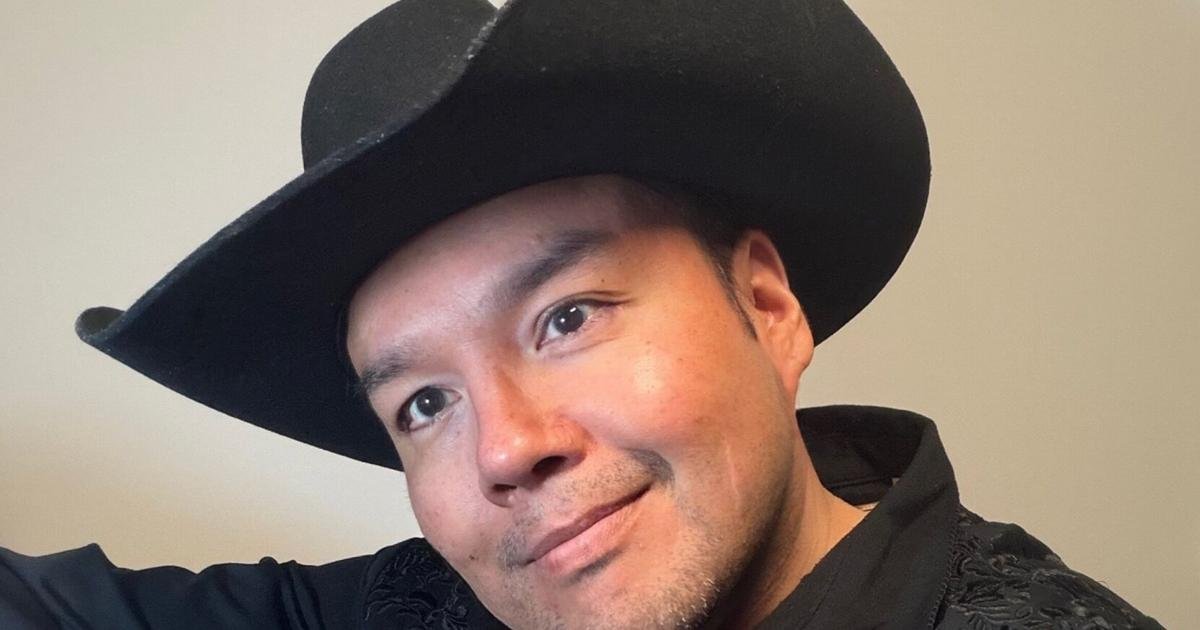
Comedian, puppeteer and screenwriter DerRic Starlight’s talents and values long battled his demons to determine his future. Alcoholism during a period of voluntary, investigative homelessness dogged him even as he kept earning laughs from crowds in Western Canada and those watching him on APTN. He wound up in a treatment centre west of Lloydminster with his talented friend Bobby, as they resolved to stay sober and make it to Toronto — specifically, the most important place in Canadian comedy: Second City. As this excerpt from Starlight’s book “See-Me Street: My Homeless Indigenous Journey” shows, there would be losses along the way.
My stay at the Thorpe Recovery Centre was coming to an end. One afternoon, our counsellor walked into the group room with a stack of papers and said, “Today we’re going to make a plan for what comes next.” We were asked to draw what the next five years of our lives might look like. Most people sketched calendars, mountains, or winding roads. I drew something else entirely: the old 1980s “Donkey Kong” video game. I told the group, “That little guy climbing the ladders — that’s me.” People laughed, but I was serious. In the game, you start small and climb one rung at a time, dodging barrels and fireballs. Each level gets harder, but you get stronger. Every barrel in my drawing meant something I wanted to reach.
The first barrel said, “Be a better father.” That one mattered most. Jessica, Aerial, and Isaac are my heart. I can’t change the past, but I can show them a better version of me — one who shows up for birthdays, report cards, and quiet nights when they just need to talk.
The second barrel was “Get my own place.” To me, that meant peace. A small apartment or townhouse where I could make breakfast, work on my puppets, and finally feel safe.
The third barrel said, “Help my friends.” I’ve watched too many street brothers and sisters struggle with addiction and loneliness. If I could find my way up, maybe I could help pull someone else along .
The fourth barrel read, “Go back to The Second City Toronto.” Comedy and puppetry gave me confidence once. I wanted to stand on that stage again, not just as a performer, but as a survivor. I wanted Bobby there too.
The fifth barrel was, “Make amends with friends and family.” Not just saying sorry, but proving I’d changed — rebuilding trust one day at a time.
The sixth said, “Go to film school in Vancouver.”
The seventh barrel was simple: “Take my kids to Disneyland to make a memory that lasts.” At the very top was the last barrel: “Work at The Jim Henson Company.” That dream has lived in me since childhood. If I ever reached it, it wouldn’t just be for me — it would be for anyone who ever needed imagination to survive.
When I finished, the counsellor asked what it meant. I said, “No matter how many barrels roll my way, I’ll keep climbing. I’ve fallen before, but now I know how to get back up.” That drawing wasn’t just a plan — it was a promise.
Finding my higher power
Another day at Thorpe, we were asked to draw our higher power — whatever gave us strength or purpose. I stared at the page for a long time. Then I drew Jim Henson, surrounded by the Muppets.

Characters from “The Muppet Show,” 1976-1981.
Star file photo
As a kid, I watched the Muppets for hours — not just laughing, but learning. I learned that kindness could be funny, that creativity could heal, and that puppets could say truths people were afraid to speak. Jim Henson built worlds out of felt and foam where everyone belonged.
My higher power doesn’t live in the clouds. It’s the reminder to keep creating, to believe in something better, even when life gets dark. That belief carried me through more than I realized. So when I finished the drawing, I wrote one line beneath it: Keep the dream alive.
I was serious about helping Bobby become an onscreen performer. He always wanted to. From the first day I saw him on the streets making people laugh and lift their spirits, I knew he had something special. He had this spark — a mix of humour, honesty, and heart that could light up any room. Bobby wasn’t just a powwow dancer or a street performer; he was a real entertainer. Deep down, I knew he wasn’t just an alcoholic trying to survive. He was a brilliant man with a story worth telling.
When I got out, I wanted to help both myself and Bobby apply for funding through our reservations. I wanted us to go to Toronto and Vancouver — not to escape, but to rebuild. To study acting, writing, film, whatever it took to give us a real fresh start. I believed that if we could learn new skills, we could change our own lives and maybe help our families too. Before I came to Thorpe, I used to think dreams were only for people who already had everything together. Now I know better. Dreams are what help people get it together. They’re what keep you moving when everything else feels too heavy.
When I thought about Bobby, I didn’t just see a man from the streets, I saw a friend with a story that deserved to be seen by the world. And I wanted to stand beside him on that journey, just like others stood beside me when I needed it most.
Dad picked me up and we drove back to his place. I knew this was my chance to rebuild my life to start from scratch if I had to. I made a plan. In March, I was going to go back to Second City in Toronto. That was where I learned so much about performing, writing, and being fearless on stage. I wanted to go back, not just to perform, but to prove to myself that I still had it. Then in September, I planned to go back to film school in Vancouver. That was the dream: to get behind the camera and tell stories that mattered.

Comedian/puppeteer Derric Starlight and his creations.
derricstarlight.ca
I knew it wasn’t going to be easy. I had to rebuild my career piece by piece. I had to earn back trust, rebuild my name, and start from the ground up. But I wasn’t afraid of hard work anymore. Then I heard about something big. In 2018, Lethbridge was holding the annual International Peace Powwow & Festival, hosted by the Kainai Nation (Blood Tribe). I knew it was a huge event, big audience, cameras, and even a live broadcast to First Nations communities across Canada and the United States.
I decided to take a chance and asked if I could do a halftime show. I needed to be in front of that camera because I knew it was going to give me the push that I needed. They said yes! When I stepped out into that arena, I felt alive again. The lights, the drums, the cheering. It all came together like a sign that I was on the right path. I gave everything I had in that performance. I made people laugh, I made them cheer, and I felt that old fire come back. After that, bookings started to roll in and even from as far away as Manitoba. I was asked to appear on Calgary breakfast television shows, just like I used to when I first started back in 1997.
Then I got the news I had been praying for, I got funding to go to The Second City in Toronto. It felt like the world was opening up again. Bobby got funding too, through Maskwacis, and we were both excited to take this next step together. Things were finally lining up. Then just before our trip to Toronto, Bobby slipped and started drinking again. It broke my heart, but I didn’t give up on him.
Around that time, we also got the sad news that our friend Willowmania had passed away at the Alpha House in Calgary. It hit us very hard. You could see the pain in Bobby’s eyes. He told me, “I want to do this right. I want to get clean before we go.” Sometimes, pain has a way of reminding us how much we still have to live for.
Toronto it is
Downtown Toronto was bitter cold that winter. The wind tore through the streets like it had something to prove, and every night the sidewalks glistened with ice. Bobby and I rented a nice small hotel room near Second City, our home base for the next month. We didn’t have much, but we had a plan to finish what we started and take one more big step.
I had been to Second City before, back in 2010. This time, I was there to complete the courses I never finished: improv, writing, and performing. Bobby was starting fresh, taking film acting classes for the first time. We both wanted to make something real out of our lives.
The Second City is not an easy place. They push you hard, make you think fast, and teach you to be fearless in front of a crowd. Every class was a challenge. You couldn’t fake your way through it. You had to dig deep.
Our weeks were long. We’d walk to class through the wind tunnels of downtown, half frozen, but determined. At night, we’d wander the city just to stay awake — Queen Street, Eaton Centre, and once we even made it to the Hockey Hall of Fame, which Bobby loved. Some nights we barely had enough in our budget for food, but we laughed our way through it. It felt like maybe, just maybe, this was the start of something good.
When we finally finished our studies, we decided to celebrate at Niagara Falls. The air was thick with mist, and we could hear the roar of the water miles away. Standing there, we felt small but also proud. We had made it through the hard part. Then, out of nowhere, we ran into Tom Jackson, the well-known Indigenous actor and musician. He was there on vacation. He told us, “Keep doing what you’re doing and make your family proud.” It felt like a sign.

“See-Me Street: My Homeless Indigenous Journey”
DerRic Starlight
Durvile & UpRoute
320 pages
$34.95
ded by: Fraser, Garnet
Durvile & UpRoute photo
The next day, I got a message from my agent Eddie. We had a show booked in Winnipeg at a casino. The work, the travel, it was all coming back. I was excited and thankful. But that night, while I slept, Bobby went out to celebrate with Lady Luck at the casino. When I woke up, the bottle was back, the same one that always found him when things were good. My stomach sank. I wanted to believe he’d beat it this time.
The next morning, Bobby was pale and shaky, fighting a hangover. We went to the Wendy’s across from the hotel for breakfast before heading to the airport. They messed up our order, and Bobby snapped. He started yelling at the counter, his voice echoing through the restaurant. I could feel people staring. I wanted to disappear. We walked out to grab a cab and when we arrived two police cars were waiting. They called us over, and before I could say anything, they cuffed him and put him into the cop car.
I tried to explain, but they said he’d only be in a holding cell for a couple of days. I watched him with sorry tears in his eyes. I didn’t want to leave him behind. But Eddie said, “You have to go, DerRic. You can’t lose this opportunity.” So I went to Winnipeg alone. I performed the show with a heavy heart, pretending everything was fine. A few days later, Bobby caught a bus to meet me. We did a few shows together around Manitoba. We laughed again, like nothing had happened. But deep down, I was scared for him.

The old Second City sign at 56 Blue Jays Way.
Star file photo
When we got back to Calgary, I couldn’t stop thinking about Vancouver. Film school was next the final step of my plan. But I didn’t know if I could take Bobby with me. I wanted to believe we could rise together. But recovery isn’t a straight line. It’s full of turns, heartbreak, and hard choices. That winter taught me something powerful: You can’t carry someone else’s storm without losing your own light. I knew I had to keep going for both of us. Even if it meant walking that next road alone.
Excerpt from “See-Me Street: My Homeless Indigenous Journey,” by DerRic Starlight (2026), with permission from Durvile & UpRoute. Reproduced by arrangement with the Publisher. All rights reserved.