dailynewsnblog
Since the opening of  Denver International Airport (DEN) in 1995, the sprawling airport has suffered from a lack of foot access between concourses, but that is all about to change. The ‘must-ride’ train will soon be complemented by pedestrian walkways that offer an alternative way to get around Colorado’s biggest hub.
CBS News reported that the project is estimated to cost between $300 and $700 million, and construction is slated to start in 2027. A select number of the existing underground baggage tunnels will be repurposed as footpaths. In preparation for traveler numbers reaching 100 million annually, the ‘Vision 100’ plan also includes a $75 million investment in modernizing the airport trains, according to 9NEWS.
Vision 100: Denver Ramps Up For The Next Era

For the last three decades, except for a single pedestrian bridge to Concourse A at DEN, the automated train has been the only way to reach Concourses B and C. When the train fails, the airport’s only backup is to shuttle tens of thousands of passengers via tarmac buses. It is described as an agonizingly slow process when this scenario unfolds, as it cannot scale to handle peak crowds. According to KYGO, officials considered above-ground bridges, but between the added disruption and the estimated cost in the billions, tunnels were selected.
DEN was not originally built to handle the traffic it sees today. While the train operates reliably about 99% of the time, the sheer volume of modern air travel means it can no longer safely act as a single point of failure. Over the years, flyers passing through DEN have endured hardship whenever a major train outage happens. The airport descends into chaos in the absence of rail service, causing many to miss flights and resulting in gridlock at the terminal gates.
Denver Mayor Mike Johnston remarked on the new project in a statement obtained by 9NEWS.
“This is a big win for Denver’s travelers and for our entire community,” said Denver Mayor Mike Johnston. We’ve heard loud and clear that easier, more reliable ways to move between concourses have been a top priority for people traveling in and out of [DEN].”
The Impact On United Airlines Connections

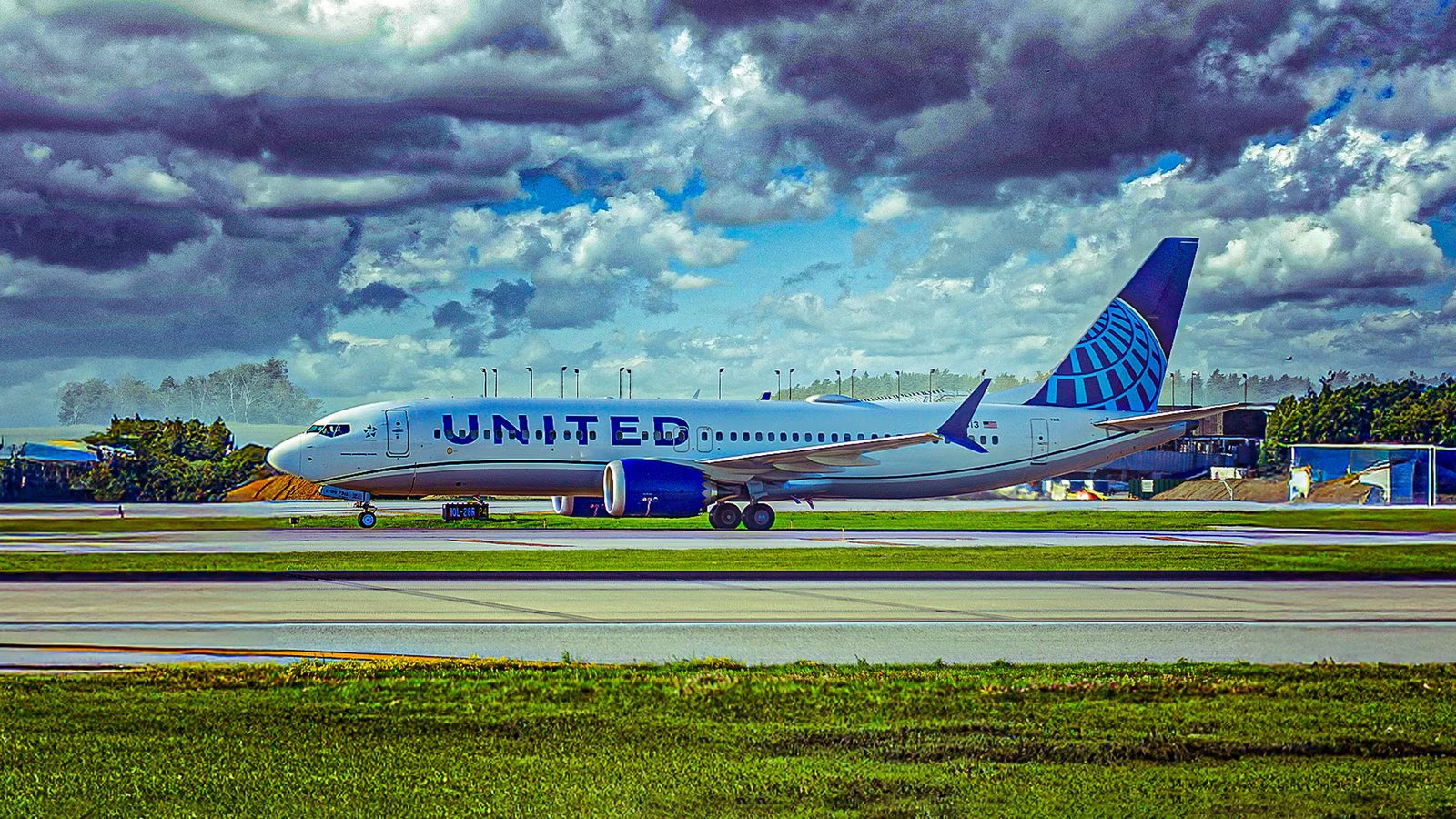
 United Airlines is Denver’s largest carrier and operates flights from two terminals, which makes the train a constraint on passenger flow when it operates below full capacity. Even if the rail connection isn’t entirely down, malfunctions that slow service also increase the risk that connecting passenger will miss their next flight. Similarly, it creates a bottleneck of flyers during peak arrival and departure hours.
If the train slows down or stalls for even a few minutes, the domino effect causes passengers to miss their tight connection windows. While passengers can walk from the terminal to Concourse A via the skybridge, a United passenger connecting from Concourse A to Concourse B has no way to walk across. The addition of walking tunnels will provide a much-needed ‘relief valve’ that gives travelers who can’t wait for the train to make it to their gate before the plane takes off without them.

Does Denver Need A 2nd Commercial Airport?
It seems unlikely that the Mile High City will get another commercial airport soon.
Why Denver Has Baggage Tunnels To Spare

Intended to be the crown jewel of the new airport in the early 1990s, the automated baggage system at DEN, which was supposed to occupy the tunnels now being rebuilt, became a $600 million debacle. BAE Systems was supposed to deliver 3,100 independent, computer-guided track carts called ‘telecars’ that would move luggage between any gate at the terminal in half an hour. The ambitious scale and unproven technology first led to downsizing and eventually complete abandonment.
A conventional system of tug-and-cart bag movers replaced the unsuccessful telecars before DEN opened, and United’s mini-telecar tracks were also shut down in 2005. Since the system was never completed, its failure left miles of unused tunnels vacant below the airfield. To reuse this costly infrastructure and provide passengers with faster, alternative access, these are now being transformed into a feature that may be very different but is equally valuable.
Catch what other trackers miss
Emergency squawks, holds, NOTAMs — live signals, no signup.
Open tracker
Catch what other trackers miss
Emergency squawks, holds, NOTAMs — live signals, no signup.
Open tracker