dailynewsnblog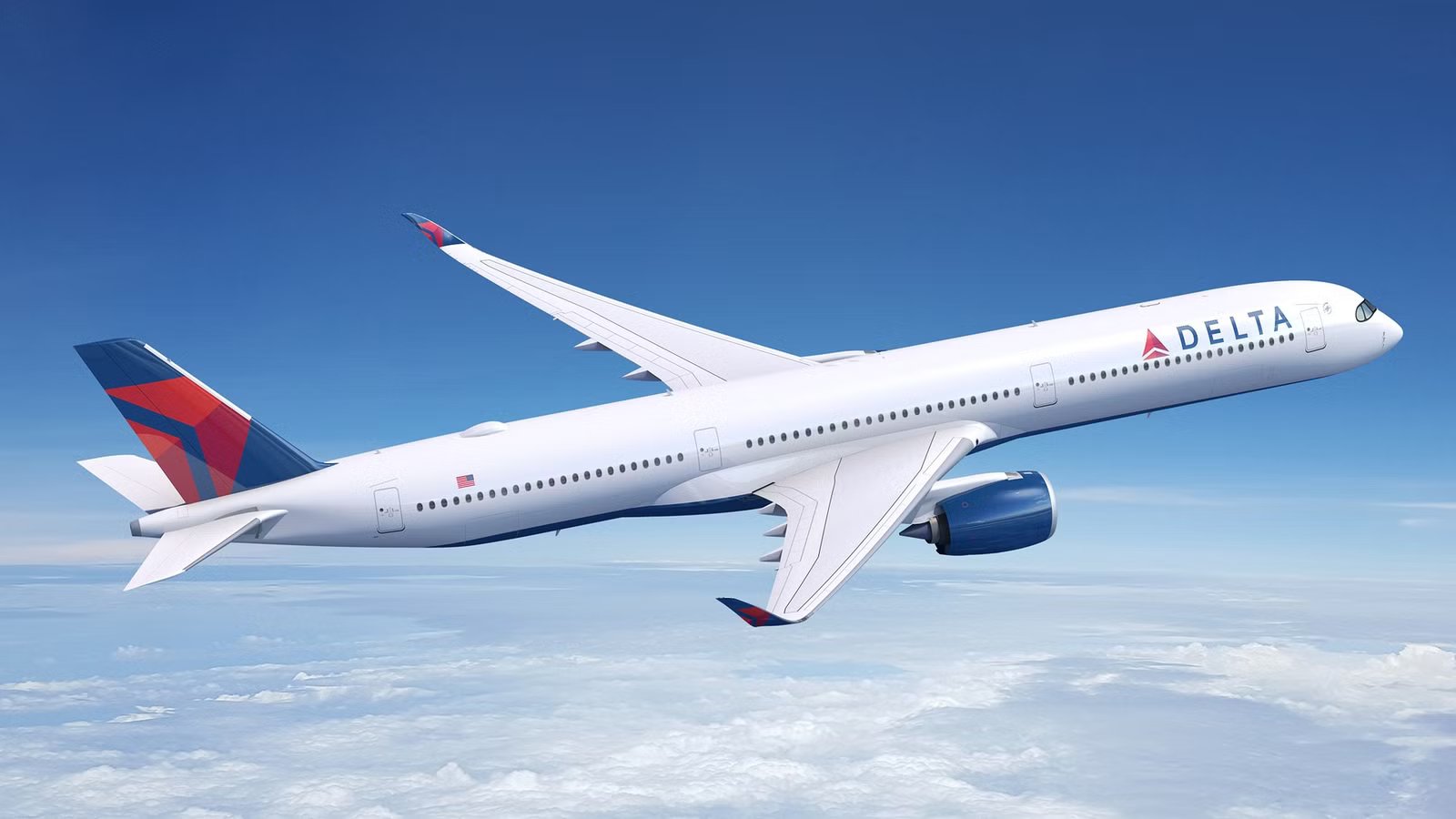
Atlanta-based  Delta Air Lines could be planning to introduce its new Airbus A350-1000 aircraft on nonstop flights from its hubs at
  Detroit Metropolitan Wayne County Airport (DTW) and
  Hartsfield-Jackson Atlanta International Airport (ATL) to the Korean capital. These flights will operate to Seoul
  Incheon International Airport (ICN); however, the schedule remains to be confirmed.
Aviation insider JonNYC suggested on X that the unconfirmed rumor is that these would begin flying from two of the airline’s busiest bases to a key Asian gateway, Incheon, home of SkyTeam partner Korean Air. Simple Flying reached out to Delta for comment on these rumours; however, an airline spokesperson could not immediately be reached.
More Than 20 A350-1000 Destined For Delta Air Lines

Delta has an order of up to 20 of the largest A350 variants. The A350-1000 will be added to Delta’s fleet from 2027, with the first delivery expected in early 2027. For the airline’s firm order of 20, the carrier has options to add a further 20 as ongoing fleet adjustments evolve.
These aircraft deliveries will make the A350-1000 the largest aircraft type in the airline’s fleet since the Boeing 747 was retired by Delta in 2017. The new planes are set to be powered by the Rolls-Royce Trent XWB-97 engine and are planned to fly on the carrier’s flagship long-haul international routes.
With a 20% lower fuel burn, and the configuration already released and primarily dedicated to the premium passenger, it will see the introduction of the next-generation Delta One seat, which features the largest seat-back screens the airline has ever installed.
Nonstop A350-1000 Flights To Seoul

Those questioning why the airline may select Seoul as its first international destination with these aircraft can look no further than the SkyTeam and Delta international network. Seoul is the largest international hub in Asia for Delta, and is a key gateway for travelers connecting within the Asia-Pacific region.
Delta has a joint venture with Korean Air, which has evolved through transpacific operations, with approximately 2,000 daily passengers on either airline between the Americas and Asia. This links more than 290 destinations in the Americas, and a further 80 in Asia. Most Delta hubs have nonstop flights to Seoul.
Delta and Korean Air both operate out of Terminal 2 at Incheon, with the shared location streamlining international connections, baggage transfers and lounge access.
Delta Ordered The A350-1000 To Modernize Its Aging Widebody Fleet

Delta ordered the A350-1000 as part of an overall plan to modernize the airline’s widebody fleet and expand its international network. These plans are set to replace less efficient and older Boeing 767-300ER aircraft, which will result in long-haul upgauging (more seats). With newer aircraft, these will reduce the overall fuel burn by up to 25% and provide less fuel per available seat mile when compared to older-generation planes. Further reasons why the A350-1000 will work for Delta are detailed below:
Fleet Replacement | These new jets will replace older Boeing 767-300ER airplanes |
|---|---|
Fuel Efficiency | Lower fuel burn of up to 25%, providing less fuel per available seat mile when compared to the aircraft that they plan to replace |
Lower Carbon Emissions | Newer jets will lower carbon emissions and operating costs for Delta |
Capacity | These aircraft will become the largest type to be operated by Delta, since the retirement of the 747 in 2017 |
Premium Cabin Focus | Up to half of these jets are dedicated to the premium passenger, including the next-generation Delta One Suites that include sliding privacy doors |
Ultra-Long-Haul Range | The A350-1000 has a range of up to 9,100 nautical miles (16,850 km), which will enable the airline to explore new nonstop high-demand international markets across Asia, Africa, India and the Middle East |
The first aircraft of its initial order of 20 is expected early next year, with rumors that it will be deployed on international flights to Seoul. As additional aircraft are delivered, it is likely the airline will add these to existing Asia-Pacific services, while also launching new routes, including the potential for Singapore to join the mix as early as next year.