dailynewsnblog
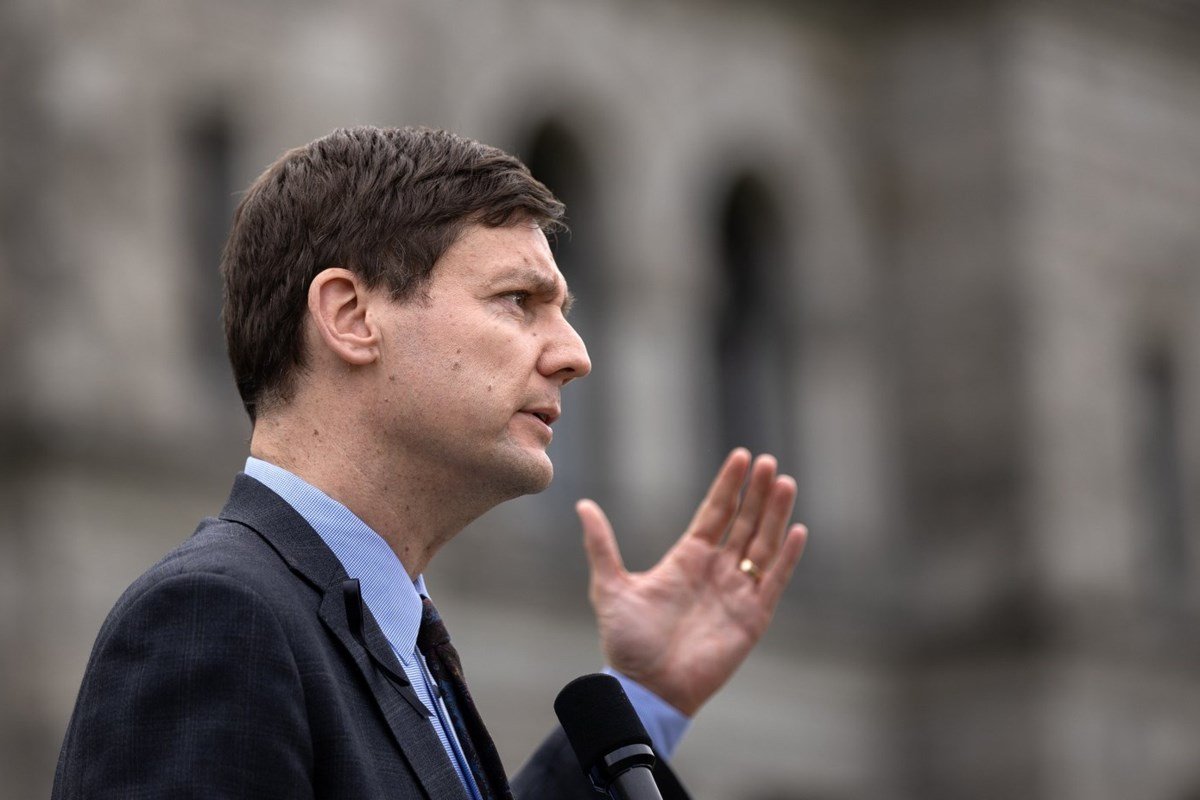
VICTORIA — British Columbia Premier David Eby said he doesn’t understand why the federal government continues to push a new oil pipeline from Alberta, while it fails to include B.C.’s softwood lumber industry in its latest round of tariff relief.
He said it’s unclear to him why Prime Minister Mark Carney said last week that a new pipeline is “more likely than not,” when no private proponent for the project has yet come forward.
“We haven’t seen anything to indicate that this project is any further along than it was a year ago now, with much hype, and not a lot of material reality,” he told reporters Monday at the provincial legislature.
Eby said he privately tells Carney that B.C.’s “real projects” in the energy sector “deserve at least as much respect” as the pipeline being touted by Alberta, which he says still remains unrealized in “any real way.”
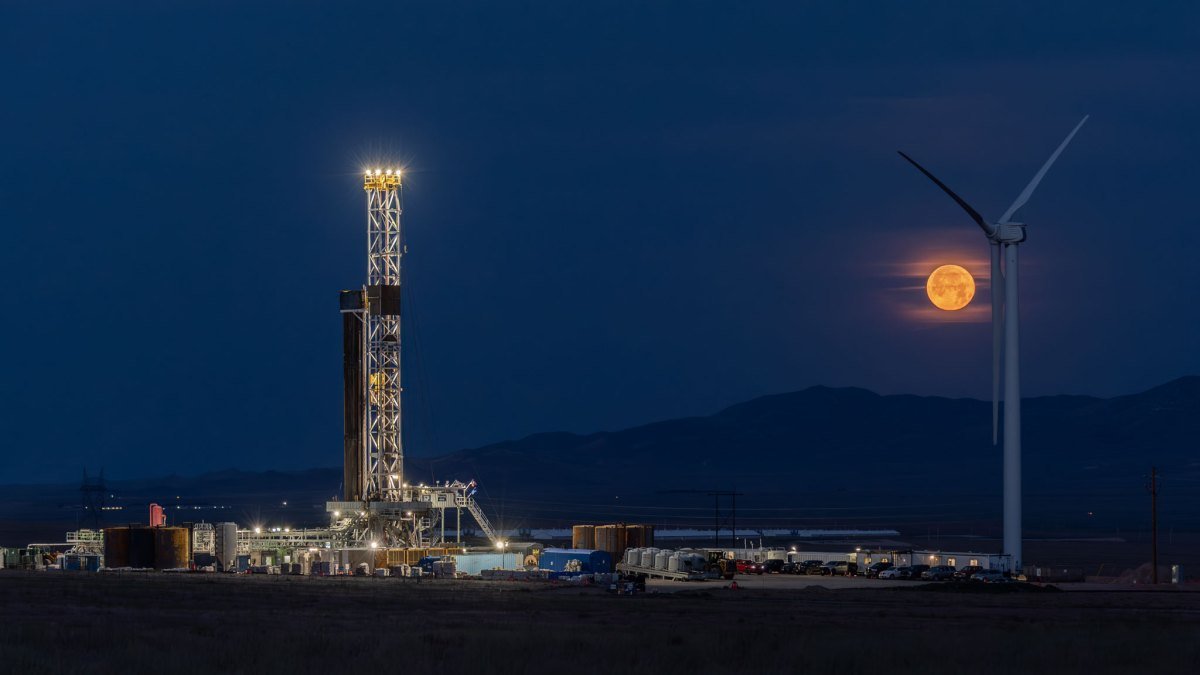
The proposed pipeline is part of an agreement the federal government struck with Alberta last fall. It includes language that could lead to a pipeline carrying bitumen to B.C.’s northern coast for shipping to the Asian markets.
Carney has also said that the pipeline will not happen without a private proponent, and a July 1 deadline has been set for Alberta to submit a proposal to Ottawa’s Major Projects Office for review.
A second pipeline from Alberta to B.C.’s northern coast would require Ottawa to lift a ban that currently prohibits tankers carrying more than 12,500 metric tons of oil along the North coast.
“We stand in strong opposition to any change to the tanker ban off the North coast,” Eby said. “We have to protect that (local) economy, and we will continue to advocate for that, and we continue to insist that this project shows some air of reality before it gets priority over very real projects in British Columbia.”
Several First Nations along the northern and central B.C. coast have also said they’re opposed to lifting the tanker ban.
The federal government separately announced on Monday another $1.5 billion in tariff relief, but without any additional money for softwood lumber.
It said $1 billion will be available to industries that manufacture and export products containing steel, aluminum or copper after the U.S. raised tariffs last month on those industries on national security grounds.
The federal government is also providing an additional $500 million through regional development agencies for other industries affected by U.S. tariffs.
The statement said that government will also continue to support other critical tariff-impacted industries, such as softwood lumber, without giving details.