dailynewsnblog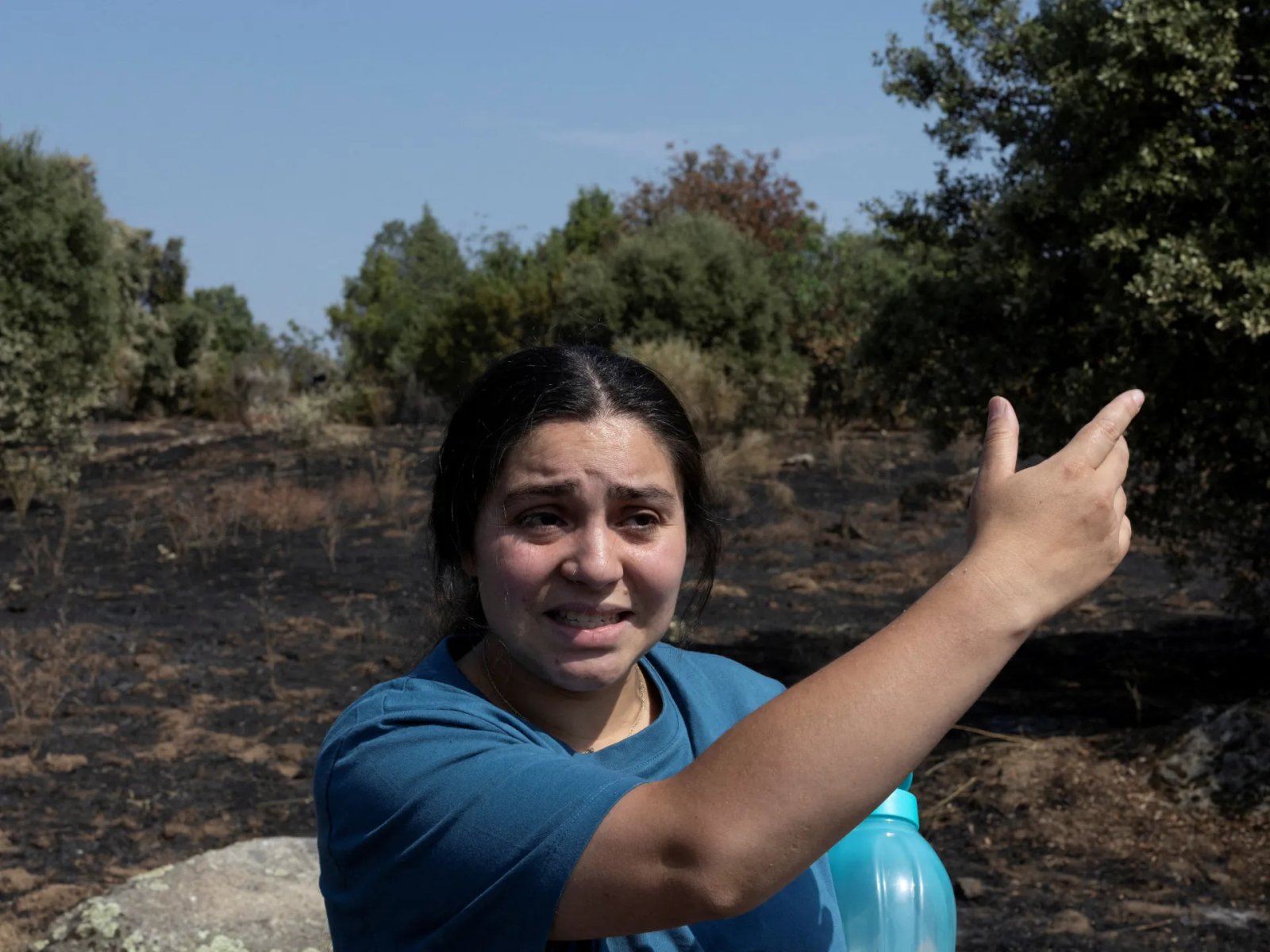
Europe’s summers are transforming. What were once considered exceptionally high temperatures, such as the near 40 degrees Celsius (104 degrees Fahrenheit) being experienced in Prague, are becoming the norm.
According to Europe’s Copernicus Climate Change Service, late May and June heatwaves brought daily average temperatures of more than 10C (18F) above the norm in parts of France, the United Kingdom and Spain.
Recommended Stories
list of 4 itemsend of list
Western European temperatures averaged 20.74C (69F) in June, 3.06C (5.4F) above the 1991-2020 average.
With some temperatures climbing well above 40C, prolonged droughts, destructive wildfires and shrinking rivers are no longer freak events but recurring features of European summers.
Scientists have repeatedly warned that climate change would increase the frequency and intensity of extreme weather. Heatwaves now last longer, arrive earlier and affect more countries simultaneously.
The consequences extend beyond uncomfortable temperatures. They are reshaping ecosystems, economies and daily life across much of the continent.
Wildfires: Larger, earlier and more destructive
Extreme heat dries vegetation, turning forests, scrubland and grass into fuel for fires. When strong winds combine with prolonged drought, fires can spread more rapidly and become ever more difficult to control.
Countries across the Mediterranean area – including Spain, Portugal, Greece, Italy and France – have a history of wildfires. But fire season now starts earlier, lasts longer, and affects regions that in the past faced a much lower risk.
The European Union recorded at least 1 million hectares (2.5 million acres) of land burned in the region last year, nearly double the historical average.
Some fires are so intense they generate their own weather systems. Known as pyrocumulonimbus clouds, these towering smoke clouds can produce powerful winds, lightning and embers that ignite new fires several kilometres away, making them even harder to contain.
Beyond the immediate destruction of homes and forests, wildfires damage biodiversity, release dangerous quantities of carbon dioxide and leave landscapes vulnerable to erosion and flooding when heavy rain eventually returns.
Water under pressure
Heatwaves also place enormous strain on Europe’s water resources. Higher temperatures increase evaporation from rivers, lakes and reservoirs while reducing soil moisture. Mountain snowpacks melt earlier in spring, leaving less water available during the hottest months.
Rivers such as the Rhine, Po and Danube have repeatedly experienced unusually low water levels during recent summers. Low rivers disrupt shipping, reduce hydroelectric power generation and can threaten industrial operations that rely on river water for cooling.
Agriculture is often among the hardest hit sectors due to high temperatures. Farmers across Southern and Central Europe are dealing with reduced crop yields, livestock heat stress and greater demand for irrigation at the same time water is becoming scarce.
A study released in May by the European Investment Bank and the European Commission projected that climate change threatens to increase annual European agricultural losses by as much as 66 percent by 2050, threatening the future of food production.
Some regions are already restricting water use during prolonged dry spells, a sign of how climate change is beginning to affect everyday life.

Health hazards, strain on energy systems intensify
Heat is among Europe’s deadliest natural hazards. Unlike floods or storms, the impacts are often less visible but more widespread.
Older people, children and people with existing medical conditions are most at risk. Hospitals see increased admissions linked to dehydration, heatstroke and cardiovascular illness during heatwaves.
Cities are especially vulnerable because concrete and asphalt absorb and retain heat, creating what is known as the urban heat island effect. Night-time temperatures remain high, preventing buildings and people from cooling down.
The growing use of air conditioning offers some protection but creates another challenge.
Electricity demand often surges during heatwaves as millions of people seek relief from the high temperatures. This coincides with a slump in efficiency in power generation as warmer rivers mean that the cooling of thermal and nuclear power stations is more of a challenge.
This creates a growing challenge for Europe’s energy systems as demand rises precisely when supply can become more constrained.
Economic costs escalate
The financial effects from this environmental crisis are mounting. The European Environment Agency estimates that extreme weather has already cost Europe 738 billion euros ($850bn) from 1980 to 2023. At least 162 billion euros ($190bn) of that was in the most recent three-year period.
The agency projected a lack of robust climate action could cost the European economy more than 5.6 trillion euros ($6.4 trillion) by 2050. These costs affect almost all sectors of the economy.
Wildfires destroy homes, tourism infrastructure and businesses. Drought reduces agricultural production while low river levels disrupt trade and manufacturing.
Outdoor workers in construction and agriculture face reduced productivity as extreme heat makes working safely more difficult.
Insurance losses from weather disasters have also risen sharply over recent decades. Three-quarters of Europe’s natural disaster losses are uninsured, according to the European Central Bank.
Meanwhile, governments face growing costs associated with responding to emergencies and rebuilding communities.
Many economists argued that investing in climate resilience today will be significantly cheaper than repeatedly paying the costs of more frequent disasters.

Adapting as warming accelerates
Climate projections consistently indicate that Europe will continue to warm faster than the global average. Southern Europe is expected to experience hotter and drier summers, increasing the likelihood of severe drought and wildfires.
Even Northern Europe, traditionally associated with milder summers, is expected to experience more intense heatwaves. Cairngorms National Park in the Scottish Highlands recently witnessed wildfires that forced local communities to flee
Communities are already adapting to some extent. Cities are planting more trees to provide shade, redesigning streets to reduce heat, expanding early warning systems and have begun developing cooling centres for vulnerable residents.
Water conservation, improved forest management and more resilient infrastructure are becoming important parts of long-term planning. Agriculture is also changing as farmers experiment with drought-resistant crops, different planting schedules and more efficient irrigation systems.
But scientists stressed that adaptation alone will not be enough. Without significant reductions in greenhouse gas emissions, the conditions that create extreme weather are expected to become more common in the years ahead.
Europe’s recent summers are no longer viewed simply as isolated weather events. They offer a glimpse of what a warmer climate could mean.
The challenge lies in responding to today’s extremes and preparing populations for climates in which intense anomalies become normal.