dailynewsnblog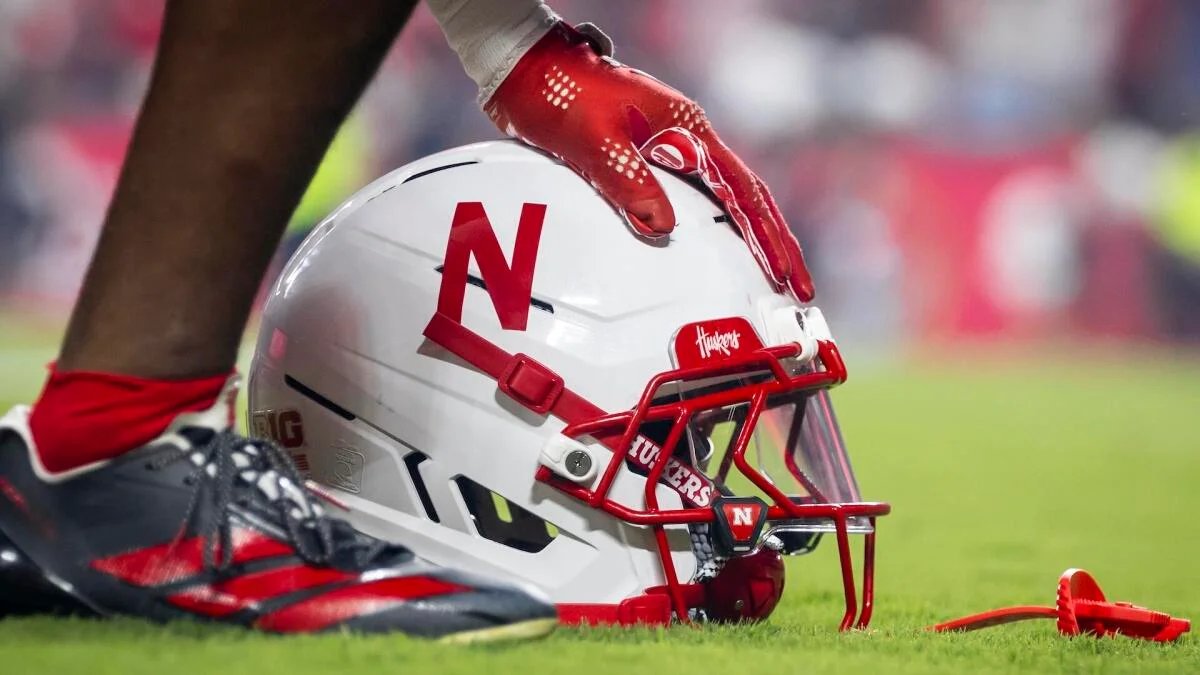
The College Sports Commission won its first binding arbitration test Monday, but perhaps the harder fight begins later this month in a California courtroom.
A neutral arbitrator affirmed the CSC’s rejection of NIL deals between Nebraska football players and Playfly Sports, validating the commission’s authority to designate the school’s multimedia rights partner an “associated entity” under the House v. NCAA settlement. Such deals are barred under CSC rules. Those deals under scrutiny are worth more than $1 million combined.
Jeffrey Kessler, lead counsel for the House plaintiffs, made clear the ruling doesn’t settle what he believes is a broader fight over the CSC’s enforcement reach. In a separate case tied to the House settlement scheduled for later this month, Kessler will argue that multimedia rights companies are not associated entities.
Bryan Seeley, the CEO of the CSC, framed Monday’s ruling as proof that the new enforcement system can do what the House settlement intended.
“This case was never about whether these student-athletes can get paid,” Seeley said outside the ACC’s spring meetings Monday. “It was about whether they can get paid in this way, and our determination was they could not get paid in this way, and the arbitrator agreed with us on that.”
Salary caps, a Group of Six playoff, antitrust shield: The White House’s early ideas for college sports reform
Brandon Marcello

The next legal challenge to CSC enforcement
The House settlement administrator is scheduled to review the NCAA and the CSC’s interpretations of the House settlement’s language regarding “associated entities” in the Northern District of California on May 27. That motion could unravel a key element of the House settlement, opening the floodgates to more loose interpretations of the settlement’s guidelines, which were put in place by the CSC, the enforcement arm created last July as part of the settlement’s terms.
“This is just one deal decided by one arbitrator,” Kessler told CBS Sports. “That is how the arbitration system works. Broader issues will be decided by the court, where we just filed our reply brief in support of our motion against defendants and the CSC for overreaching in their enforcement in violation of the settlement.”
On Monday, at least, the CSC picked up a much-needed win after months of creative interpretations of the new rules by players and schools.
The decision affirmed three of the CSC’s most consequential interpretations of the settlement rules. The arbitrator ruled that Playfly qualified as an associated entity, found the deals failed the valid business purpose test because they did not involve goods or services offered to the general public for profit, and concluded that the structure amounted to warehousing rather than the direct activation of NIL rights.
The arbitrator declined to rule on whether the compensation was commensurate with that paid to similarly situated individuals, which is yet another debate as to what and how much a player should be paid in a free market.
The decision on Monday is the first of its kind in the post-House era. Of the 1,153 deals the CSC has declined since the NIL Go platform launched in June 2025, only 21 have ended up in arbitration. Those 21 were consolidated into three cases, with Nebraska’s case comprising the majority (18). The Playfly-Nebraska matter is the first to produce a binding ruling.
The CSC cleared 26,556 deals worth $242.35 million in its first 10 months of operation. Those deals represent only about 4% of submissions, but they account for nearly 19% of total dollar value under review.
Seeley repeatedly said Monday that arbitration decisions are not precedential. The system, which he admitted has pushed through growing pains as many schools have so far refused to sign the CSC’s participation agreement, would have survived a loss.
“Even if we were to have lost today’s decision, it would not bring down the whole system,” Seeley said. “Even if it’s not precedential, the fact is it’s influential, and it’s influential in people’s minds about how they think about enforcement. So to me, it was a good day.”
Seeley also sharpened the contrast with the Kessler motion when asked where these fights belong: in the courtroom or before a neutral arbitrator.
“Looking at whether an entity is an associated entity is a fact-based inquiry, and it cannot be divorced from the facts,” Seeley said. “What plaintiff’s counsel is trying to do in the California litigation is divorce this decision from the facts, and that is not how the settlement is supposed to work.”
Nebraska athletics director Troy Dannen said in a statement Monday he was “proud” of the players and “how they represented themselves during this process,” and added that the school continues “to operate within the parameters of the House settlement and the CSC process, while monitoring changes in the collegiate landscape.”
Nebraska’s players are expected to submit new deals to the CSC for review. Seeley said he told the school that the commission will expedite those reviews.
“I believe there are deals in the pipeline for these student-athletes with actual sponsors attached to them that we can approve,” Seeley said.
But the bigger battle looms in the courtroom, as the reach of the CSC’s power will be questioned later this month.