dailynewsnblog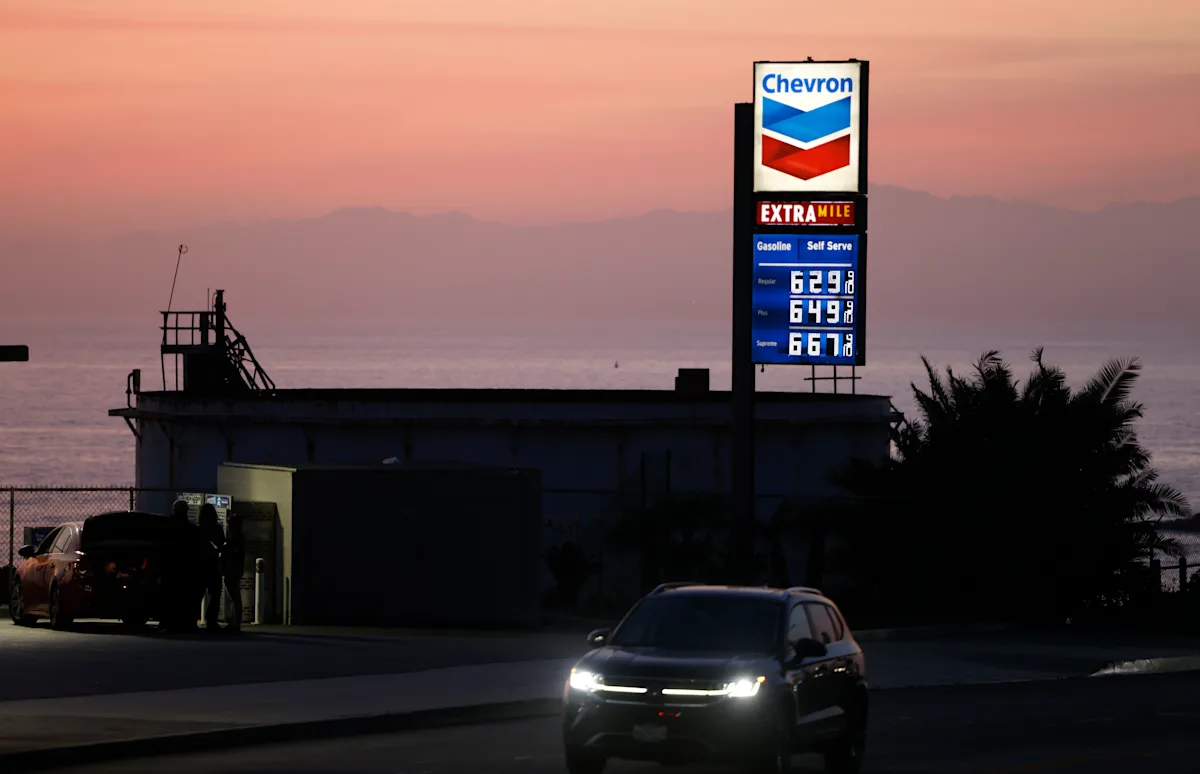
I need help understanding US consumers.
Maybe I am increasingly out of touch because I can now afford a decent piece of steak versus the cheap London broil and boiled hot dogs that dominated my life from ages 5 to 25. Maybe because I spend any given week speaking to 976 CEOs and have been sucked into their reality of bottomless bank accounts.
But I don’t think I am out of touch. In my head, I’m still the same starving 17-year-old golf caddy who slept in his car at the course a couple times a week just to catch the earliest “loop” in the hope of earning $40 in cash five hours later.
But hey, maybe I’m deluding myself into thinking I am still that person.
I bring this up as I am 100% confused by how Americans are reacting to $4 gas, higher energy bills, and all of this being passed onto them in other forms like delivery surcharges and fatter fast food checks.
The reads on the consumer have been all over the map!
The latest University of Michigan Consumer Sentiment Index showed that US consumer confidence this month has plummeted to a record low of 47.6.
This represents a staggering 11% plunge from March and is the lowest reading in the survey’s 74-year history. It even fell below the levels seen during the 2008 financial crisis and the 1980s inflationary shock. The decline was broad-based across all age groups, income levels, and political parties.
Dour consumer moods reflected the spike in gas prices related to the Iran war. Year-ahead inflation expectations increased to 4.8%, the largest one-month jump in a year.
Goldman strategist Ronnie Walker came out this week with a warning on the consumer.
“What originally appeared to be a solid year for consumer spending has quickly become more challenging. … We expect weak real consumption growth over the coming months,” Walker said.
He added, “Gasoline prices have increased by nearly 40% since the war began, representing a roughly $140 billion annualized headwind to household incomes at current levels.” The firm’s strategist estimates that if Brent crude oil (BZ=F) returns to $80 per barrel by year-end, this headwind would shrink to $60 billion annualized by the end of 2026.
“Higher gasoline prices disproportionately weigh on the spending of households in the lowest income quintile — who spend roughly four times as much on gasoline as a share of after-tax income compared with those in the top quintile — and spending on discretionary categories, such as restaurants,” he said.
Everything Walker said sure does make sense to me!