dailynewsnblog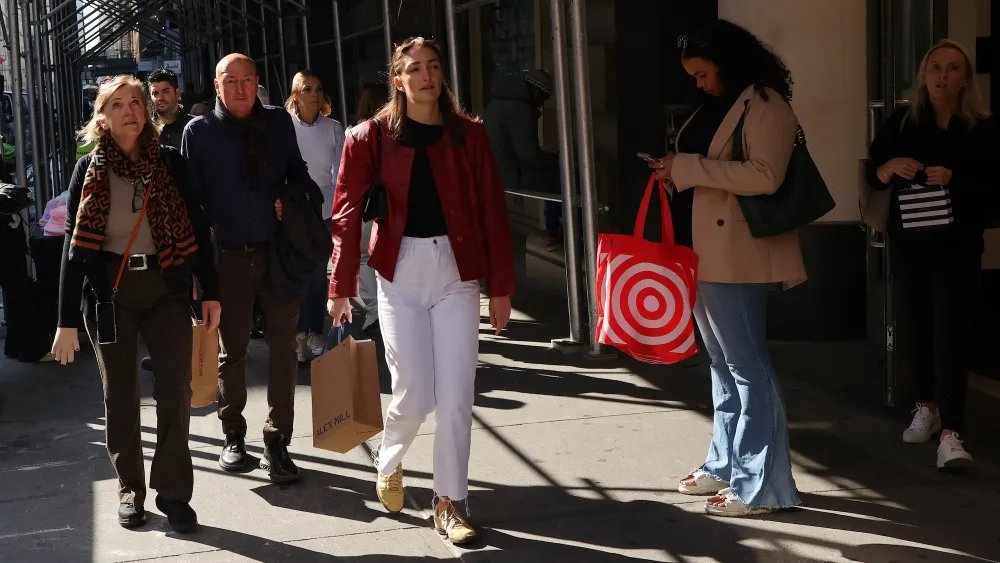
Are consumers still shopping with sustainability top of mind?
Since the 1970s, consumers have become increasingly aware of fashion’s environmental and social impact, sparking broader conversations around sustainability. From grassroots efforts led by environmental organizations to fashion brands investing in global marketing campaigns and activations to share their sustainable missions, concerns about sustainability have been an undercurrent in fashion for decades.
That awareness accelerated in 2010 following the collapse of the Rana Plaza factory in Bangladesh, which exposed the exploitative nature of global supply chains and intensified calls for more ethical and sustainable practices. It peaked again during the Covid-19 pandemic—a time when demand for new fashion slowed and consumers re-evaluated their closets and re-considered their shopping habits.
Fast-forward to today, and sustainable shopping has evolved from a “niche preference” into a key driver of consumer behavior, even amid economic pressures, according to social fintech company Plastic Bank. In fact, more than 80 percent of global consumers say sustainability influences their purchasing decisions, with many willing to pay a premium for eco-friendly products.
That shift is especially pronounced among younger consumers.
According to a recent report by Capital One, Gen Z is the most likely age group to prioritize eco-friendly products while millennials are 16.4 percent more likely to make purchasing decisions based on sustainability over brand name. Gen X consumers, on the other hand, are 10.6 percent more likely to prioritize sustainability, and baby boomers are expected to account for 6 percent of the eco-friendly fashion market by 2027.
“Gen Z and millennials think about sustainability more broadly than previous generations, looking beyond recycled materials or eco-friendly products to consider how things are made and the overall impact of the retail experience,” Melissa Gonzalez, retail strategist and principal at MG2, told Sourcing Journal. “For them, sustainability extends into store design, operations and the brand footprint, driving expectations for visible and meaningful commitments across every part of the shopping environment.”
To get a clearer picture of real consumer attitudes toward sustainability—and how it factors into everyday clothing purchases—Sourcing Journal interviewed shoppers across different locations, age groups and backgrounds to better understand how much sustainability influences their decisions, and how well they understand the topic.
The interviews revealed social media’s massive influence and the generational gaps in consumers’ perception of sustainability.
Name: Arusha Rai
Age: 24
Location: New York, NY
Which brands or retailers do you shop most often?
Arusha Rai: I usually shop at brands like Meshki, Reformation and Zara.
What does sustainable fashion mean to you?
AR: To me, sustainable fashion means being more mindful about what I buy. Honestly, I really try to rewear outfits and avoid overconsuming fast fashion when I can.
How do you typically learn about sustainable fashion? Which sources do you trust the most?
AR: I mostly learn about sustainable fashion through social media and fashion newsletters.
Have you ever chosen to shop with or avoid a brand based on its environmental impact?
AR: I avoid brands like H&M because of both their environmental and social impact.
Do you trust brands’ sustainability claims?
AR: I don’t fully trust sustainability claims, so I usually look into brands myself. Especially fast fashion brands that position themselves as sustainable.
Which brands do you consider to be sustainable?
AR: I would say Reformation is one brand I see as more sustainable compared to others.
What matters more to you: a brand’s stance on environmental issues or its stance on social issues?
AR: Both environmental and social issues matter equally to me when I’m deciding where to shop.
Name: Brayden Boggs
Age: 19
Location: Texas
SJ Denim: Which brands or retailers do you shop most often?
Brayden Boggs: Some brands I like to shop at are American Eagle and Free People.
What does sustainable fashion mean to you?
BB: Sustainable fashion to me is an article of clothing that is somewhat ethically sourced using eco-friendly materials, and something that can be worn for years and years.
How do you typically learn about sustainable fashion? Which sources do you trust the most?
BB: I mostly rely on social media and brands themselves to learn about sustainable fashion and where to find it.
Have you ever chosen to shop with or avoid a brand based on its environmental impact?
BB: I have avoided brands like Shein, Temu and H&M due to their environmental impact.
Do you trust brands’ sustainability claims?
BB: It really depends on the brand’s history. Like, if they’re known for being honest about their sustainability claims, I know I can trust them. But if a brand that has lied in the past starts making claims, it’s hard for me to trust them.
Which brands do you consider to be sustainable?
BB: I feel like I don’t really know of any brands that are sustainable and not fast fashion. This is because the mass of unsustainable brands outweighs sustainable ones. I did a little research on sustainable brands before, and all the ones that came up I had never heard of.
What matters more to you: a brand’s stance on environmental issues or its stance on social issues?
BB: Honestly, as much as I would like to say I prefer where a brand stands environmentally, because of all that’s happening in the world today, I definitely think where a brand stands on social issues is what matters most to me today.
Name: Daniela Reyes
Age: 26
Location: New York, NY
SJ Denim: Which brands or retailers do you shop most often?
Daniela Reyes: If it’s not a secondhand shop or website like Depop, usually Urban Outfitters, Uniqlo and Levi’s.
What does sustainable fashion mean to you?
DR: Sustainable fashion to me is about focusing on the quality of clothes while also considering the long-term environmental impact of making them.
How do you typically learn about sustainable fashion? Which sources do you trust the most?
DR: I learn mostly through social media and friends. I then try to do my own research on the side as well.
Have you ever chosen to shop with or avoid a brand based on its environmental impact?
DR: Oh yes, of course. I’m super anti-Shein.
Do you trust brands’ sustainability claims?
DR: To a certain extent. I think that’s where my own research comes in. I worry that companies may claim to be sustainable just to sound more appealing for sales, so you have to fact-check.
Which brands do you consider to be sustainable?
DR: Adidas, Levi’s and Chnge.
What matters more to you: a brand’s stance on environmental issues or its stance on social issues?
DR: This is tough, but I think the company’s stance on social issues is more important to me.
Name: John Dillon
Age: 23
Location: New York, NY
SJ Denim: Which brands or retailers do you shop most often?
John Dillon: My go-to clothing brand is definitely Uniqlo. I love the range of colors, the quality and how versatile the pieces are. I feel like if most of my wardrobe is Uniqlo, I don’t really have to worry about what to wear. I also shop at Target for basics like underwear and pajamas, and I get things like gym wear there too. I also thrift a lot, especially because I used to work at a thrift store, so I’m pretty in tune with secondhand shopping.
What does sustainable fashion mean to you?
JD: It means avoiding fast fashion, both as an individual responsibility and a corporate one. On an individual level, that means owning fewer clothes, rewearing what you have more and not following micro-trends. I try to focus more on styling pieces differently, like dressing something up or down, and building a more personal style. From a corporate perspective, it means using good-quality materials so clothes last longer, even if that means higher prices. It also means using responsible production practices, like avoiding harmful dyes and not relying on cheap or exploitative labor.
How do you typically learn about sustainable fashion? Which sources do you trust the most?
JD: I mostly learn about it through my public health degree. Outside of that, I’ll come across things through mainstream media, like news coverage or documentaries about environmental harm caused by fast fashion, like pollution from dyes, textile waste or labor practices in lower- and middle-income countries.
Have you ever chosen to shop with or avoid a brand based on its environmental impact?
JD: No, I haven’t.
Do you trust brands’ sustainability claims?
JD: Not really, because I don’t think the industry can self-regulate. I think change needs to be imposed by the government and supported by consumers.
Which brands do you consider to be sustainable?
JD: None really comes to mind. I’m not very into specific brands, but if I see something like bamboo, I tend to associate that with sustainability.
What matters more to you: a brand’s stance on environmental issues or its stance on social issues?
JD: I think they go hand in hand. You can’t take a stance on social issues and still rely on harmful labor practices, and environmental harm often affects the most vulnerable people. If I had to choose, I would probably say environmental issues, but ideally, brands should be addressing both.
Name: Mitchell Allison
Age: 31
Location: Brooklyn, NY
SJ Denim: Which brands or retailers do you shop most often?
Mitchell Allison: Most of what I buy now is secondhand, so I don’t shop from retailers as often. When I do, though, I’m pretty selective about the brands I buy from.
What does sustainable fashion mean to you?
MA: Clothing that isn’t made from plastic and is built to last a long time. I also think about brands that offer repair services for their clothing, as well as buying secondhand.
How do you typically learn about sustainable fashion? Which sources do you trust the most?
MA: I read the news pretty much every day, so if something about sustainable fashion comes up, I’ll read about it there. I also see information on social media, but I take that with a grain of salt. I trust news sources more than social media.
Have you ever chosen to shop with or avoid a brand based on its environmental impact?
MA: Yes, absolutely. I would say about 90 percent of what I buy is secondhand. As I said, when I do buy directly from a retailer, I’m very strict about the companies I choose. I avoid major fast fashion brands like H&M and Zara.
Do you trust brands’ sustainability claims?
MA: No, I don’t. I think they lie about a lot of it, and at the end of the day, it’s just advertising.
Which brands do you consider to be sustainable?
MA: I don’t really feel like I have enough information [about sustainable brands] to say.
What matters more to you: a brand’s stance on environmental issues or its stance on social issues?
MA: Neither. I care more about what brands actually do than what they say, because their stance can change depending on the situation.
Name: Maribel Pagan
Age: 60
Location: New Jersey
SJ Denim: Which brands or retailers do you shop most often?
Maribel Pagan: I like to buy from On because they’re comfortable.
What does sustainable fashion mean to you?
MP: Sustainable fashion is something that people are using and that’s popular at the moment.
How do you typically learn about sustainable fashion? Which sources do you trust the most?
MP: I mostly hear about it from my grandkids.
Have you ever chosen to shop with or avoid a brand based on its environmental impact?
MP: No.
Do you trust brands’ sustainability claims?
MP: No.
Which brands do you consider to be sustainable?
MP: Louis Vuitton.
What matters more to you: a brand’s stance on environmental issues or its stance on social issues?
MP: I would say environmental issues. I like brands that help protect the environment.