dailynewsnblog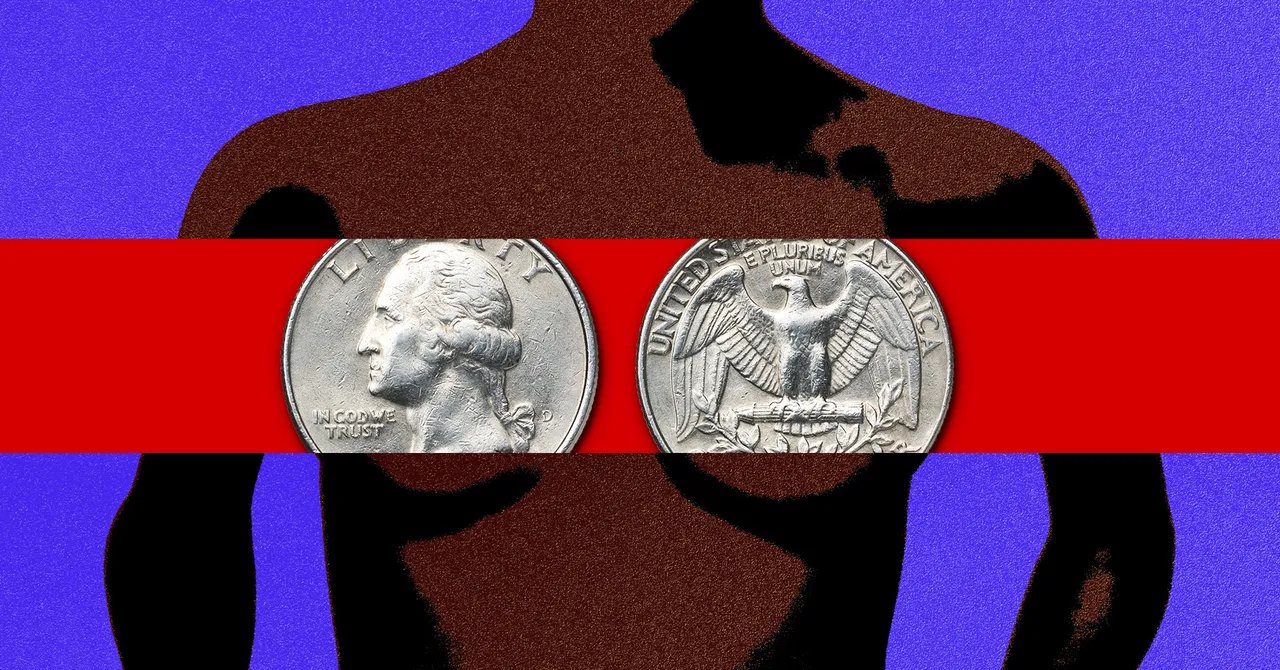
As age-verification laws continue to dismantle the adult industry—and determine the future of free speech on the internet—a Utah lawmaker proposed a bill this week that would enforce a tax on porn sites that operate within the state.
Introduced by state senator Calvin Musselman, a Republican, the bill would impose a 7 percent tax on total receipts “from sales, distributions, memberships, subscriptions, performances, and content amounting to material harmful to minors that is produced, sold, filmed, generated, or otherwise based” in Utah. If passed, the bill would go into effect in May and would also require adult sites to pay a $500 annual fee to the State Tax Commission. Per the legislation, the money made from the tax will be used by Utah’s Department of Health and Human Services to provide more mental health support for teens.
Musselman did not respond to a request for comment.
A new age of American conservatism commands the political arena, and more US lawmakers are calling for additional restrictions on adult content. In September, Alabama became the first state to impose a porn tax on adult entertainment companies (10 percent) following the passage of age-verification mandates, which require users to upload an ID or other personal documentation to verify that they are not a minor before viewing sexually explicit content. Pennsylvania lawmakers are also eyeing a bill that would tax consumers an additional 10 percent on “subscriptions to and one-time purchases from online adult content platforms,” despite already requiring them to pay a 6 percent sales and use tax for the purchase of digital products, two state senators wrote in a memo in October. Other states have flirted with the idea of a porn tax in the past. In 2019, Arizona state senator Gail Griffin, a Republican, proposed taxing adult content distributors to help fund the border wall, a key priority during Donald Trump’s first presidential term. So far, 25 US states have passed a form of age verification.
Although efforts to criminalize participants in the sex work industry have been ongoing for years—with new regulations unfolding at a moment of heightened online surveillance and censorship—targeted taxes have failed to gain widespread approval because the legality around such laws are up for debate.
“This kind of porn tax is blatantly unconstitutional,” says Evelyn Douek, an associate professor of law at Stanford Law School. “It singles out a particular type of protected speech for disfavored treatment, purely because the legislature doesn’t like it—that’s exactly what the First Amendment is designed to protect against. Utah may not like porn, but as the Supreme Court affirmed only last year, adults have a fully protected right to access it.”
Utah, Alabama, and Pennsylvania are among the 16 states that have adopted resolutions declaring porn a public health crisis. “We realize this is a bold assertion not everyone will agree on, but it’s the full-fledged truth,” Utah governor Gary Herbert tweeted in 2016 after signing the resolution. One of Utah’s earliest statewide responses to the proliferation of adult content happened in 2001, when it became the first state to create an office for sexually explicit issues by hiring an obscenity and pornography complaints ombudsman. The position—dubbed the “porn czar”—was terminated in 2017.
“Age restriction is a very complex subject that brings with it data privacy concerns and the potential for uneven and inconsistent application for different digital platforms,” Alex Kekesi, vice president of brand and community at Pornhub, told WIRED in a previous conversation. In November, the company urged Google, Microsoft, and Apple to enact device-based verification in their app stores and across their operating systems. “We have seen several states and countries try to impose platform-level age verification requirements, and they have all failed to adequately protect children.” To comply with the new age gate mandates, Pornhub has currently blocked access to users in 23 states.