dailynewsnblog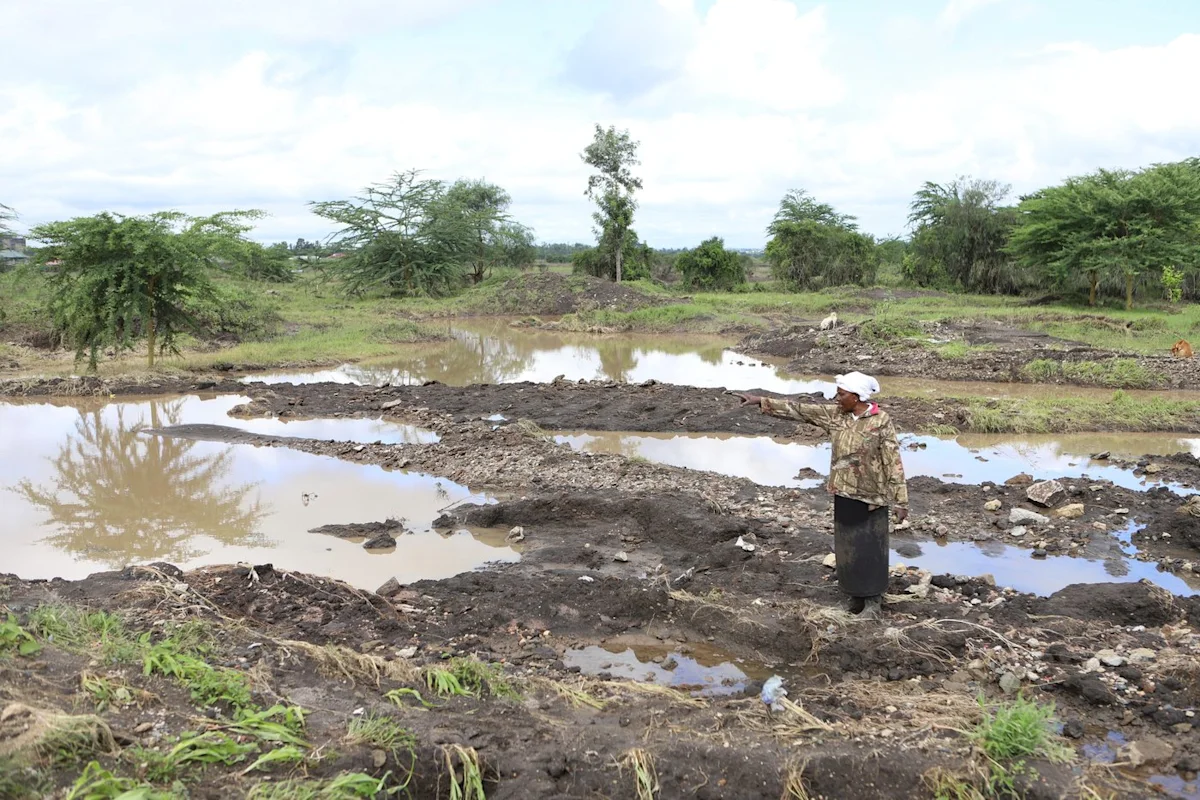
ROME (AP) — Conflicts and disruptions to global energy markets could push millions more people into hunger by driving up fuel, fertilizer and food costs, the head of the Rome-based International Fund for Agricultural Development warned, as a new United Nations report showed global progress against hunger remains fragile.
The U.N. food security report, released Tuesday, found global hunger has eased modestly in recent years, but projected more than 500 million people could still face chronic hunger by 2030. Africa is expected to bear the largest share of that burden.
In an interview with The Associated Press on July 10, IFAD President Alvaro Lario said geopolitical tensions and potential disruptions to shipping and energy supplies, including uncertainty surrounding the Strait of Hormuz during the Iran war, could leave an additional 9-18 million people facing hunger if the shocks persist.
“We are in a current era where we have the highest number of conflicts and are still increasing,” Lario said. “Whenever there is a conflict, also hunger, displacement, refugees increase.”
Conflict fuels food insecurity
Conflict remains one of the biggest obstacles to reducing hunger worldwide, Lario added.
Wars and geopolitical tensions can disrupt shipping, energy supplies and agricultural inputs, increasing costs across food systems already strained by inflation. Lario stressed that hunger and conflict often reinforce one another, creating a cycle that is difficult to break without greater stability.
Higher energy prices are already affecting fertilizers and agricultural production, he said. The impact is especially significant for small-scale farmers, many of whom rely on diesel fuel to pump water, harvest crops and transport goods to market.
Rising fuel costs increase production expenses and can feed directly into higher food prices.
Climate shocks add pressure
The new report identifies affordability as one of the world’s biggest food security challenges. While food production continues to grow, roughly a third of the global population still can’t afford a healthy diet. In low-income countries, that figure rises to about 77%, according to Lario.
“The biggest challenge is no longer simply producing enough food, but making healthy diets affordable,” he said.
Climate change is adding further pressure to food systems and rural livelihoods.
Lario noted that floods, prolonged droughts and extreme heat are increasingly disrupting agriculture around the world and have become a common reality for many communities.