dailynewsnblog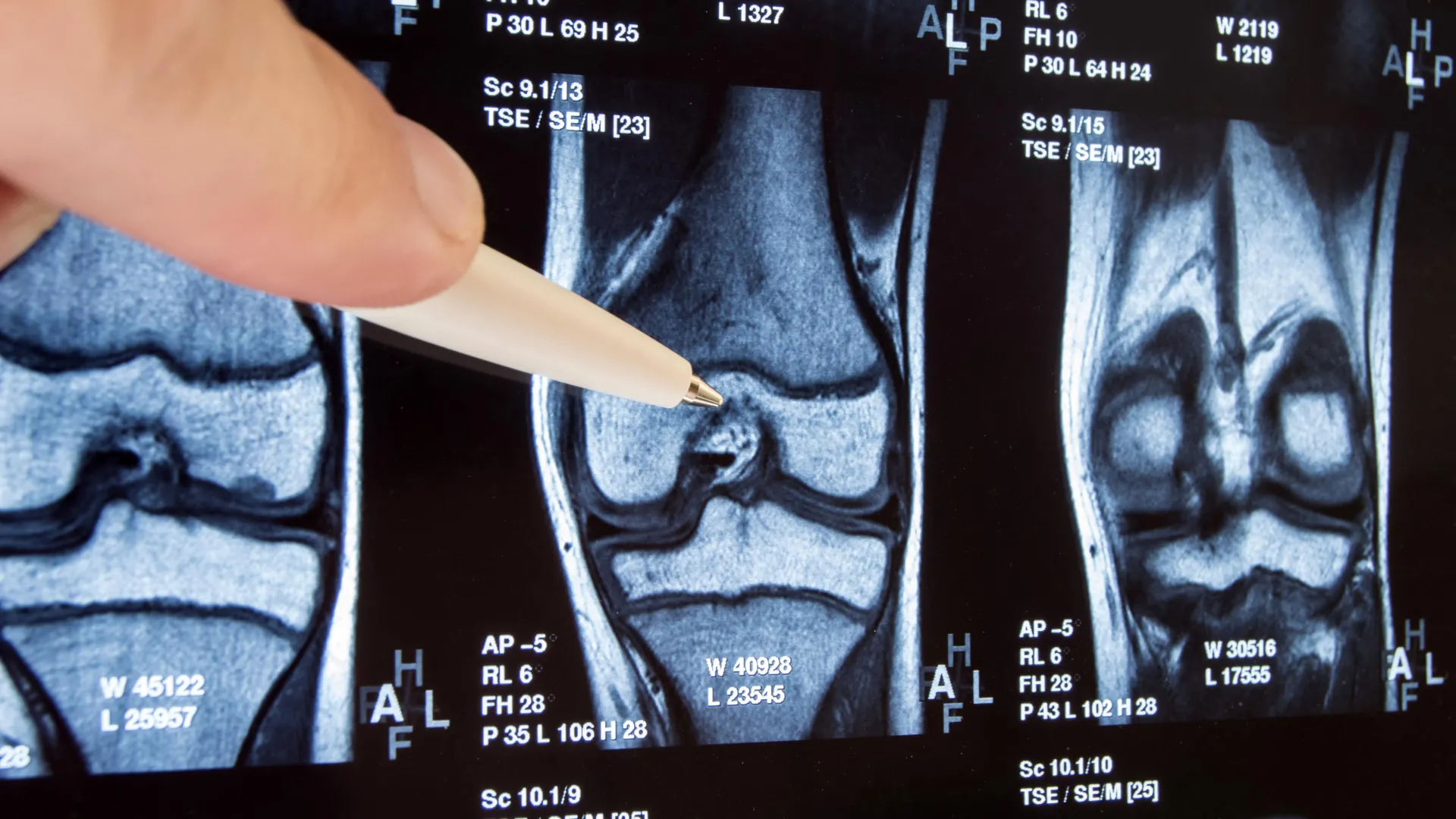
A widely performed knee procedure known as partial meniscectomy may not deliver the benefits many patients expect. A major study with a 10-year follow-up has found that trimming a damaged meniscus does not improve symptoms or knee function when compared to a placebo procedure.
Partial meniscectomy is one of the most common orthopedic surgeries worldwide. While its use has declined in Finland in recent years, it remains a routine treatment in many countries.
10-Year Study Finds Worse Outcomes After Surgery
The long-term results paint a concerning picture. Patients who underwent partial meniscectomy did not experience better outcomes than those who had sham surgery. In fact, they tended to do worse.
After a decade, these patients reported more knee symptoms and poorer function. They also showed greater progression of osteoarthritis and were more likely to need additional knee surgery compared to those who did not receive the actual procedure.
Unique Trial Design Strengthens Findings
The Finnish Degenerative Meniscal Lesion Study (FIDELITY) stands out for its rigorous design. It included a sham surgery control group, allowing researchers to directly compare outcomes against a placebo procedure. Participants with degenerative meniscal tears were randomly assigned to receive either partial meniscectomy or sham surgery, and their progress was tracked for 10 years.
Teppo Järvinen, Professor at the University of Helsinki and the principal investigator of the FIDELITY emphasizes the broader significance of the results:
“Our findings suggest that this may be an example of what is known as a medical reversal, where broadly used therapy proves ineffective or even harmful.”
Rethinking the Cause of Knee Pain
The surgery has long been based on the idea that knee pain, especially on the inner side, is caused by a meniscus tear that can be fixed surgically. However, this assumption may not hold up.
“The surgery is based on the assumption that pain in the inside of the knee is caused by a medial meniscus tear, which can be treated surgically. Such reasoning — assumption based on biological credibility — is still very common in medicine but in this case, the assumption does not withstand critical examination. Based on current understanding, pain in various joints, such as the knee joint in this case, is related to degeneration brought about by aging,” says Raine Sihvonen, Specialist in Orthopaedics and Traumatology and the other principal investigator of the FIDELITY study.
Concerns About Risks and Long-Term Harm
Earlier registry and observational studies have already raised red flags about potential downsides of this surgery. These include a higher likelihood of arthroplasty, or joint replacement surgery, and a possible increase in complications after the procedure. However, observational data alone cannot prove cause and effect.
“Several randomized studies have already demonstrated that partial meniscectomy has not improved patients’ symptoms or function in the short (1-2 years) or medium (5 years) term. Regardless, the procedure has remained widely used in many countries,” says Doctoral Researcher and Specialist in Orthopaedics and Traumatology, Dr. Roope Kalske.
Why the Procedure Is Still Widely Used
Despite mounting evidence, changing clinical practice has been slow.
“For nearly a decade, many independent, non-orthopedic organizations providing clinical guidelines have recommended that the procedure should be discontinued. Still, for example, the American Academy of Orthopedic Surgeons (AAOS) and the British Association for Surgery of the Knee (BASK) have continued to endorse the surgery.
“This effectively illustrates how difficult it is to give up inefficient therapies,” Järvinen sums up.
Strong Collaboration Behind the Study
The research was carried out across five hospitals, highlighting strong collaboration and patient commitment. Of the original 146 participants, more than 90% completed the final follow-up phase.
“The study conducted in five hospitals is an example of smooth multicenter collaboration, as well as the commitment of research patients to an interesting project. Of the original 146 participants, more than 90% took part in the final stage of the study,” says the research manager Pirjo Toivonen.
The Finnish Degenerative Meniscal Lesion Study FIDELITY) is part of the broader work of the FICEBO research group in assessing the impact of surgical therapies. The project is a collaboration between the university hospitals of Helsinki, Kuopio and Turku, Hatanpää Hospital in Tampere, Hospital Nova in Jyväskylä and the Finnish Institute for Health and Welfare.