dailynewsnblog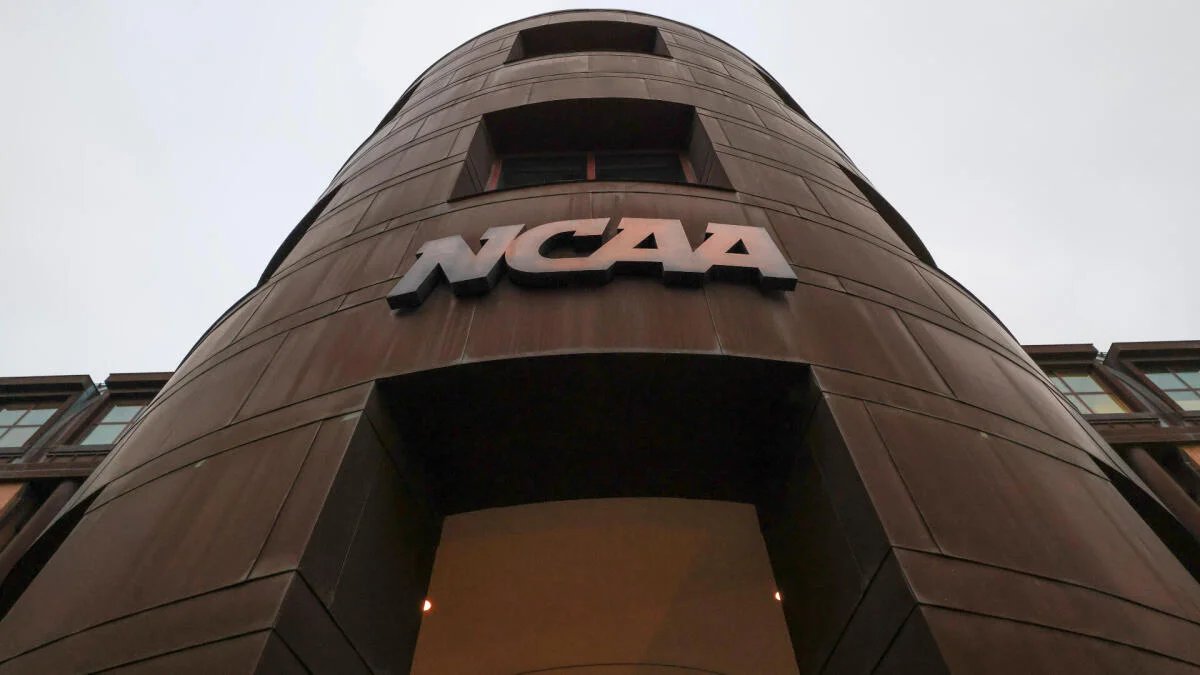
The floodgates could be opening in college sports after Judge Charlotte Sweeney of the U.S. District Court of Colorado granted a class-wide preliminary injunction on Friday requiring the NCAA to declare athletes from the high school class of 2022. That means athletes who exhausted four seasons of eligibility this spring — and thought their college career ended — would be eligible for the upcoming season.
The ruling opens the transfer portal starting on Aug. 3, with it closing one week later.
“All persons in the United States who began to play in collegiate sports in the 2022-2023 season, competed in NCAA Division I sports, and completed four years of eligibility as defined by the NCAA’s prior rules by the conclusion of the 2025-2026 season, and are therefore barred from playing a fifth season due to the NCAA’s adoption and immediate implementation of the Five-Year Eligibility Rule,” the class certification read.
The injunction comes on the heels of the new five-for-five eligibility model set to rock college athletics this academic year, which would give athletes across all sports five years to play five seasons. Before the injunction was granted in Colorado, there were a handful of cases nationwide that would give athletes an extra year of eligibility.
How legal challenges by college basketball players could lead to 11th hour transfer portal chaos
David Cobb
Earlier this month, a state court judge in Ohio opened the door for 15 men’s basketball players — including Xavier forward Filip Borovicanin and Cincinnati guard MJ Collins — to play during the 2026-27 campaign.
In California, former UCLA guard Donova Dent and Texas guard Jordan Pope are among several notable names in an age-based eligibility lawsuit against the NCAA to play another season.
NCAA president Charlie Baker blasted the ruling in a statement released shortly after the ruling.
No guarantee players return to college
If everyone who exhausted their eligibility this spring suddenly becomes available, it would create chaos. For starters, most teams have already built out their rosters for the 2026-27 season and budgeted as such. Adding a high-profile name who suddenly becomes available won’t be feasible for every high-major program.
Of course, there are exceptions because teams still have needs. For example, Gonzaga lost guard Mario Saint-Supéry after he elected to return to Spain to play for Valencia Basket. Arizona has one of the best rosters on paper of any team in the country, led by projected top-five pick Caleb Holt and returners Motiejus Krivas and Ivan Kharchenkov. However, the Wildcats would benefit from adding another forward to the roster.
The other complicated factor in all of this is how many of the big-name (previous) seniors want to return to play college basketball? Most, if not all, of those names who were drafted — or went undrafted in last month’s NBA Draft — played in summer league. Several players signed a standard contract, a two-way deal, or an Exhibit 10 contract, which is basically an invite to training camp.
The 2027 high school recruiting class will get ‘screwed’ by the NCAA’s new five-for-five eligibility rule
Gary Parrish

Despite those players getting drafted or even participating in summer league, there could be a precedent set that would allow a return. One of the biggest stories of last college basketball season came off the court when Baylor added former second-round pick James Nnaji to the roster before the start of Big 12 play.
Earlier this calendar year, Alabama added former big man Charles Bediako to the roster during SEC play despite playing in the NBA’s G League with the Austin Spurs, Grand Rapids Gold and the Motor City Cruise. He appeared in two games with Alabama before he was ruled ineligible.
The impact the ruling will have will mean coaches have to reevaluate their rosters with just months before the college basketball season.
Who could return for a fifth season?
There are several names to keep an eye on in the coming weeks who could hypothetically make a return to college basketball. Some of the most notable names include Dent, former NC State forward Darrion Williams and Iowa State guard Tamin Lipsey.
Former Purdue guard Braden Smith, who exited as the NCAA’s all-time assist leader, would hypothetically become eligible too. However, after signing a two-way deal with the Indiana Pacers, it’s hard to see him making the jump back to college. The same can be said about Ohio State guard Bruce Thornton, who was selected with the No. 31 pick in the draft and was handed a standard contract instead of a two-way deal.
Another name to know is Florida guard Denzel Aberdeen. After playing his first three seasons with the Gators, he transferred to Kentucky last offseason before transferring back to Florida earlier this spring. Florida is projected to open the season as the preseason No. 1-ranked team, so having someone like him return to the lineup would be a massive boost as the program chases its second national title in three years.
If this injunction sticks, it would be a landmark ruling for college athletes. However, it’s also extremely likely that the NCAA will appeal, which would make this discussion a moot point.