dailynewsnblog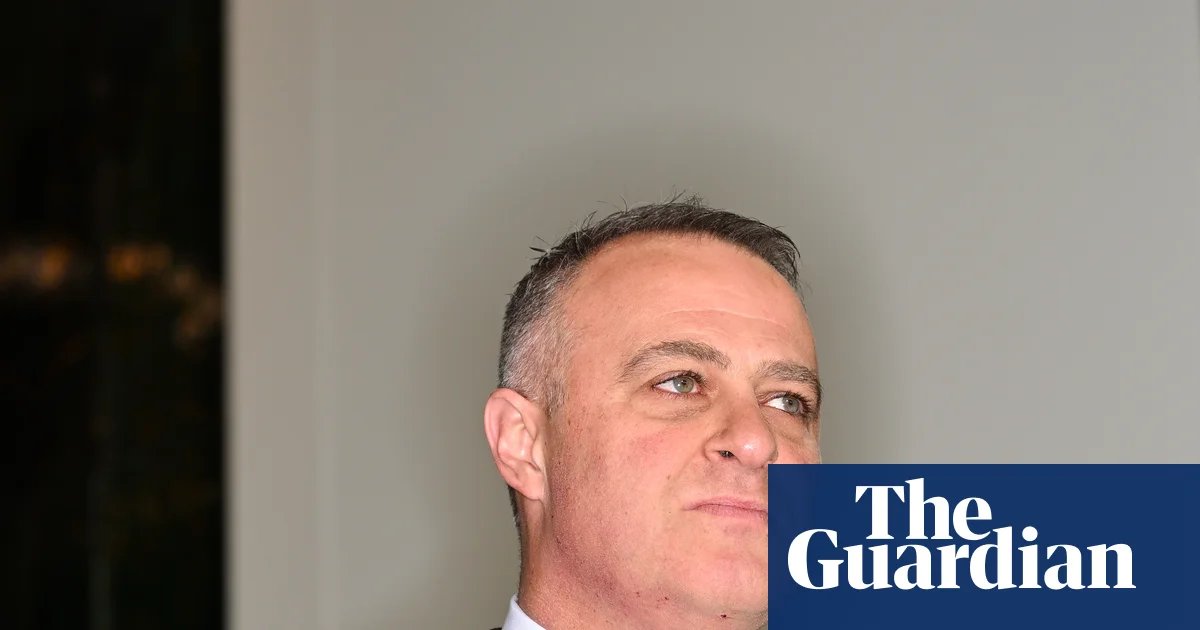
The Coalition has vowed to repeal Labor’s proposed changes to negative gearing and capital gains tax if they win power, setting up a major fight before the next election over key tax reform measures from the budget.
The shadow treasurer, Tim Wilson, and the opposition leader, Angus Taylor, said a future Coalition government would reinstate more generous rules for property investors, as well as for Australians minimising their tax through trusts, pledging to fight the proposals in parliament in coming weeks.
Taylor said the Coalition would only support a new $250 tax offset for workers, and new hospitals funding announced on Tuesday night.
“Absolutely, our position is we’re going to do everything we can to stop these bad taxes, toxic taxes, from getting through the parliament,” he told Sky on Wednesday.
“We’ll do whatever it takes to roll these taxes back.”
The Coalition’s repeal plan would leave the budget about $70bn worse off, requiring additional savings or revenue measures to fix the shortfall.
The treasurer, Jim Chalmers, used Tuesday night’s budget to break Labor’s election promises on tax reform, announcing an end to negative gearing for new investment properties and scaling back the 50% capital gains tax discount.
Investment properties bought after Tuesday night will no longer be able to be negatively geared, while the CGT discount will be replaced by 1 July 2027.
Wilson said the Coalition would seek to defeat the changes for property investors, adding: “We’ll repeal these measures if necessary.
“But when it comes down to the measures of broken trust built on bad faith that this government is putting forward, which is going to kneecap young Australians, then let’s be very clear about just how bad it is.”
The next election, due by mid-2028, will coincide with the full suite of changes coming into force.
Taylor initially left open the question of repealing the changes on negative gearing and capital gains tax, telling the ABC on Wednesday morning: “Let’s see.
“Let’s see, because if you take their small business taxation, for instance, they’re saying they’re going to do a review because they realise there’s a whole lot of criticism they’ve had.
“They’re going to do a review of their own capital gains tax measures, again a huge amount of criticism around investors, particularly small business and growth investors.
“So we don’t even know what final form this is going to come in. What I do know is we are dead opposed to those increases and we’ll fight them.”
The Greens leader, Larissa Waters, said her party will drive a hard bargain with Labor before committing to pass the measures through parliament, demanding more detail from the government.
She told Guardian Australia the changes for property investment were little more than “tinkering around the edges” and as much as 95% of the benefits of the existing rules would remain.
Asked if the Greens would hold up progress of the budget appropriation bills, Waters said the party needed more detail on major provisions.
“I think the government had a choice in who they work for, who they were going to deliver for. They’ve chosen the big corporations and the 1%, they haven’t chosen people,” she said.
She called for the $250 tax offset – dubbed by the government the “working Australians tax offset” – to be given to about 4 million low-income earners and welfare recipients whose income is below the tax-free threshold.
The prime minister, Anthony Albanese, ruled out extending the payment, due to come into force from the end of next financial year.
He said the offset was designed to “benefit people who actually work”.
“If they fall below the tax-free threshold, they literally are not paying tax, by definition. So it’s pretty hard to provide tax cuts to people who don’t pay tax.”