dailynewsnblog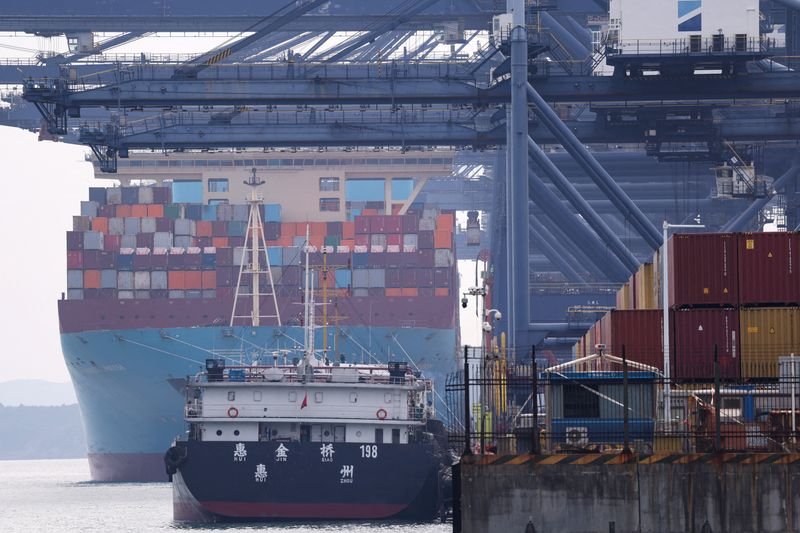
By Sophie Yu, Helen Reid and Alessandro Parodi
BEIJING/LONDON, June 8 (Reuters) – China’s e-commerce export engine is faltering as surging jet fuel costs and weak demand from lower-income consumers in the West linked to the Iran war threaten profits for big online platforms like Temu, Shein and AliExpress.
The business models, based on flying $5 dresses from Chinese factories to shoppers around the world, were already under pressure after U.S. President Donald Trump introduced tariffs and axed customs waivers on low-value parcels last year.
Soaring logistics costs stemming from the Middle East conflict are adding to the strain, data shows and industry insiders say, with shippers like DHL Express imposing hefty fuel surcharges.
China’s low-cost e-commerce exports, which have surged over the past six years, fell 10.9% in April to $9.81 billion, the fifth consecutive month of declines compared to a year ago, according to an analysis of Chinese customs data by Luxembourg-based consultancy Trade and Transport Group.
PASSING ON COSTS TO CONSUMERS
Diana Qiao, a Shenzhen-based seller of women’s clothing on Temu, said she had raised her selling prices by $2 because her shipping cost per garment had increased on average by $1.
“The final burden is ultimately borne by consumers,” said Qiao, adding that the increase was needed to protect her profit margins, and sales have declined slightly but she does not so far see a need to change her shipping arrangements.
Falling export values are an indication not just of the cost squeeze, but also that the era of hyper-growth for the large low-cost shopping platforms may be over, analysts and industry insiders say.
They are likely moving more products in bulk into warehouses to dispatch locally rather than flying everything direct from China, said Frederic Horst, Trade and Transport Group’s managing director.
“It would make sense given the air freight cost relative to the value of the product,” he said. “If you’re buying a top that is 300-400 grams you’re getting to the stage where air freight is 60% of the cost.”
Shein has been expanding its warehouse capacity in Europe, last month opening its third warehouse in Cannock, near Birmingham in Britain.
A spokesperson at AliExpress owner Alibaba told Reuters it remained focused on “maintaining value-for-money pricing for consumers and providing a stable environment for sellers and consumers despite the volatility in global transportation costs”.
Shein and Temu did not respond to questions about the effect of air freight costs on their businesses.