dailynewsnblog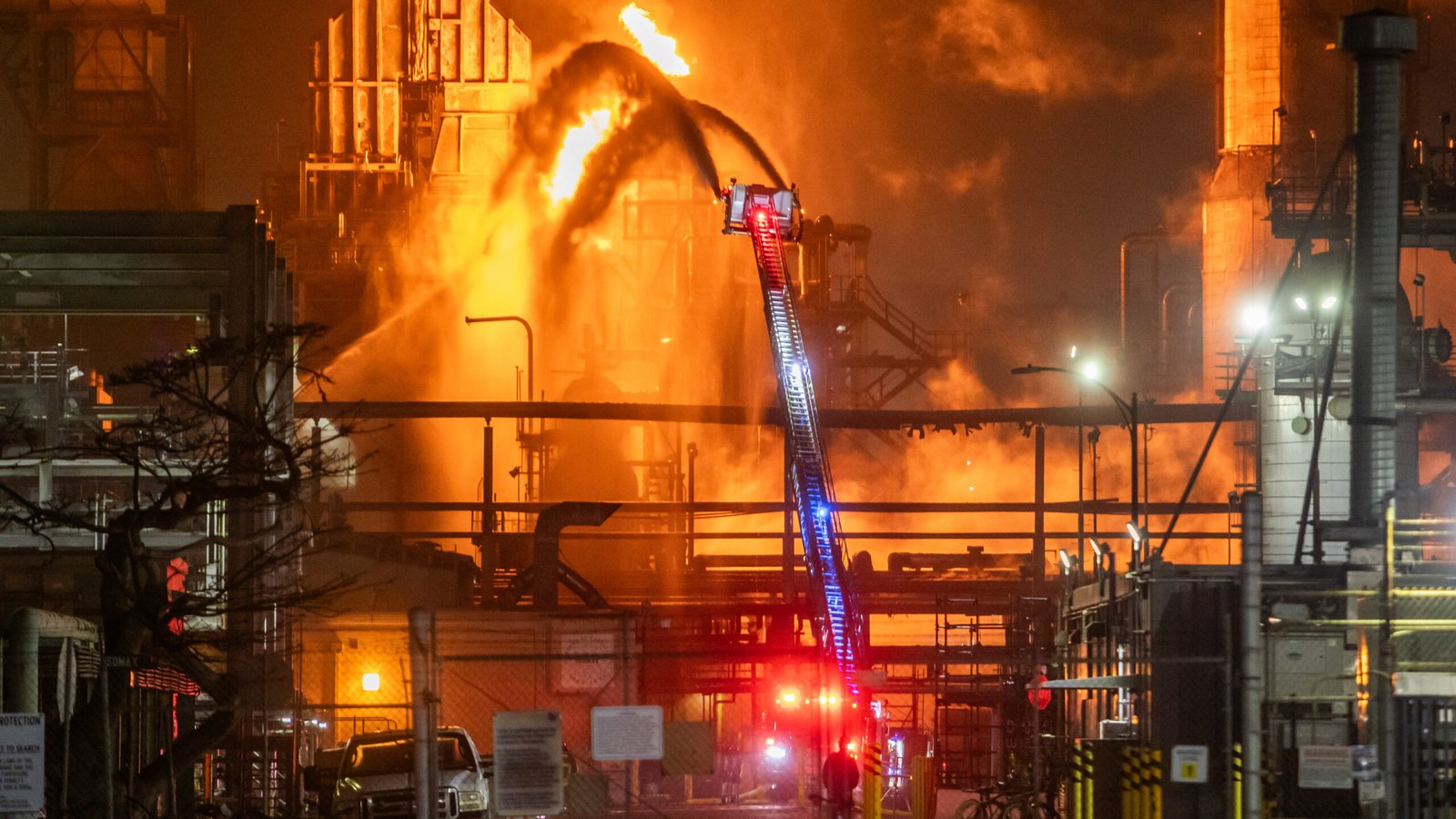
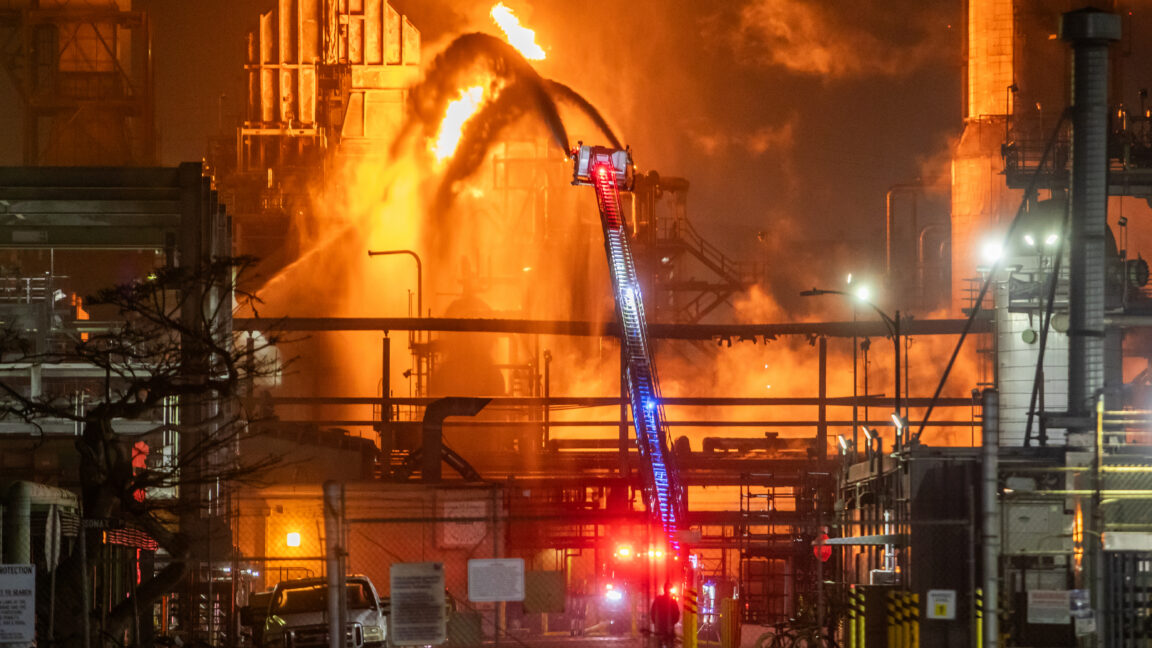
The new statistics released by PEER were made public as a result of a lawsuit PEER and other groups filed to compel the Chemical Safety Board to disclose industrial chemical releases as required by the Clean Air Act. A federal judge ruled in 2019 that communities have a right to know what hazardous chemicals are released nearby.
Yet Trump’s EPA removed a public data tool designed to inform communities of nearby risks last year. President Trump has also tried to eliminate the Chemical Safety Board by withholding funding, though Congress has continued to fund the agency.
Earlier this year, the administration proposed to significantly weaken RMP rules finalized in 2024 “to reduce regulatory burden” and accepted public comment on the rules until early May.
The Biden administration’s strengthened RMP rules require a number of measures to reduce the risk of catastrophic accidents, including safer-alternatives analyses, independent analyses of accidents’ root causes, worker participation in accident-prevention plans and preparations to adapt to climate change.
An EPA spokesperson said the agency is reviewing public comments and continues to work toward completing the final rule in late 2026.
“EPA’s proposal relies on a rigorous analysis of RMP reportable incidents between 2014 and 2023, which shows accidental releases unequivocally declined significantly over that period,” the spokesperson said. “This means that RMP-regulated facilities had successful prevention programs in place before the Biden EPA finalized its nonsensical and burdensome 2024 rule.”
The Biden EPA used the same data and came to the opposite conclusion, said PEER’s Ruch. Plus, he added, “the conclusion that any decline is due to industry prevention plans is a supposition which the current EPA does not have the data to support.”
Meanwhile, chemical accidents resulting in evacuations, injuries, or multiple casualties continue to happen at least once a week.
“With each passing year the risk gets greater because the infrastructure continues to age,” Ruch said. At the same time, he added, “the federal response to it is shrinking.”
This article originally appeared on Inside Climate News, a nonprofit, non-partisan news organization that covers climate, energy, and the environment. Sign up for their newsletter here.