dailynewsnblog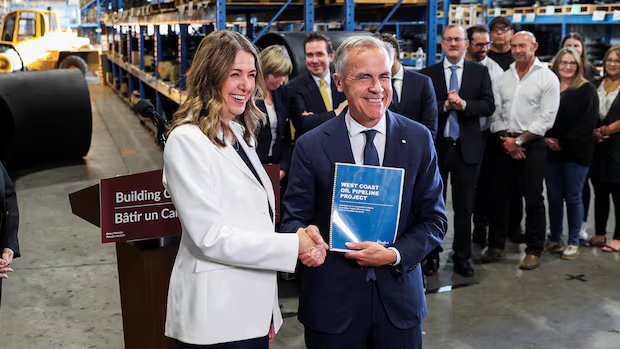
Soon after Donald Trump took office for a second time, with punishing tariffs and menacing talk of Canada as “the 51st state,” this country’s leaders began to invoke the idea of “energy sovereignty.”
It was a response to the fact that the biggest consumer of Canadian oil — the U.S. — was becoming increasingly hostile and erratic, an economic quandary that could only be managed by seeking new customers.
Shortly before Canada Day, Prime Minister Mark Carney posted a 17-minute video to YouTube explaining how this country would optimize oil production, and several days later, he stood next to Alberta Premier Danielle Smith as she announced a much-anticipated proposal to build a new pipeline to the West Coast to quench Asian demand.
But the Carney government’s interpretation of energy sovereignty seems out of step with other countries, says Amy Janzwood, an assistant professor in the department of political science and the Bieler School of the Environment at McGill University in Montreal.
“When we talk about energy sovereignty typically, it’s about control over your sources of energy … in theory, to provide some kind of guarantee for affordable energy or sustainable energy,” said Janzwood.
“‘Energy sovereignty’ has been used by countries that are reliant on imports of fossil fuels. Canada as a fossil fuel exporter is trying to mimic this language. But it means something very, very different.”
Carney’s rhetoric raises the question: Is Canada aiming to develop self-sustaining energy sources or trying to shield the economy by maximizing the sales of its most profitable resource?

Addressing an ‘energy crisis’
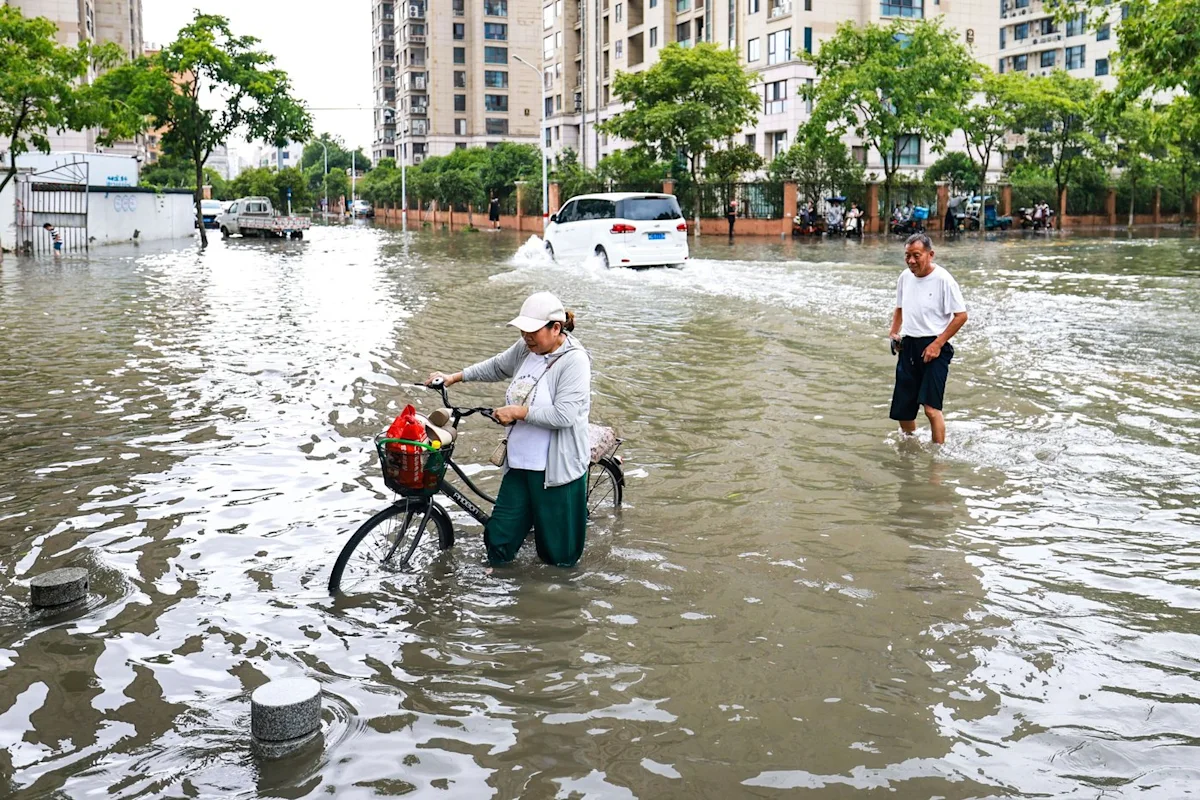
In the June 30 video, Carney laid out the three pillars of the “global energy crisis” as he sees it. The first is the affordability of energy, mainly the price of gasoline, which has shot up in recent months. The second is energy supply, which is being threatened by global factors like the impasse in the Strait of Hormuz. The third is climate change, which is manifesting itself in increasing wildfires and extreme weather.
Carney’s mantra is “when we control our own energy, we control our own future.” But the address was more about plans to sell our oil and gas than about ensuring we have enough energy ourselves, says Peter Nicholson, who was a deputy chief of staff for policy in the Prime Minister’s Office under Paul Martin.
“We’re not talking about Canadian energy security. We’re talking about a tremendous economic resource for the time being,” said Nicholson, who is also the chair of the board at the Canadian Climate Institute.
Carney’s address acknowledged this: “The truth is, nobody knows how long the global economy will rely on conventional energy. But while it does, as much of that energy as possible should come from Canada, produced responsibly and with a clear focus on lowering emissions over time.”

Alberta has formally submitted a proposal to Ottawa’s major projects office for an oil pipeline that will travel through southern British Columbia. Power & Politics hears from Quebec Liberal MP Steven Guilbeault, the country’s former environment minister, about his concerns over the toll this new pipeline could take on both the planet and the Canadian people.
Some argue Carney’s strategy of pumping as much oil as possible makes business sense at a time of economic upheaval. But anyone concerned about global warming is uncomfortable with the idea of producing more fossil fuels when Environment and Climate Change Canada is forecasting 2026 to be one of the hottest years on record.
Carney called the federal government’s commitment to fighting climate change “absolute,” and insisted Canada must continue to build out zero-carbon energy sources like wind, solar, nuclear and hydro.
“The path to affordability is electrification. The path to competitiveness is electrification. The path to sustainability is electrification,” he said.
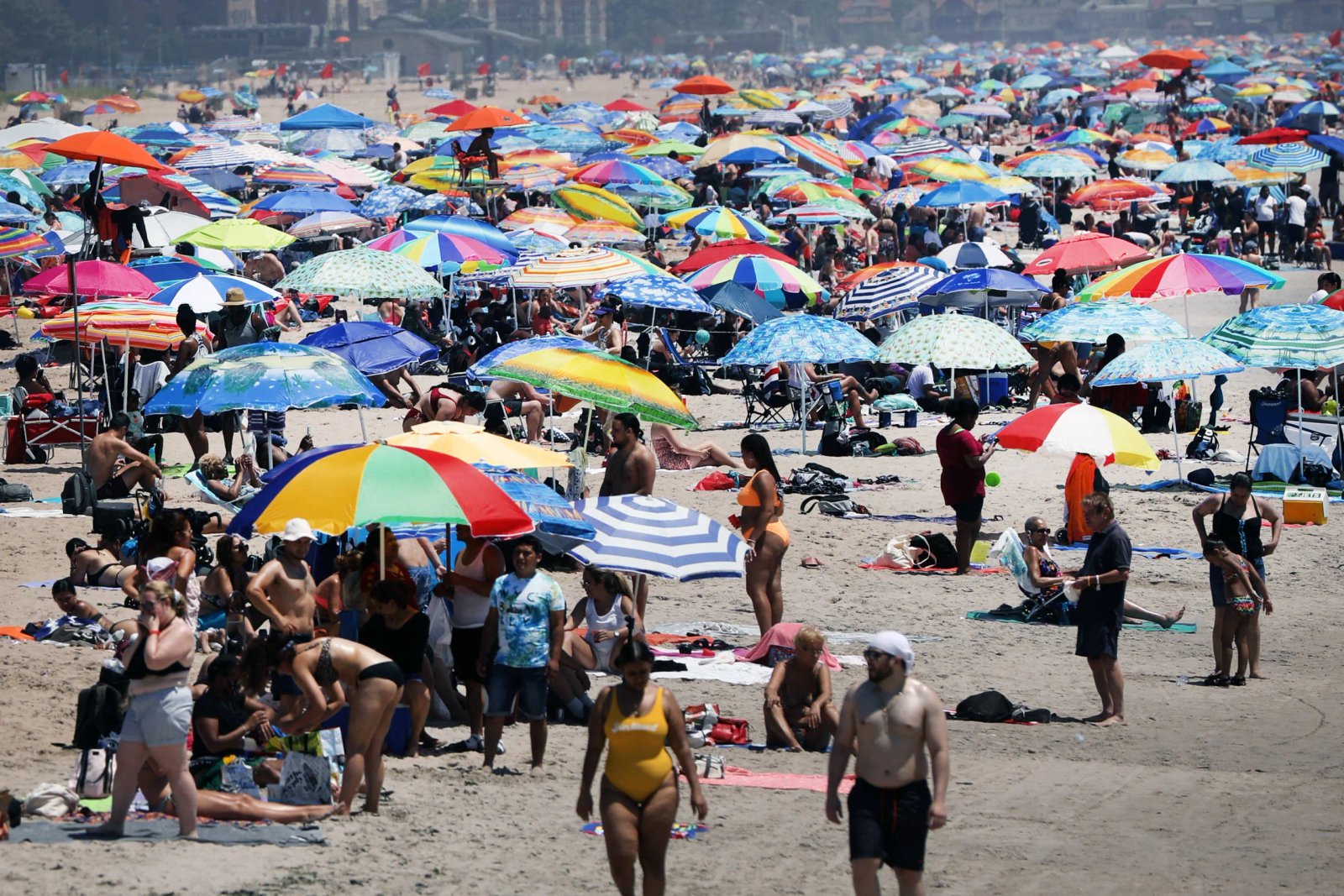
But he also admitted that in prioritizing oil production, Canada is moving further away from achieving its climate targets and that emissions would likely be higher than forecasted. These comments came as Ontario and Quebec roasted in a heat dome.
More like Norway?
Adam Scott, director of Shift: Action for Pension Wealth and Planet Health, says that if energy sovereignty does in fact mean having enough energy for domestic requirements, “Canada’s pretty much already there. We’re a net exporter of electricity and conventional oil and gas.”
Carney seems to be pitching that Canada become more like Norway, where the profits generated by oil and gas are used to help fund the transition to cleaner energy sources for domestic use.
The difference, Scott says, is that Norway long ago acknowledged its petroleum reserves wouldn’t last forever and that it should use the revenues to diversify the economy. And it has done so — its electricity grid is nearly 100 per cent low-carbon sources (largely hydro, solar and wind) and nearly 100 per cent of new vehicle purchases are electric, thanks to tax exemptions and other incentives for EV ownership.
“Domestically, Norwegians are not exposed to the risks of energy shock or decline in the oil markets the way that Canadians are,” said Scott.

Janzwood said that in response to recent oil supply disruptions as a result of the conflicts in Ukraine and the Persian Gulf, many countries — particularly in Asia and Europe — have reconsidered their over-reliance on fossil fuel imports and prioritized energy security by building out renewable energy infrastructure like wind and solar farms and turning to low-carbon solutions like electric vehicles and heat pumps.
“Canada is in a small minority in how it is responding, by trying to expand exports for oil and gas,” she said.
Economics of oil
Not only is that approach environmentally risky, but some analysts have questioned its economic wisdom.
In an online essay written before the July 2 announcement, the Canadian Climate Institute’s Nicholson laid out why “a pipeline isn’t a Field of Dreams” — in other words, the notion that “if you build it, they will come” doesn’t really apply here.
While Danielle Smith has argued that constructing another pipeline sends a signal to the petroleum sector that Canada is ready to produce more oil, Nicholson said “pipelines are generally not financed that way.”
As he wrote, “Before committing tens of billions of dollars, investors need confidence that sufficient oil will be available over several decades to generate an adequate return.” And he is skeptical the industry itself sees “commercial opportunity large enough to justify building, and filling” another pipeline.

Forecasts from bodies like the International Energy Agency (IEA) suggest that while oil demand is rising overall, a time when it flattens and falls is on the horizon. Whether that happens this decade or after 2050 depends, the IEA says, on whether governments follow through on climate policies.
The latest edition of the Statistical Review of World Energy, which came out earlier this month, shows that renewables were the largest contributor to total global energy supply in 2025. It also said that China’s approach, which includes an accelerated deployment of clean energy and stockpiling fossil fuels, reflects “a continued priority of self-sufficiency.”
A new report by the non-profit Oil Change International found that between 2022 and 2024, public banks in Canada provided $18.2 billion annually for fossil fuels, 19 times more than for renewable projects and the highest in the G20.
“While the world races towards cheaper renewable energy, Canada continues to double down on oil and gas, leaving Canadians vulnerable to geopolitical and economic volatility,” wrote Aly Hyder Ali, oil and gas senior program manager at Environmental Defence, in response to the report.
Scott says that in terms of energy, the global situation is very competitive, thanks to China’s tremendous investment in becoming a leader in electrification. Meanwhile, the U.S. under Trump “is working on behalf of the fossil fuel industry to try and slow that transition down.”
“One is on the losing side of the transition and one is on the winning side, and [Canada has] decided we’re going to invest in the losing side — intentionally,” said Scott. “It’s just mind-boggling.”