dailynewsnblog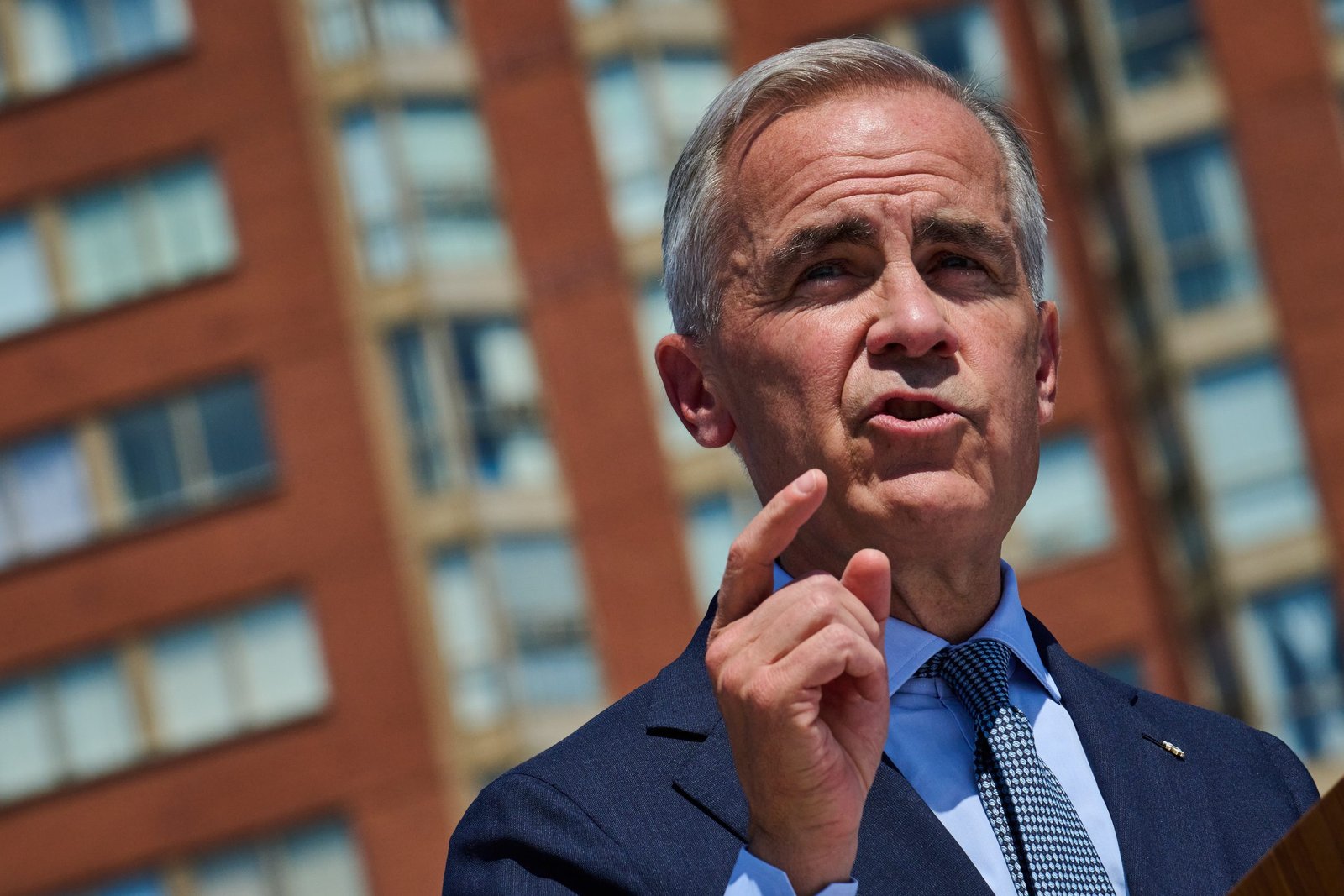
Prime Minister Mark Carney says he never told Premier Doug Ford that the federal government would move ahead with expanding Billy Bishop Toronto City Airport.
In March, when Ford first announced the plans to expand the airport, he told reporters that he had the support of the federal government.
“We do have the federal government’s support,” Ford said at the time. “They realize that it’s going to create many jobs and economic opportunities.”
Asked on Wednesday whether he had ever told Ford he would proceed with the expansion, Carney gave a one-word answer.
“No.”
Premier Ford repeatedly suggested throughout the spring that the federal government was on board with the proposal to extend the airport’s runway and allow commuter jets to operate from the downtown airport, until Ottawa formally rejected the proposal last week.
Transport Minister Steven MacKinnon announced the federal government would limit its involvement at Billy Bishop to previously approved safety improvements and would not proceed with the expansion.
Carney said that no such commitment was ever made by the federal government.
The prime minister also pushed back on suggestions that his government had reversed course.
“We did not have a policy,” Carney said. “What we had was an idea that was proposed. And then we did what governments should do, which is to consult.”
He said the federal government conducted public consultations that showed overwhelming opposition to the proposal before deciding not to proceed.
“It was a very clear result of that consultation,” he said. “We took the view, as we stand by, that our investment in Billy Bishop will be for safety reasons.”
Rather than treating Billy Bishop as a standalone project, Carney said his government is developing a broader transportation strategy for the Greater Toronto Area that includes expanding Pearson International Airport, advancing the Alto high-speed rail project, investing in GO Transit and potentially making greater use of regional airports.
“Transportation… we need a comprehensive approach that addresses all forms of transport,” he said, describing Billy Bishop as “part of a much bigger picture.”
But in the same media avail, Carney refused to permanently rule out commuter jets at Billy Bishop, saying “forever is a long time,” but stressed that any future consideration would have to satisfy strict criteria related to noise, environmental protection, heritage preservation and housing impacts.
The prime minister’s remarks also come as tensions between Ottawa and Queen’s Park have intensified over transportation infrastructure.
Several eastern Ontario Progressive Conservative MPPs have recently “raised concerns” about the federally backed Alto high-speed rail project, with some saying that the criticism could be a response to the federal government’s decision on Billy Bishop.
Asked whether their concerns amounted to retaliation, Carney dismissed the suggestion and instead talked about the need for an integrated transportation network across Ontario.
“The success of Toronto, the success of Ontario, the success of Canada” is creating growing transportation demands, he said. “We need a comprehensive, holistic solution.”
The premier’s office has previously declined to answer questions about why he expressed confidence that the federal government was on board before Ottawa ultimately rejected the proposal.