dailynewsnblog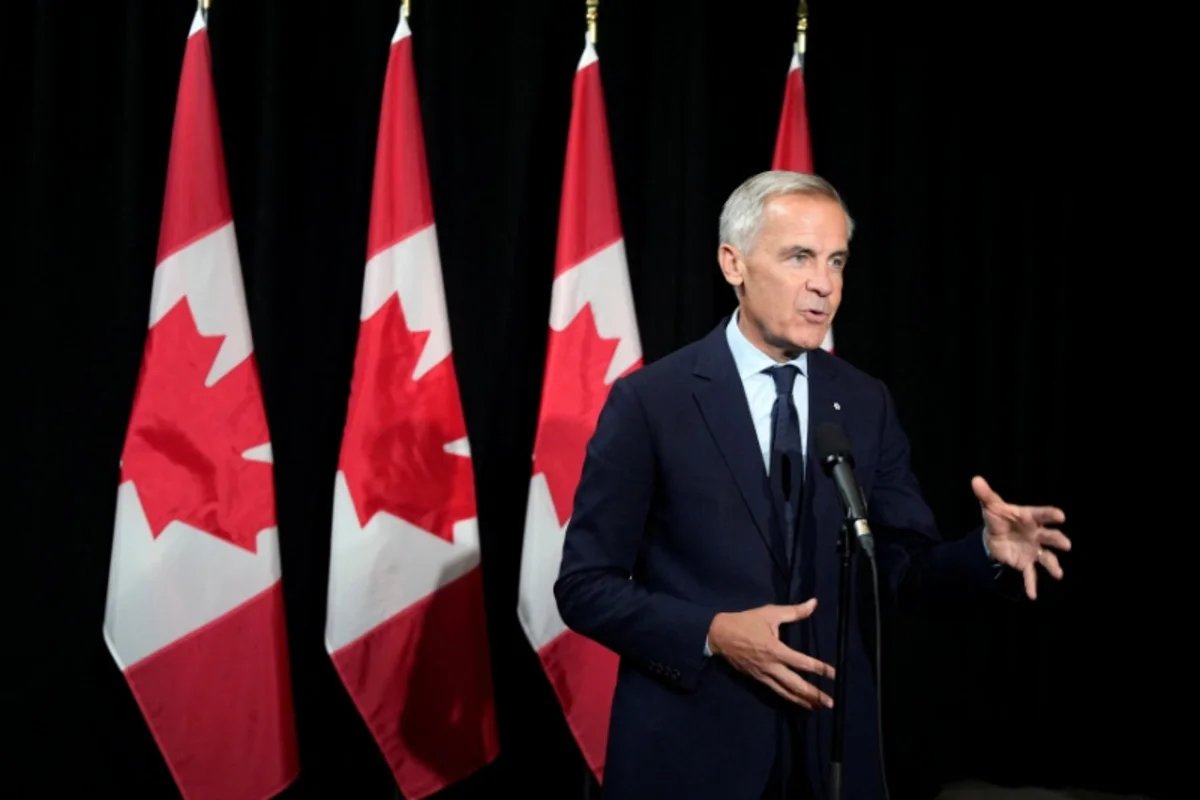
BRUSSELS, Sept 13 (Reuters) – Canada’s Prime Minister Mark Carney wants closer links with the European Union and is exploring whether his country could become an “associate member” of the bloc, The Wall Street Journal reported on Sunday.
The EU, which has not been flexible about membership rules in the past, is open to the idea of granting Canada a yet to be created status of associate membership, the newspaper reported, citing unnamed officials both from the EU and Canada.
The Canadian embassy in Brussels and spokespeople at the European Commission did not respond to separate requests for comment.
Canada’s escalating trade war with the United States has added urgency to its strategic pivot towards other trading partners.
Canada’s relations with Washington have deteriorated sharply since President Donald Trump returned to the White House in early 2025, with disagreements on trade and other issues. The trade spat has led to tariffs on tens of billions of dollars in cross-border trade.
Canada and the EU are discussing ways to let Canada’s goods, services and workers involved in strategic supply chains such as energy, AI, defence and critical minerals move freely, thus effectively shifting the EU border, The Wall Street Journal said.
Canada and the EU are also talking about laying underwater cables, jointly constructing data centres, cloud storage and new satellite networks and infrastructure to ship Canadian energy to the EU, the newspaper said.
Carney has spoken regularly with several EU leaders, most notably French President Emmanuel Macron, about the possibility of letting Canadians live and work visa-free in the EU, WSJ said, citing two unnamed officials familiar with the matter.
Both leaders are set to meet later this month.
Macron’s press office did not respond to a request for comment.
The project to closely tie-up Canada and the EU is not such an easy feat, though, as fierce opposition to a more modest trade deal showed.
More than a decade after the deal was struck and nine years since it provisionally entered into force, several EU countries still have not ratified it.
(Reporting by Inti Landauro; Editing by Christina Fincher)