dailynewsnblog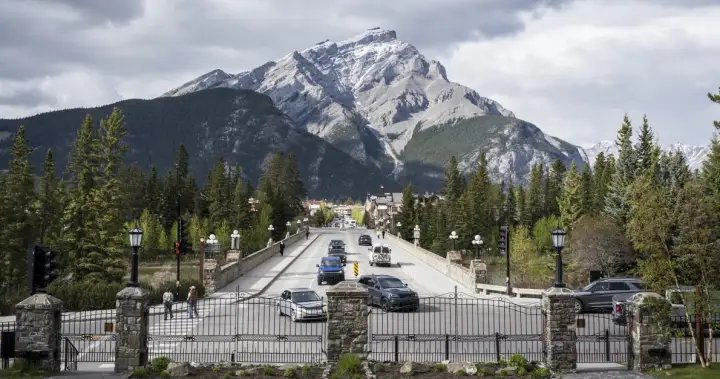
Canadians are expected to keep their travel plans this year despite higher transportation costs and economic uncertainty, a new survey suggests, with most sticking with domestic travel due in a cost-saving move that could still inject billions of dollars into the economy.

The survey informed the Business Development Bank of Canada’s annual tourism outlook, released Wednesday, which found nine in 10 Canadians are planning a trip in 2026.
Of those travellers, 92 per cent said they were expecting at least one trip within Canada, compared to 70 per cent who are planning to travel internationally. Just 30 per cent said they had a U.S. trip in the works, however, due to many travellers continuing to boycott the country.
The shift to domestic travel has economic benefits, the BDC argues: the agency estimates that if every Canadian traveller this year were to switch just one overnight stay abroad to a day of travel in Canada, it could generate up to $4.6 billion in additional GDP.
“If there’s more people travelling in Canada, the industry is going to grow and the number of jobs is going to increase,” Pierre Cléroux, the BDC’s chief economist, said in an interview.
“That will have a great impact on the Canadian economy.”
The survey found households are expecting to spend about $7,000 on average for their travel plans this year, with at least one-third expected to be spent within Canada.

While U.S. tensions and affordability were both motivating factors for just over one-quarter of travellers opting to stay in Canada, a plurality — 45 per cent — said they were inspired to explore “Canada’s diverse regions,” suggesting they are choosing Canadian destinations on their own merits.

Get daily National news
Get daily Canada news delivered to your inbox so you’ll never miss the day’s top stories.
Forty per cent said they were motivated to travel within Canada to visit friends and family, followed by 39 per cent who said they want to support Canadian businesses and the domestic economy.
While 58 per cent of those surveyed said they consider travel a “central” or “important” part of their lives, 81 per cent said they were making affordability-related compromises to their travel plans this year, such as choosing cheaper accommodations and off-peak travel dates.
The report notes that Canadians on average spent $43 less per night when travelling domestically than when travelling abroad last year.
Energy costs not deterring travel, BDC suggests
The survey polled 1,000 Canadian adults online between Feb. 25 and March 3, meaning responses were collected both before and after the U.S. and Israel launched the war with Iran, which sent energy prices soaring.
Despite this, the BDC remains confident that its forecast for a strong tourism season will hold due to multiple factors.
Those include a relatively stable Canadian dollar that will nevertheless remain weak and below US$0.75, which will attract foreign visitors and lead to Canadians opting to keep their travel spending at home.
Wednesday’s report also notes that Canadian travel accommodations have eased their prices over the past year, helping to offset higher energy prices and making domestic travel more attractive.
“There’s no doubt that everybody’s paying more for gasoline, but we have to keep in mind that it’s only five per cent of the average Canadian budget,” Cléroux said.
“Yes, it’s annoying when we go to put some gasoline in the car, but actually it doesn’t change the budget for many Canadians.”

The optimism for this year’s travel season comes after a record-smashing year for the domestic tourism industry in 2025 that was driven in part by a surge in Canadian travellers’ spending, which Statistics Canada said was up 2.5 per cent from 2024.
That helped offset a 0.7 per cent dip in international tourist spending last year, although the agency said a boost in foreign visitors last quarter helped push tourism GDP past Canada’s overall GDP.
At the same time, Canadian trips to the U.S. have plunged by 25 per cent since late 2024 after U.S. President Donald Trump launched his trade war and threatened Canada’s sovereignty, though return trips ticked up slightly last month.
Cléroux said that momentum is expected to continue this year.
“We still believe that 2026 is going to be a positive year,” he said. “We’re not forecasting a recession, so Canadians still have the means to travel, (and) we don’t believe that the beginning of this year is going to have a huge impact on the decisions that Canadians are making in terms of travelling.”
© 2026 Global News, a division of Corus Entertainment Inc.