dailynewsnblog
How do recalls work in Canada?
Notably, while there have been frequent large-scale recalls due to defective backup camera displays, Transport Canada notices regularly state the issue as the probability of a crash, rather than a link to recorded fatalities. An overhaul concern for safety is paramount. In Canada, the Motor Vehicle Safety Act requires automakers to notify Transport Canada as well as current vehicle owners when they become aware of a regulated defect “in the design, construction or functioning of a vehicle or vehicle equipment,” Sau Sau Liu, senior communications advisor with Transport Canada told National Post in an email. This is especially true for defects “that could affect the safety of a person.”
Liu said recalls are issued by the automakers, not Transport Canada. The latter’s role is ensuring that companies follow the regulatory requirements. However, Transport Canada publishes information about each recall notice in the Motor Vehicle Safety Recalls Database.
An advanced search of “Visual System” recalls in the database, including backup cameras, reveals 847 recalls since 2018. The recalls cover all manner of makes and models. Some of the common reasons listed in rearview camera malfunctioning include: part of the rearview camera image may be blocked, rearview camera image may not display and rearview camera may not work.
Not all these recalls are for the backup camera systems. Visual system recalls also cover other visibility issues, such as rearview mirror and windshield wiper malfunctions. To find the recall specific to your vehicle, fill in the make, model and year. An owner can also enter their vehicle identification number (VIN) in the vehicle manufacturer’s recall lookup tool.
Liu recommends that vehicle owners ensure their vehicle and contact information are registered with the manufacturer to receive prompt recall notifications. This also applies to owners buying and registering a second-hand vehicle. Manufacturer contact information can be found on Transport Canada’s website.
Finally, says Liu, when a vehicle owner believes there is a safety issue with their vehicle or safety recall repair, they are encouraged to report it to Transport Canada’s defect complaints and recalls hotline at 1-800-333-0510 or submit a defect complaint form.
When did regulations change to mandate rear backup cameras?
A 2008 U.S. law, signed by former U.S. President George W. Bush, directed regulators to help prevent pedestrian deaths and injuries caused by backup collisions — particularly among children. That led to mandatory installation of backup cameras in all vehicles beginning in 2018. They were previously an optional feature.
In 2018, Canadian standards were shifted to fall in line with the U.S. The cameras are required in Canada by regulation in passenger cars, SUVs, light pickup trucks and minivans in Canada.
How do rear backup cameras work?
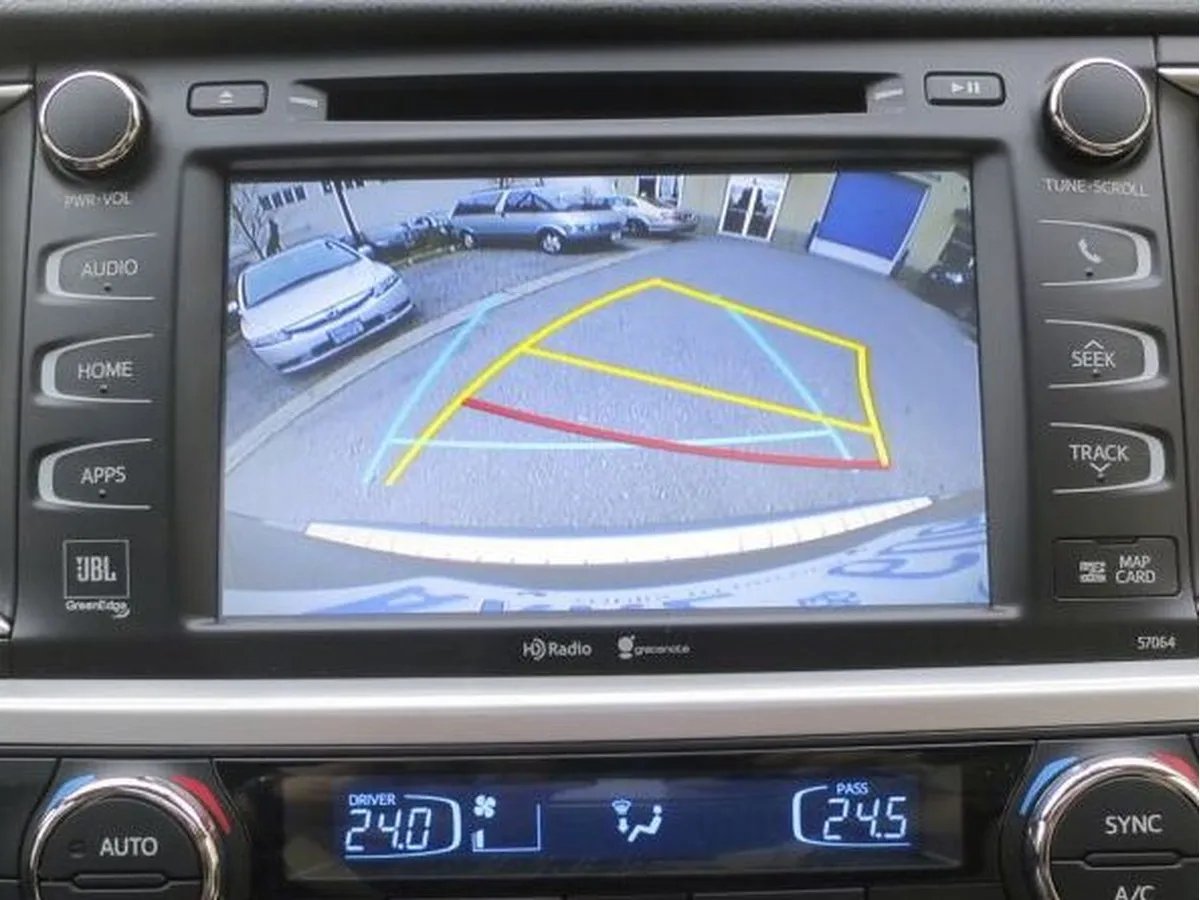
Transport Canada describes backup cameras as displaying “the area directly behind a vehicle when it is in reverse,” geared to preventing the driver from backing into something. They show the area monitored by the camera on a dashboard screen in front of the driver.