dailynewsnblog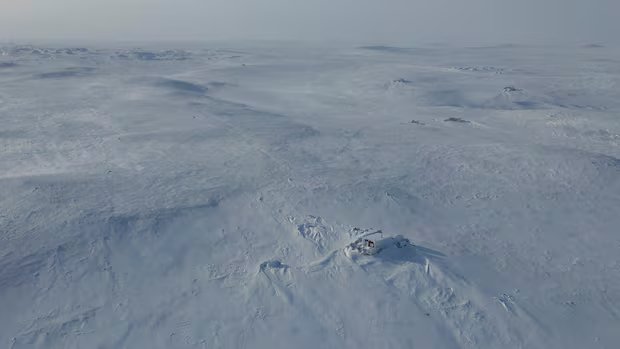

Listen to this article
Estimated 4 minutes
The audio version of this article is generated by AI-based technology. Mispronunciations can occur. We are working with our partners to continually review and improve the results.
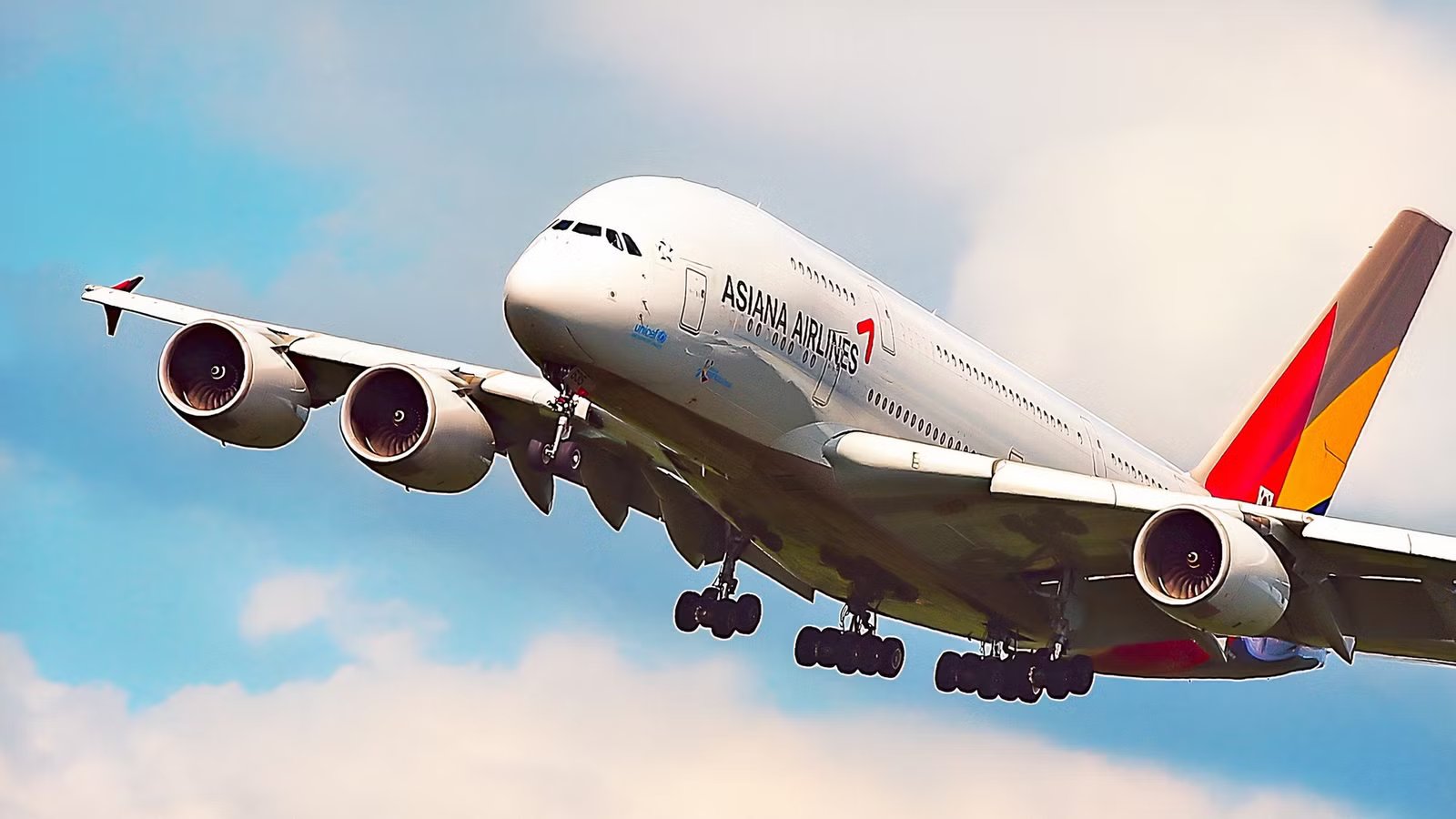
An Israeli-made surveillance drone, once owned by Transport Canada but now the property of the Canadian Coast Guard, will conduct routine test flights over the Arctic this summer, says the Department of National Defence.
The fate of the Elbit Systems Ltd. Hermes 900 Starliner remotely operated aircraft has been in limbo since Prime Minister Mark Carney launched a massive reorganization of the federal government last year.
Its introduction into the coast guard is a milestone. The Royal Canadian Air Force (RCAF) has — for decades — been pursuing its own drone capability and has ordered 11 MQ-9B SkyGuardian remotely piloted aircraft systems (RPAS) from General Atomics Aeronautical Systems, but their delivery is delayed until 2028.
That means the coast guard gets the capability before the military.
Transport Canada purchased the Hermes 900 Starliner in 2020 for its National Aerial Surveillance Program (NASP) specifically for Arctic surveillance. Last summer, the department was forced to reduce its monitoring of the Far North because the drone had not been delivered and fixed-wing aircraft that usually shoulder the load faced a myriad of mechanical challenges.
The new drone was delivered to Transport Canada in September.
As part of Carney’s reorganization, the Department of National Defence (DND) has since taken over responsibility for Transport Canada’s surveillance aircraft. The change was part of the federal government’s drive to meet NATO’s two per cent of gross domestic product benchmark.
The coast guard, which was also absorbed by DND, assumed responsibility for the civilian surveillance planes and systems, which are meant to track pollution and other hazards off all three coasts.
“The aircraft services directorate was entirely transferred to the Canadian Coast Guard, including its assets and personnel,” said DND spokesperson Craig Macartney in a statement.
“This includes the Elbit Starliner drone, which will conduct flights in the Arctic this summer as part of the final testing before the drone can be accepted into our fleet.”
Getting a more consistent view on what’s happening in the Far North is crucial, says Richard Shimooka, a defence expert with the Macdonald-Laurier Institute.

Last spring, the Liberal government announced the Canadian Coast Guard would be integrated into the Department of National Defence. But the commander of the navy says there’s no reason — in circumstances outside of war — to arm coast guard ships.
“This is a pretty critical system,” Shimooka said. “Not having this or having too few of these sorts of platforms is a deficiency.”
Transport Canada’s purchase of the medium-altitude, long-endurance (MALE) drone took over five years and therefore Shimooka says we shouldn’t read too much into the slow delivery of the RCAF system.
However, he added technical and logistical complications might come down the road when the military and coast guard have to fly both the Starliner and SkyGuardian in tandem.
The coast guard and military are in the process of installing secure communications equipment on the civilian ships and aircraft in order for them to be able to report what they see.
Despite that, a senior federal official — during testimony last fall before the House of Commons defence committee — said there are also no plans to militarize the coast guard or assign it an enforcement role.
The coast guard will also remain outside of the military chain of command.
CBC News asked the Defence Department whether the former Transport Canada aircraft and the drone will have the same secure access communications.
In his written response, Macartney suggested, but did not directly confirm, the upgrades would take place.
“As part of the transfer, the Canadian Coast Guard will oversee aircraft use and maintenance,” Macartney said. “This includes any necessary upgrades to support various government priorities, such as maritime domain awareness in support of national security.”
The coast guard will also inherit former Transport Canada aircraft, including a single Dash 7 and two Dash 8 turboprop planes.
Federal Conservatives have expressed concern about how well the coast guard can defend itself — both on the water and in air — if it runs into trouble as part of its new national security mandate.