dailynewsnblog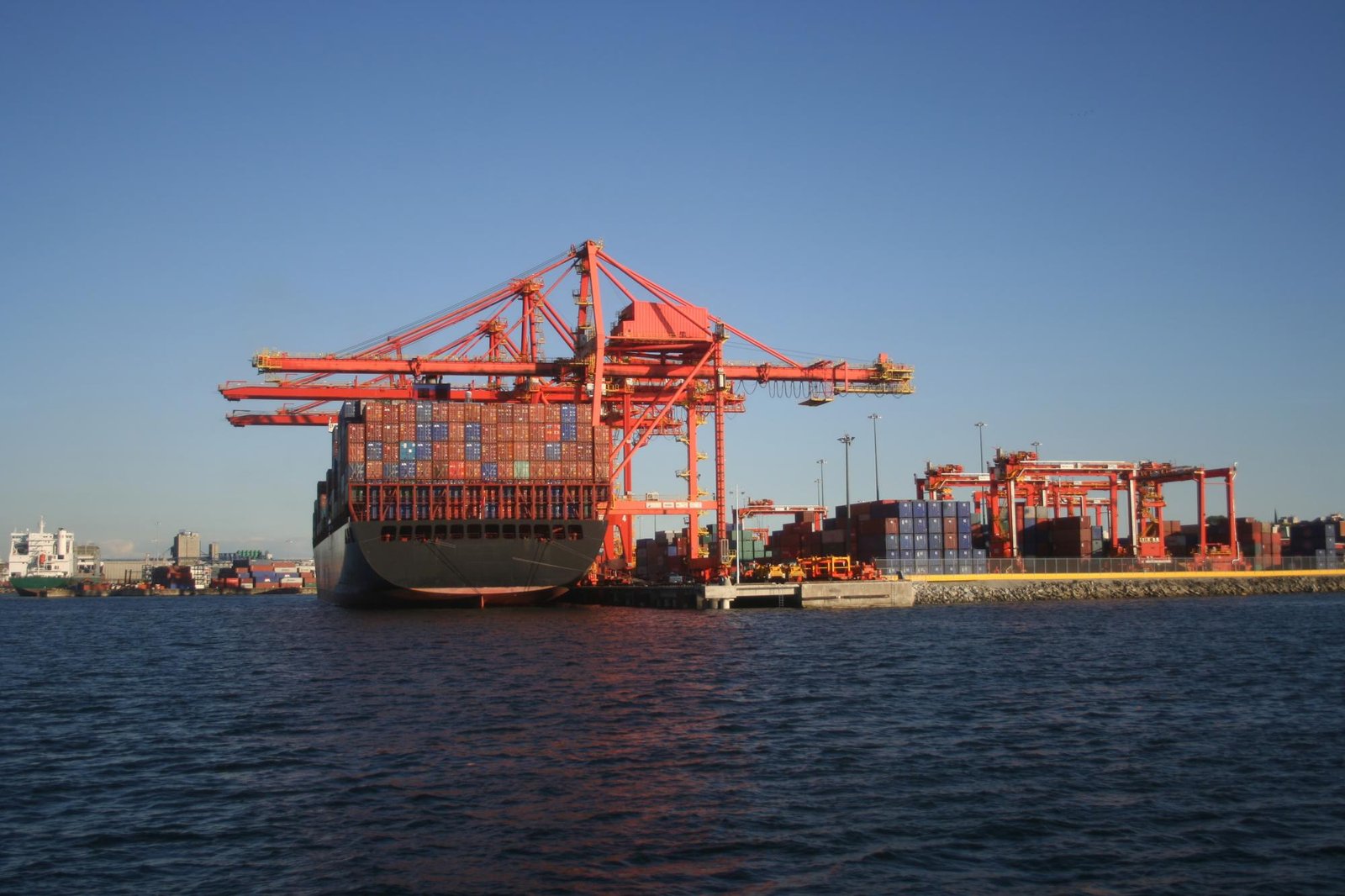
The decline in the relative connectivity of Canada’s maritime shipping may be partly explained by recent developments in ship size. As discussed in a recent Sparks at Bank article, shipping companies are replacing aging vessels with new, larger ships that can carry more cargo. For example, the latest ultra-large container ships can carry over 20,000 standard-sized containers. But the largest ships that Canadian ports can accommodate are those that carry 15,000 containers at most. This implies that many imports coming on larger ships from southeast Asia, for example, must first travel to and be processed through the port of Los Angeles before being shipped to Canada by train or truck.
The decline in relative connectivity is not solely a Canadian issue but a North American phenomenon. Major US ports also saw decreases in their degree centrality between 2016 and 2023. In 2016, 3 ports in the United States were among the top 10 most-connected ports in the world, but none remained in the top 10 by 2023. Meanwhile, 8 of the 10 most-connected ports in 2023 were located in East Asia, up from 6 in 2016. These shifts reflect the growing prominence of trade between developing economies.
The overall capacity of ships moving through Canadian ports has declined
The capacity of ships tells us how much, in theory, can be imported to and exported from Canadian ports. A ship’s capacity depends on its type and dimensions, yielding what’s known as deadweight tonnage. But this measures potential capacity. It does not capture actual traded volumes or values. The deadweight tonnage data we use from the London Stock Exchange Group do not tell us what these ships are carrying or the share of capacity actually being used.
The total deadweight tonnage of all vessels that departed from or arrived at Canadian ports fell from 167 million metric tons in 2016 to 119 million metric tons in 2023—a decline of 28% of maritime trade capacity.
Over this period, Canada lost 11 trading partners that accounted for just over 6 million metric tons of capacity. At the same time, Canada gained 18 new partners that contributed about 3 million metric tons—not enough to make up the loss of trading partners.
Like the decline in relative connectivity, the drop in overall deadweight tonnage is a broader North American issue.
In 2016, the United States and Canada ranked 2nd and 6th in the world, respectively, for total deadweight tonnage that moved through their ports. Seven years later, their ranks were 3rd and 23rd, respectively. Of the remaining 18 countries in the top 20, 10 saw their overall deadweight tonnage more than double over that same period.
And when we examine trade with the top 20 countries, we find that Canada and the United States were among the few countries that received less total deadweight tonnage in 2023 than they did in 2016 (Figure 1).