dailynewsnblog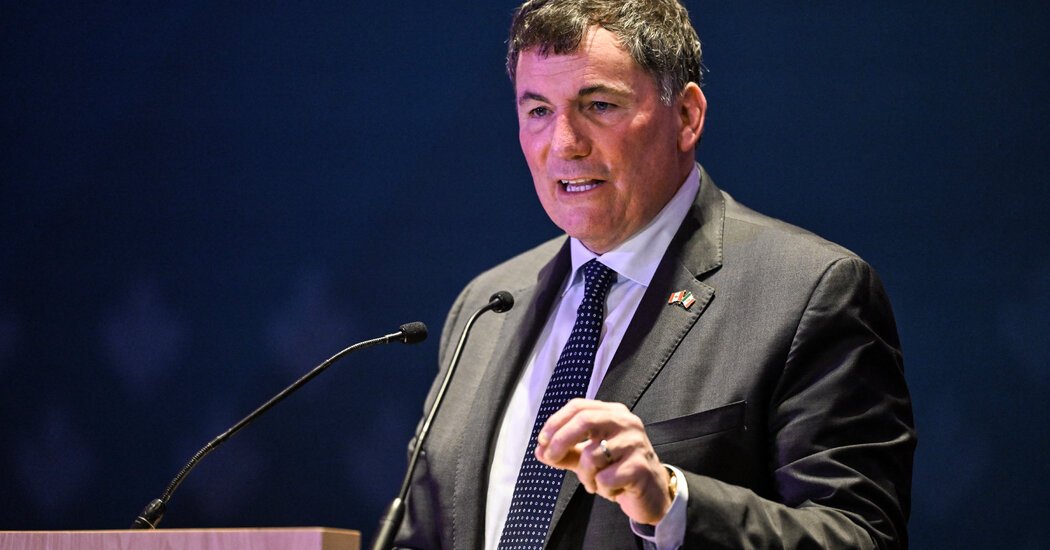
Hours before Canada’s trade minister arrived in Washington on Tuesday for trade talks, President Trump posted an article about Canada being in a technical recession accompanied with a familiar comment: “51st state!”
It was the first time in months that Mr. Trump used the phrase that’s fueled a wave of Canadian patriotism and recast the country’s political fortunes.
The two neighbors — allies with closely integrated economies — have been navigating a period of profound mistrust since his second term, as Mr. Trump has repeatedly used menacing language about Canada, and threatened to make it part of the United States.
But things had been calmer in recent weeks. Then, the post on Monday evening reignited anger about Mr. Trump’s demeaning and menacing attitude toward Canada, just days before the two countries, alongside Mexico, begin co-hosting the World Cup.
The post, which was reposted by the U.S. ambassador to Canada, highlights the tense atmosphere as the United States, Canada and Mexico are wading into a review of their free-trade agreement.
Mr. Trump included a link to a Bloomberg article about Canada’s economy experiencing two consecutive quarters of negative growth, with the comment, “51st State!”
Mr. Trump’s disrespect propelled the rise of Canada’s prime minister, Mark Carney, who won an election last spring promising to strengthen the economy and make it more independent of the United States. The two men have enjoyed a seemingly positive chemistry during their in-person meetings, but their relationship appears to have worsened since Mr. Carney made a high-profile speech in January, describing the end of an era of U.S. hegemony and calling on “middle powers” like Canada to stick together to survive.
Last week, Mr. Carney struck a conciliatory tone in a speech in New York, suggesting that a stronger, independent Canada would be a better partner for the United States.
The United States and Mexico have already began formally negotiating changes to their trade agreement, and the United States Trade Representatives’ office has released a schedule for the next rounds of talks, which will extend well into July.
But there has been silence about the trade agreement from Canada.
The two nations have not began formal discussions, nor is there a plan for how those will play out in the coming weeks and months.
The United States-Mexico-Canada Agreement, which Mr. Trump signed into law in his first term, is set to be reviewed by July 1, but it is broadly acknowledged that discussions will last further into the summer.
The United States has largely exempted Canada and Mexico from the country-specific blanket tariffs it has imposed on most nations around the world, because of the U.S.M.C.A.
But U.S. tariffs on industrial sectors, including autos, aluminum, steel and lumber, are badly hurting pockets of the Canadian economy.
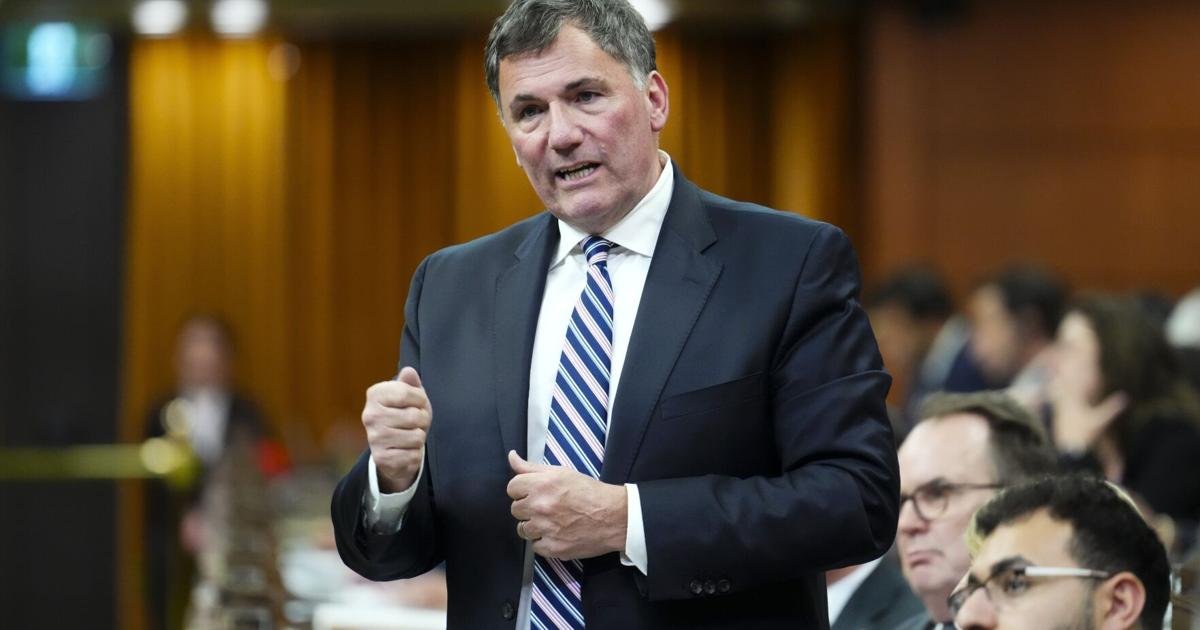
On Tuesday afternoon, Dominic LeBlanc, Canada’s minister in charge of trade, is scheduled to meet with Jamieson Greer, the United States Trade Representative, in Washington, to discuss how negotiations between the two countries will proceed.
A good outcome for Canada would be if Mr. LeBlanc leaves Washington with a clearer sense of specific dates on which Canada and the United States will sit down for formal trade talks, much like what Mexico and the United States have.
In a letter to the United States and Mexico ahead of his Washington visit, Mr. LeBlanc said that Canada would like to see the U.S.M.C.A. renewed for another 16 years.
The Trump administration has said it doesn’t see the agreement in the same positive light, despite Canada and Mexico being the country’s two trading partners. Mr. Trump has repeatedly claimed Canada does not have anything that the United States wants. Yet when he signed the agreement, he described it as a triumph.
“The USMCA is the fairest, most balanced, and beneficial trade agreement we have ever signed into law. It’s the best agreement we’ve ever made,” Mr. Trump said in a January 2020 speech.
Mr. Greer, an experienced trade expert who is one of the architects of that deal, has said it has been overly advantageous for Canada at the expense of the United States.
The White House did not immediately respond to a request for comment about the meetings or the president’s social media post.