dailynewsnblog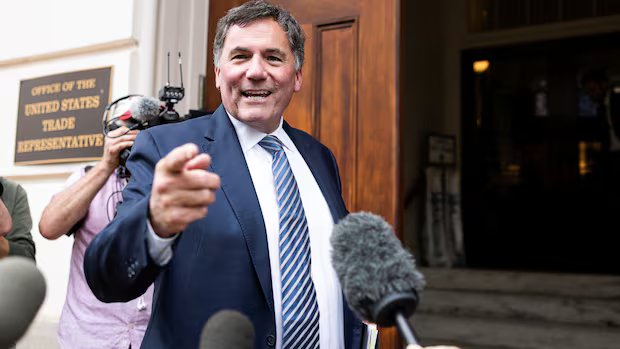
What we learned about a possible Canada-U.S. trade deal on Thursday
While it was expected that Washington would play host to a mere 30-minute meeting toward a forthcoming Canada-U.S. trade deal, negotiators instead spent hours in the U.S. Trade Representative (USTR) building as discussions lingered later into the evening.
While the deal to slash U.S. tariffs in exchange for Canadian concessions is still being finalized, there was a lot to learn from today’s negotiations:
Canada-U.S.Trade Minister Dominic LeBlanc told reporters that negotiators were “very close” to a deal as he left the USTR office this afternoon. Last we’ve heard from CBC’s Washington bureau, Canada’s lead negotiator, Janice Charette, remained in the building for negotiations with her counterpart into the evening.
Some premiers weighed in on Prime Minister Mark Carney’s request to put U.S. booze back on store shelves. N.L. Premier Tony Wakeham said all premiers agreed to the ask, but Quebec Premier Christine Fréchette said Quebec would follow suit if the deal is “globally positive.”
Manitoba Premier Wab Kinew said he’s willing to do it, but encouraged consumers to “buy the Canadian stuff instead.” He described Carney coming close to begging premiers to return U.S. booze to shelves, which Nova Scotia Premier Tim Houston said was “not even close” to how the meeting went down.
Kinew also had choice words for American leadership, saying he thinks U.S. President Donald Trump is “very weak” and that the administration is “back on their heels.” Kinew said that he doesn’t expect to be satisfied with whatever deal is reached.
We still have yet to hear from some provincial leaders on the deal, like Ontario Premier Doug Ford, who has been outspoken about retaliations against U.S. tariffs.
A source with knowledge of the deal told CBC News that a lower tariff on Canadian steel will include a quota system, allowing only a set volume of imports into the U.S. at the lower tariff rate. Earlier, CBC reported the deal would lower tariffs on aluminum and steel to 25 per cent from the threatened 50 per cent. Discussions around related derivatives and exemptions continue.
We also learned from an industry source that a government official confirmed the forthcoming deal includes a change to how the government allocates dairy licences. While the details were not shared, the source said it could lead to an increase in the supply of U.S. dairy products on Canadian shelves.