dailynewsnblog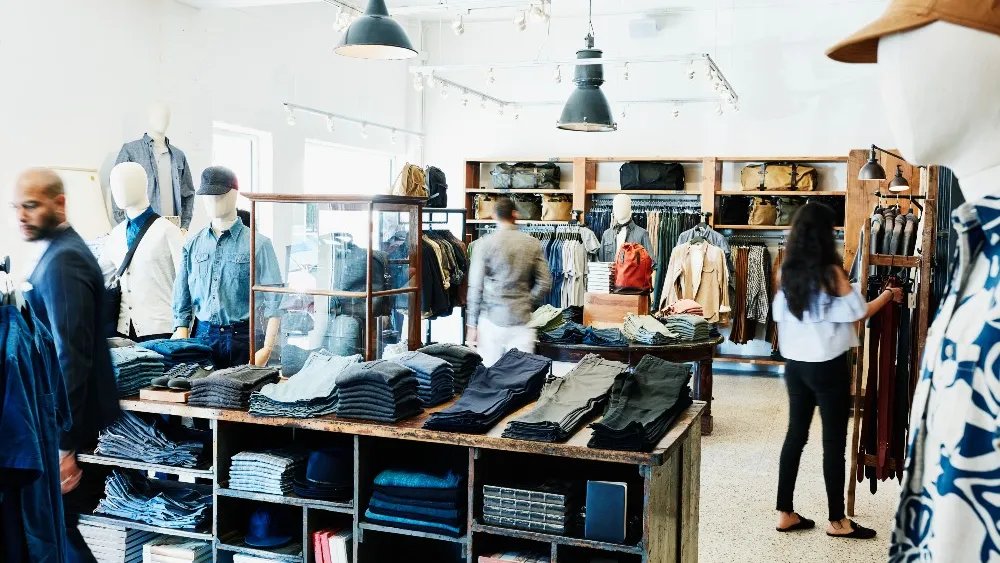
The fallout from America’s break with its closest economic ally is still coming into focus.
Days after the United States Trade Representative announced duties worth up to 50 percent on over $20 billion worth of Canadian products, Canada’s swift reaction involved matching the duties “dollar for dollar,” as described by Prime Minister Mark Carney. Those tariffs, which cover an array of apparel and textile products, will come into force on Sept. 8.
According to the Yale Budget Lab, the average statutory tariff rate in the U.S. now stands at 11 percent, and it’s slated to increase to 11.8 percent by the end of the year as scheduled tariff increases take effect.
The research showed that the consumer price impact of the current policies is about 0.7 percent, with estimated household tariff costs hovering around $1,100—about $30 higher than before the Canadian tariffs.
Over the course of the next decade, analysts estimated that tariffs (should they remain at their current rates, which is unlikely) have the potential to raise about $1.9 trillion. That number could be lower after factoring in the negative impact the duties will have on America’s gross domestic product, or GDP, they added.
The factors behind the breakdown in trade talks, which persisted throughout last week and into the evening hours on Friday, continue to emerge.
Carney said this week that one of the main reasons he pulled negotiators out of the talks was because the USTR made last-minute demands that would “destroy” Canada’s auto, steel and aluminum industries. The Canadian leader said the U.S. sought greater influence over Canada’s trade relationships with other countries, including restrictions on its ability to forge new trade agreements.
Canada-U.S. trade minister Dominic LeBlanc, who led the negotiations in Washington, spoke to Canadian outlet CBC on Monday, saying, “The idea that the United States would have a word to say in the sovereign decision of Canada to enter into a free trade agreement with another reliable trading partner obviously wasn’t something that we were prepared to consider.”
The USTR also pressed Canadian officials to target trading partners with their own sectoral tariffs on products like steel and aluminum. A source told CBC that the suggestion entailed tariffing even free trade agreement partners with new duties if their imports into Canada exceeded levels seen in 2025.
Asked whether he believes the move represents a novel attempt on the part of the Trump administration to exert control over not only bilateral trade with the U.S., but a country’s dealings across the globe, Steve Lamar, president and CEO of the American Apparel and Footwear Association told Sourcing Journal said, “I think this is what they’ve been doing for the last year and a half.”
“Using these other countries as proxies to help advance U.S. policies” is a motivation “embedded” within a number of trade actions, he explained. “You see it with respect to the talk about transshipment and forced labor,” he added, referring to the Section 301 duties that took effect last month.
The tariffs target 60 American trading partners with double-digit duties as the result of a USTR investigation into their failures to effectively impose or enforce bans on imports made with forced labor. The trade action effectively penalizes partners for the labor compliance of products they bring into their own markets, not the goods they’re sending to the U.S.
Trump admitted to CNN earlier in the week that the U.S. had made 11th-hour changes to trade terms at his behest, saying, “That sounds like me.”
“They have to pay a fair amount. And if they don’t pay a fair amount, we won’t make a deal. That’s fine,” he added.
Ontario premier Doug Ford, who has traded barbs with the president in recent days, attempted to cool tensions after “things got a little heated,” telling the outlet that Canadians and Americans remain “the closest friends and allies.”
“Let’s negotiate a fair deal because it’s hurting the U.S. It’s hurting Canada, and we just want to make sure that we have a fair deal,” he said.