dailynewsnblog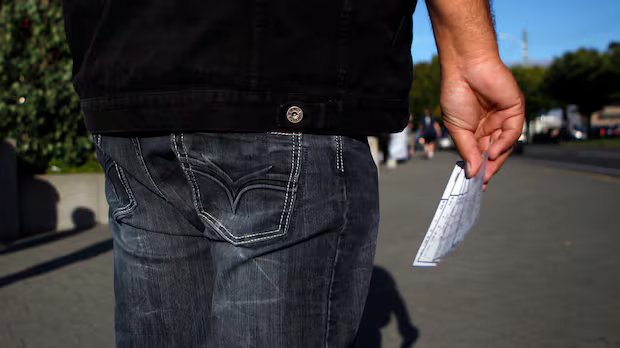
Log on at 9:59 a.m., credit card in hand, heart pumping. By 10:01 a.m., all the tickets for the big stadium show are sold out.
It’s a high-intensity, soul-crushing race that millions of music and sports fans have come to expect.
But most tickets don’t vanish into the hands of fellow fans. Instead, hundreds instantly reappear on secondary resale websites, going for three times their original price.
A growing chorus of artists, music industry managers and politicians is calling for new laws to ban pro scalpers from reselling sports and concert tickets online at huge markups.
Ontario passed new rules in April that prohibit reselling tickets for more than their face value, a move also being considered in New York, California and the United Kingdom.

Soaring ticket prices are sucking the joy out of live entertainment for many fans, but what can be done to fix the system? For The National, CBC’s Dave Seglins goes to Ireland to find out if a resale cap works and asks a Live Nation executive to defend dynamic pricing.
The U.K. government is drafting legislation after artists including Coldplay, Dua Lipa, Radiohead, Iron Maiden and New Order signed a letter in November 2025 urging lawmakers to combat “extortionate” costs on reseller sites like Viagogo and StubHub.
Kid Rock appeared at the White House in March 2025 as U.S. President Trump signed an order cracking down on scalpers using bots to buy tickets. But the musician urged the president to go much further.
“I would love down the road if there would be some legislation that we could actually put a cap on the resale of tickets,” Kid Rock said.

“I’m a capitalist and a deregulation guy, but they’ve tried this in some places in Europe and it seems to be the only thing that us, as artists, are able [to do] to get the tickets into the hands of the fans at the prices we set.”
Ireland ‘price cap’ reduces online scalpers
Noel Rock, a sports fan and former member of Ireland’s parliament, spearheaded legislation adopted in 2021 that bans reselling tickets for a profit.
Ireland’s law threatens fines of up to 100,000 euros ($160,000 Cdn) and even two years in prison.
“Secondary resale markets have simply stopped selling in Ireland,” Rock told CBC News, referencing sites like Viagogo, Ticombo and Stubhub.

Noel Rock, Irish soccer fan and former parliamentarian, spearheaded 2021 law banning reselling tickets for profit.
“It means that in reality, there is a percentage of tickets that are no longer being bought with the sole intention of selling them on the secondary market, because it’s now more hassle than it’s worth.”
Stubhub and its parent company, Viagogo, confirmed to CBC News that the legislation has virtually shut down their domestic listings for Irish sports events and concerts.
“Listings are restricted. We don’t have availability for a lot of the major events,” said Frankie Mulqueen, head of government affairs at Stubhub/Viagogo.
Stubhub/Viagogo opposes price caps, arguing they are unenforceable and drive up fraud.
Mulqueen says professional resellers in Ireland have migrated to less regulated online marketplaces such as Facebook, Craigslist and eBay, which unlike Stubhub and Viagogo, don’t offer a money-back guarantee as a safeguard against counterfeit tickets.
“Our sellers just aren’t willing or capable of selling on the platform anymore. The demand remains, but unfortunately the protections are gone.”
Skirting Ireland’s law
Some scalpers — known as “touts” in Ireland and the U.K. — have found ways to circumvent the law by posting resale tickets for domestic events on offshore sites.
For example, when tickets went on sale in April for golf’s 2027 Ryder Cup, being held in Ireland, they quickly sold out — only to reappear on sites like HelloTickets.com, based in Spain, going for three and four times their face value.
CBC News also recently found a few scalpers plying their trade outside Dublin’s 3Arena, reselling tickets for Tame Impala and Richard Ashcroft of The Verve.
Noel Rock says that in general, Ireland’s law has had a “dampening effect” on scalpers.
“The goal of this law isn’t to entirely eradicate ticket touting, though we’d love to do that. The goal is to minimize it insofar as possible and give real sports fans and real music fans the best possible chance of accessing these tickets at face value,” he said, acknowledging “no law is 100 per cent perfect.”
One challenge, says Irish member of parliament John Clendennen, has been a lack of enforcement.
“It definitely has been impactful but there are still cases where tickets are on sale on online marketplaces at inflated prices and it’s across the board, whether that be for rugby, soccer, Gaelic football.”

Ireland’s national police service hasn’t laid a single charge under the law since its implementation in 2021.
U.K., U.S. price cap campaigns
While U.K. lawmakers are drafting new ticketing legislation, one music industry advocate says the slow pace is hurting both fans and artists.
Adam Webb with the FanFair Alliance helped lead the price cap petition backed by U.K. artists to ban reselling for profit. He estimates British music fans pay about 145 million pounds ($268 million Cdn) a year in markups to scalpers.

Adam Webb of FanFair Alliance is pushing for the U.K. to adopt new laws prohibiting resale of tickets for more than face value.
“Every day the government’s not acting and not putting these laws in place there’s money leeching out of our industry, mostly going overseas,” Webb said. “Obviously, the platforms themselves are based offshore. A lot of the ticket touts are based offshore as well.”
Lawmakers in New York and California are pushing similar legislation.
Even TicketMaster/Live Nation, the world’s largest entertainment company, which makes millions in fees off resale tickets, is advocating for price-cap legislation.
“Because nothing else is working,” Dan Wall, Live Nation’s executive vice-president, told CBC News.
“What we have learned through years of looking at this is that unless you take some of the profit out of resale, then all the problems that it causes — the bots, the fraudulent practices, all of these really anti-consumer things — are just going to flourish.”

Entire interview with Ticketmaster/Live Nation senior executive Dan Wall, in which he addresses dynamic pricing and calls for the company’s breakup following U.S. anti-trust verdict.
He has no sympathy for ticket speculators and resale websites that are being forced out of business in places like Ireland or Ontario.
“My heart’s not bleeding for them. Their business is based upon encouraging this exploitive behavior. Am I supposed to care about that?”
- Watch the full interview with Ticketmaster/Live Nation’s Dan Wall
That said, Wall told CBC that Live Nation/Ticketmaster has no plans to voluntarily adopt “face-value price caps” on its own resale tickets in jurisdictions where it’s not required by law.
Pro resellers fighting back
Brokers and resale websites argue that by using price caps to shut down the secondary ticket market, lawmakers are simply handing Ticketmaster/Live Nation an even bigger monopoly.
“It’s become a more concentrated market with less choice for consumers, unfortunately,” said Mulqueen of Stubhub/Viagogo.
“When you put in place a price cap, you limit the ability of anyone to provide competition in that market, because you have companies like TicketMaster/Live Nation that own and operate all the largest venues, they own the largest promotions company in Ireland and now they have ticketing and they have the ticket resale and an increased deployment of dynamic pricing.”
The National Association of Ticket Professionals (NATP), which represents brokers and professional resellers in the U.S., echoes those concerns.
“Ticket resale caps do not lower prices for fans, improve service or decrease fraud. In fact, price caps do the opposite,” wrote Gary Adler, NATP’s executive director, in an emailed statement from the group’s public relations firm.
“Capped ticket prices fail to account for actual market demand and create artificial scarcity that drives fans to unregulated markets where fraud is rampant,” he warned.
“Outlawing the legitimate secondary market completely hands over the keys to either anonymous bad actors or a closed monopoly.”