dailynewsnblog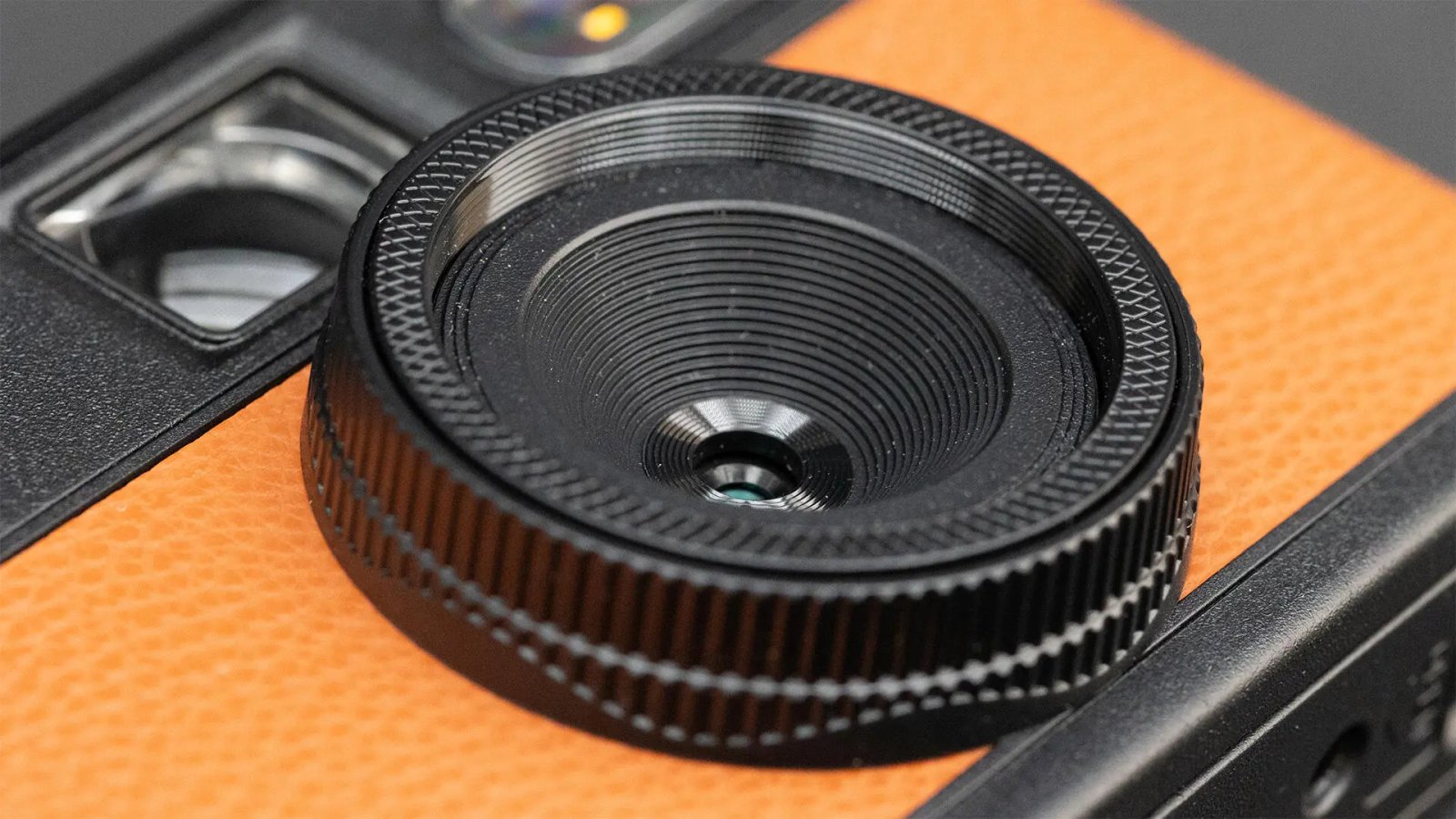

Pros & Cons
-
Great retro design -
Fast filter access is a solid improvement -
Threads for lens filters is a great idea
-
Image quality is unchanged from original -
Good price but spending a little more gets far better image quality
The Camp Snap 2 is a small, screen-free digital camera with retro vibes that’s a lightly updated version of the original. It captures 8 megapixel images, has six built-in filters and, by design, not much else. It’s part of a revival of digital cameras by people who don’t want to be on their phones all the time.
Most of the improvements from its predecessor have to do with usability, including a dedicated button to switch between the filters, plus a slightly slimmer design. What’s not changed is the image quality, which is perhaps a bit too retro. For $70, it’s not bad, but even within the screen-free camera category, there are better options for just a little more, like the Flashback One35.
Camp Snap 2 Specs
| Photo resolution | 8 megapixels (3,264×2,448) |
| Video resolution | N/A |
| Sensor size | 1/3.2-inch |
| Lens | 32mm (35mm equivalent) f/2.0 |
| Image stabilization | None |
| Screen type | Monochrome LCD with image count only |
| Storage | MicroSD (4GB card included) |
| Weight | 109 grams (0.2 pounds) |
| App | None |
Given the price and category, it’s hopefully not a big surprise that the Camp Snap 2’s specs aren’t impressive compared with other point-and-shoot cameras or even modern phones. The image sensor is very small, and the lens isn’t particularly wide. The LED flash isn’t especially bright either.

That all said, this camera isn’t really about the specs. Compared to the previous Camp Snap, the 2 is smaller and has a few hardware changes that are definite improvements. The most notable is the ability to change the active filter for your photos. The older CS camera had a convoluted process for changing the filter that was basically impossible while out and about.

Note the small S above the first 0, which indicates the Standard filter. These progress through V1-V3, BW and A for the other stock filters. You can download others on the Camp Snap website.
Geoffrey Morrison/CNET
You can now, with the push of a button, change between Standard, three Vintage options, Black & White and Analog. I wasn’t enamored by any of these, to be honest, but more on that later.

The other notable changes include a tripod-mounting thread, a subjectively better shutter button, and far better camera sounds. While Camp Snap describes the new camera as 15% smaller, it feels far less bulky, with rounded ends and an overall better feel.

The lens, or more accurately, the plastic protrusion that looks like a lens (the actual lens is tiny and basically flush with the body), is now threaded for filters. This lets you attach a near-infinite selection of 30.5mm filters, anything from circular polarizers to diffusers and more. This might even be the best improvement, not least because Camp Snap plans to sell filters in the future, but also because the right lens filter can greatly change a photo, far more than what’s possible with the built-in JPEG filters. Speaking of those…
Usability and photo quality

From left to right: Standard, Vintage 1, Vintage 2, Vintage 3, Black and White, Analog. None of the images in this section has been edited and is direct from the camera with one of the above filters.
Geoffrey Morrison/CNET
My main complaint with the original Camp Snap was that the image quality was fairly poor. A mediocre image with a mundane filter slapped on top is still a mediocre image, just with a mundane filter. To be clear, I wasn’t looking for “real” camera image quality, or even phone camera quality. For perspective, the Flashback is essentially the same idea as the Camp Snap, but it starts with a high-quality image and lets you modify it with filters.

Maybe I’m looking at this the wrong way, but to me, it’s important to start with good ingredients regardless of which recipe you want to use. I find the images from the Camp Snap 2 to be very old-school digital, but not in a particularly charming way. Less retro 2000s camera and more retro security camera.

Some of the discussion around the Camp Snap 2 is that it’s a camera for kids to bring to, well, camp. I can see how it would be good for that. The camera powers off even if you forget to turn it off with the switch. The microSD card compartment requires a screwdriver to access, though with this version, you only need to remove that screw once, and a latch keeps it in place. There are no settings to adjust, and it’s ready to go in seconds. Plus, it’s cheap. So it is kid-friendly, at least in terms of ease of use, though it’s not water-resistant.

I wouldn’t call it rugged, either, but it seems solid enough to survive being at the bottom of a backpack or being sat on. That said, I’m not a big fan of excusing mediocre performance as something “for kids.” If that’s the perspective, then why care about anything?

I will say, the seemingly small improvements from the original do make the 2 a far better camera to use. Being able to switch filters on the fly is key, though I wish it were a little easier to see which filter you’re currently using; it’s a tiny notification on the LCD screen. The shutter is more satisfying to use, and the various sounds the camera makes are far less toy-camera sounding.

Lastly, like all inexpensive optical viewfinders, it’s difficult to line up the exact shot you want since a slight misalignment of your eye and the viewfinder will change what you can see and therefore what framing you think you’re going to get. Since there’s no screen, that’s the point after all, you end up with misaligned images. This isn’t a negative per se, since that’s largely the point of cameras like this, just something to keep in mind.
2 Camp, 2 Snap
I want to be clear, I love the idea of inexpensive, screen-free cameras. I also really like the overall aesthetic of the Camp Snap. The variety of available colors is great, and there are now some clear plastic options. I am an absolute sucker for clear plastic designs.

The Camp Snap 2 (left) and the original Camp Snap.
Geoffrey Morrison/CNET
I guess it comes down to price. Right now, the Camp Snap 2 is $70 while the Flashback One35 V2 is $120. Depending on your budget, that difference may be meaningless. Maybe it’s significant. Personally, spending more on the Flashback is worth it. Its ratchety “film” advance wheel can be a little annoying, but it has a decent app, and the image quality is significantly better than the Camp Snap. As a photographer, that’s where I’m coming from, though, wanting decent images regardless of the camera used to take them. I don’t need every image to look like it was taken on some billion-dollar medium-format behemoth, but when there’s a similarly priced option that’s better than another, that step makes sense to me.
Maybe you just want something cheap and fun, though, and the Camp Snap 2 is certainly that. Its website warned of a price increase in August, but it’s still priced at $70 to $75. Given other dubious marketing tactics (certain colors are “sold out” unless you refresh the page), it’s tough to say if the price increase is just that, a sales tactic. If that price gets too much closer to the Flashback, though, it will be an even harder sell in my eyes.

See full bio