dailynewsnblog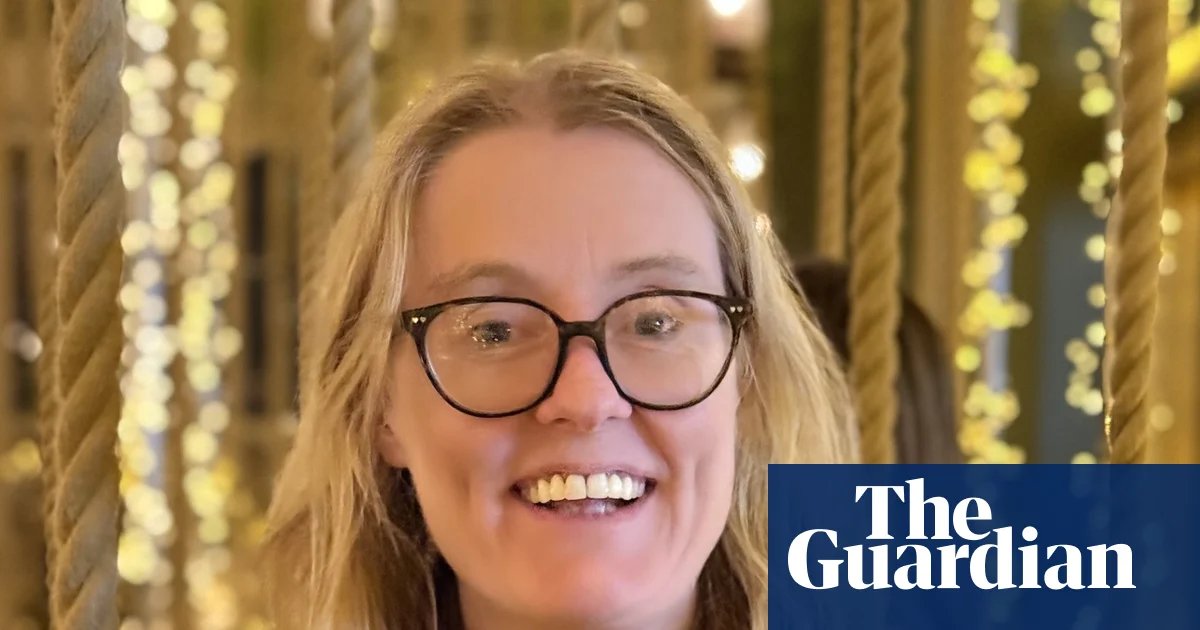
A family is calling for wholesale reform of the gambling industry after an inquest heard details of the life and death of Ellen Mulvey, a “generous and caring” woman with a high-flying City job who also had a secret addiction.
Mulvey’s family believe she lost hundreds of thousands of pounds gambling without their knowledge, first via mainstream operators and then on unlicensed platforms.
An inquest heard that the 44-year-old took her own life and was declared dead at Macclesfield district general hospital on 7 November. Before she died, Mulvey wrote a note saying: “Addiction is the worst disease ever.”
At work, Mulvey was the managing director of a global financial recruitment firm based in London. Nevertheless, gambling caused her to struggle financially.
Family members believe her chronic addiction began in 2018, based on her bank statements, and blame it for the deterioration of her mental health.
Speaking to the Guardian, Mulvey’s sister Katie Styring called her “the most generous, caring, kind person”. Mulvey’s partner, Deanne Tomkins, said she was someone who “always put other people first … it didn’t matter what she was going through.”
Both expressed their anger at the psychological damage wreaked by gambling, whether licensed or unlicensed.
Styring said Mulvey had always been protective of her when they were growing up. “She wound us up, no end, but she always had our back if there was ever any trouble. If somebody upset me, there was no stopping her, she would find this fierce protector inside her.
“That’s how she was when she was a mentor to people – she had their back and she wanted the very best for them.”
This carried through to her job, where she was a committed advocate for diversity. Interinvest, a national network championing LGBTQ+ concerns across the UK investment industry, called Mulvey a “remarkable ally, leader and friend” and has created an award in her name.
Styring also said that her sister “loved fun” and was always the last person to leave a party. “She’d be the one that’s getting everyone up on the dancefloor.”
At home, Mulvey was the “proud” step-mum to her partner’s four-year-old son. “She was just so patient, understanding and playful,” Tomkins said. “She had so much love to give.”
Describing their life together, Tomkins recalled Mulvey’s batch-cooking of family meals, and how she and her train-loving son would pick Mulvey up from the railway station every Thursday at the end of her working week in London.
“At weekends, it didn’t matter how tired she was, she would make sure that we came first. She prioritised family evenings, family days out … beaches, swimming, walks.”
The inquest heard that Mulvey registered with Gamstop in 2022. The gambling self-exclusion scheme stops customers from accessing all betting websites licensed to operate in the UK, but has no control over unlicensed, overseas operators.
It was to these sites that Mulvey turned towards the end of her life, as she emptied her bank accounts. In her final weeks, she lost about £10,000.
Mulvey’s family said she would have lived in fear of her employers finding out about her gambling. The inquest also heard how it had caused her past relationships to break down.
Both Tomkins and Styring said there was a lot to be angry about.
“Yes, you’re angry at Ellen for doing what she’s done, of course you are,” said Tomkins. “But when you then dive into it and you learn more, you then become angry at the sector itself, right? Because they allow this to happen.
“It is so easy to find gambling sites which are not part of Gamstop. So then you’re angry at the government and the whole gambling sector … and then you get angry at the world.”
Tomkins said gambling products, legal or otherwise, were clearly designed to be addictive.
“The impact of the harm they do is not being taken seriously enough,” she said. “The system as a whole is not doing enough to protect people from the point of first exposure through to relapse.
“This can happen to anybody. Nobody is immune and it needs a public health response.”
Clare Gerada, a leading addictions specialist and founder of the NHS Primary Care Gambling Service, gave written evidence to the week-long inquest, which was held in Warrington, Cheshire.
Lady Gerada, a life peer, said the “guilt, shame and feelings of worthlessness” experienced by Mulvey were typical of someone with a gambling addiction.
Closing the inquest on Monday, coroner Elizabeth Wheeler recorded a conclusion of suicide. She said Mulvey was experiencing a number of life stressors at the time of her death, including “gambling issues, financial issues and issues with a previous relationship”, and that her death was in part due to gambling disorder.
“Her gambling was longstanding and went back many years,” Wheeler said. “She had registered with Gamstop but then went on to use gambling websites registered outside of the UK. Her final notes make reference to her addiction.”
In the UK and Ireland, Samaritans can be contacted on freephone 116 123, or email jo@samaritans.org or jo@samaritans.ie. In the US, you can call or text the 988 Suicide & Crisis Lifeline at 988 or chat at 988lifeline.org. In Australia, the crisis support service Lifeline is 13 11 14. Other international helplines can be found at befrienders.org