dailynewsnblog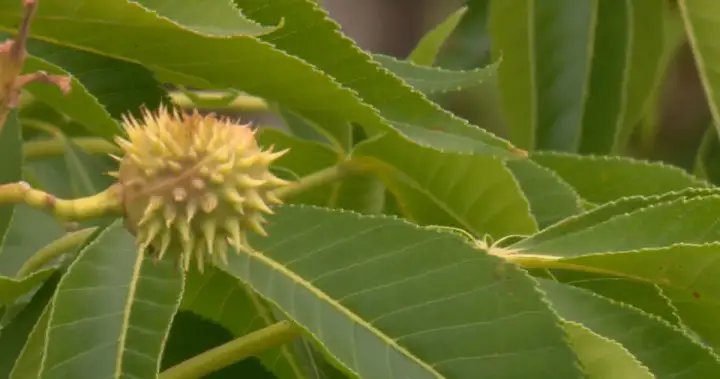
A tree species planted by the city is causing a stir in the Northwest Calgary community of Cambrian Heights.

The Ohio Buckeye is popular for providing shade and changing with the seasons. However, the nut it produces can be toxic to pets if ingested.
Several of these trees, which are producing the nuts, are currently planted in the Cambrian Heights dog park.
“Some residents have reported in the past, these trees being potentially hazardous to their dogs,” says Daryl Connolly, the president of the Cambrian Heights Community Association.
“We’ve passed that comment on to parks, and the response has been that their specialist in tree planting are aware of the issue but obviously don’t think its a major concern or concern enough to do anything about the trees.”
If ingested, the nut of the Ohio Buckeye can cause vomiting, diarrhea or bring on complicated medical issues for pets.

Get daily National news
Get daily Canada news delivered to your inbox so you’ll never miss the day’s top stories.
Dr. Julie Schell, a veterinarian at Bow Bottom Veterinary Hospital, says that more consideration is needed when deciding what flora and where.
“We need to be thinking thoroughly and proficiently because everything might look beautiful, to see some of these flowers. It might look safe and beautiful at certain times of the year but we have to watch what’s going to happen year round. Especially during the fall harvest when the leave and the nuts and the berries together are on the ground so it’s important to work together with ecologists, agriculturists, veterinarians.”
If a pet owner suspects their animal has eaten an Ohio Buckeye nut, Schell recommends calling their vet straight away. Sometimes they can diagnose symptoms over the phone, Schell adds, but most incidents require a trip to the clinic to induce a purge.
In a statement to Global News, the City of Calgary says:
“One of our key goals in urban forestry is to promote biodiversity by planting a wide variety of tree species in public spaces. While some trees and plants may have naturally occurring toxic traits that could pose risks if ingested by humans or animals, the likelihood of such incidents is very low.
“As responsible pet owners, it’s important to remain vigilant and discourage pets from ingesting any foreign objects—especially in public areas where a range of vegetation is present. This helps ensure both their safety and the continued health of our urban forest.”