dailynewsnblog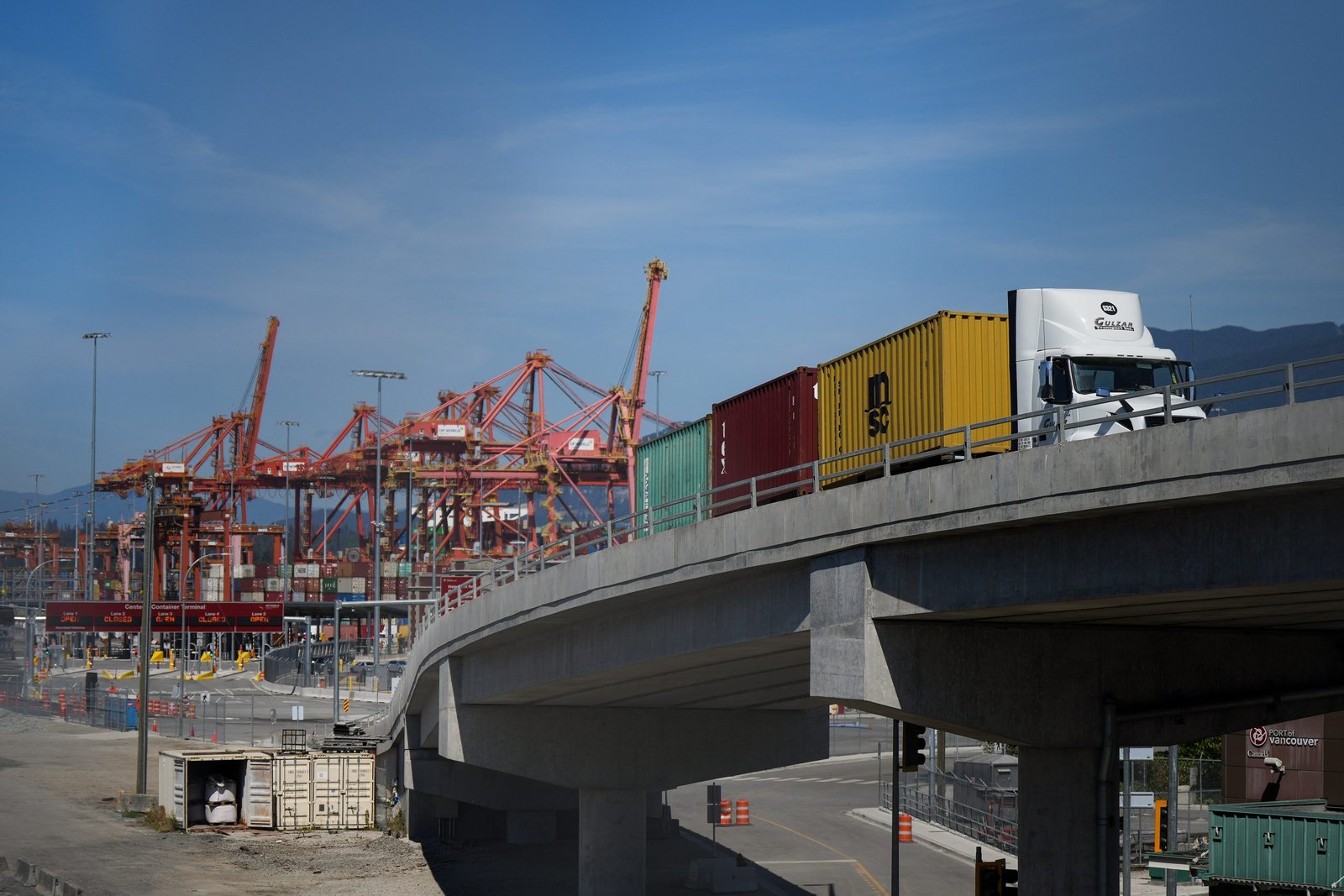
“The Port of Vancouver is the most important port we have… because it is the most efficient way to get from the prairies to tidewater, and there’s no question that if we don’t start working on the infrastructure writ large… we will not be successful with our trade diversification,” said Michael Bourque, president of Fertilizer Canada.
A coalition of exporters and manufacturers is calling on the federal Liberals to address a key transportation link to the Port of Vancouver, warning that failing to shore up the aging Second Narrows rail bridge risks jeopardizing Canada’s status as a reliable trading partner.
The group penned a letter to Prime Minister Mark Carney and Transport Minister Steve MacKinnon last week, demanding the government come up with a “long-term solution” for the bridge that “reflects the national importance of this corridor, the shippers that depend on it, and the economic growth potential that this corridor holds.”
Michael Bourque, president of Fertilizer Canada, one of the signatories of the letter, said that Carney’s efforts to diversify Canada’s trading partners are dependent on the smooth operation of the ports, and Second Narrows represents a “single point of failure” that could stall shipments for producers across Western Canada.
“The Port of Vancouver is the most important port we have… because it is the most efficient way to get from the Prairies to tidewater, and there’s no question that if we don’t start working on the infrastructure writ large… we will not be successful with our trade diversification,” he said.
Second Narrows is a single-track lift bridge that connects the Vancouver area’s North Shore terminals to the rest of Canada. It’s owned by Canadian National — not the federal government.
Built in 1969, producers say it wasn’t designed to handle the freight volumes or train lengths that use the bridge to access terminals in the Burrard Inlet.
Despite its limitations, the bridge has become a critical artery for producers using the port, and when it malfunctioned in late February, it restricted marine and rail traffic in the region for four days.
Even when operating, Bourque said the bridge’s limitations mean shippers are faced with persistent congestion, rail delays and missed vessel windows.
As Canada eyes new markets in the Pacific region as well as South America, he warned that increasing shipments at the port wouldn’t be possible without addressing the rail bridge.
“The transportation network going to the ports, and particularly to the Port of Vancouver, really needs some investment and needs some changes, because again, it is the number one risk and vulnerability moving product from the Prairies to the Port of Vancouver,” he said.
“The Second Narrows Bridge happens to be an important part of it, and and emblematic of the age of the infrastructure and the vulnerability of the infrastructure.”
In a statement to iPolitics, MacKinnon’s office said it understands the importance of the bridge to the viability of the port, but noted that it doesn’t own the Second Narrows.
Still, the office promised that Transport Canada would “continue to work closely with stakeholders across the supply chain including industry partners, port and rail operators, Indigenous communities, and all levels of government to strengthen Canada’s trade corridors and support long term economic growth.”
Despite the focus on Second Narrows, Bourque said it’s only one of the infrastructure challenges facing producers using the port, pointing to the Westminster Bridge and other parts of the transport network such as longer sidings and deep bottlenecking.
Labour remains another concern for producers, he said, with longshore workers expected to begin talks with B.C. ports’ employers in the fall.
The previous deal in 2023 was reached only after a tumultuous two-week strike that shuttered the ports and prompted federal intervention.
After the strike, the Liberals ordered an industrial inquiry commission to examine labour issues at the West Coast ports. The commission’s report, filed last spring, made several recommendations that touched on geographic certifications for workers and the use of s. 107 of the Canada Labour Code, which gives the government broad powers to act to maintain industrial peace.
READ MORE: Industry expresses concerns about delay in starting consultations on labour challenges in federally-regulated sectors
Jobs Minister Patty Hajdu announced last month that she would stand up “targeted virtual and in-person roundtables” to discuss issues flagged in the report as well as other issues in the labour space. These consultations are set to run until May 25.
Those in industry raised concerns about the government waiting nearly a year to start discussing the findings of the report, but expressed support for the wider scope of the consultations.
While others have criticized the government for not focusing on issues around labour at the ports, Bourque said he believes Minister MacKinnon is “being very ambitious and very assertive on this,” though noted that it “doesn’t mean that he’s got alignment everywhere.”
“[In] part of the system [there] is built-in inertia, and this is where we need leadership. We need people to be taking risks and willing to break things, and that includes making decisions that maybe not everybody’s happy with,” he said, adding that Canadians understand the need for decisive action to remove hurdles to boosting our economy.
“I think everybody does agree with this goal, and, and we’re at a point in history where I don’t think there’s ever been greater consensus by the Canadian population on what we need to do. It’s not something that can wait around. We should have been doing this 10 years ago, or longer.”
Organized labour is already lining up to signal they won’t stand by idly if the government uses this process to weaken bargaining rights.
Bea Bruske, president of the Canadian Labour Congress, told iPolitics last month that Canada’s unions would participate in the consultations with “one clear goal — to strengthen labour rights for Canada’s workers.”
“We will work with the government to remove barriers to unionizing and empower workers to bargain for better deals. And we would fight back against any attempt to undermine workers’ right to strike, as we’ve done whenever governments have taken away workers’ rights.”
In any case, sources who spoke to iPolitics in industry and organized labour say they’re unsure what exactly the Liberals will do with the prospective legislation that emerges from the consultations.
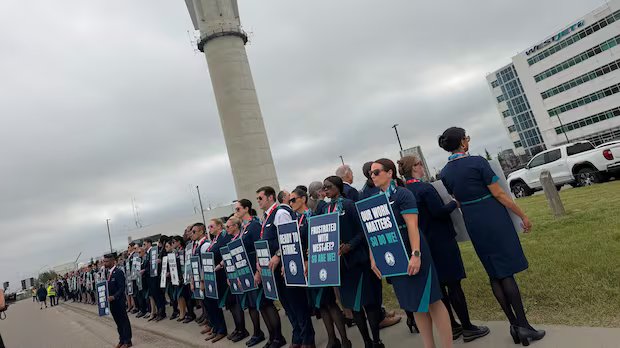
While industry has vocally called for changes to stop the frequent labour disruptions at the West Coast ports, labour wants the feds to curtail their expansive use of s. 107, which has been invoked to end disputes at the ports, railways and even Air Canada last fall.
A legal challenge against the government’s use of s. 107 continues to make its way through the courts.
In media interviews, Hajdu has repeatedly stressed that the right to strike is protected by the Charter and consultations are focused on improving processes to help reach negotiated agreements.
Hadju’s office told iPolitics in a statement the consultations were “expressly designed to receive feedback from unions and other stakeholders about measures to strengthen worker protections, the collective bargaining process, and the labour framework as a whole.”
“While a broad range of initiatives are included in the consultation paper, any policy, regulatory, or legislative changes would be informed by the feedback we receive, ensuring modern labour policies reflect the distinct challenges of today’s workspaces,” the statement read.
“We have been clear that this government will always protect the rights of Canadian workers, including the right to strike.”
The Liberals have also launched consultations on possible changes to the Canada Marine Act and the Canada Transportation Act, which include exploring the potential divesture or amalgamation of port authorities, as well as a plan to give the transport minister the power to designate ‘national trade corridors,’ complete with performance benchmarks.
Those consultations will conclude on June 7.