dailynewsnblog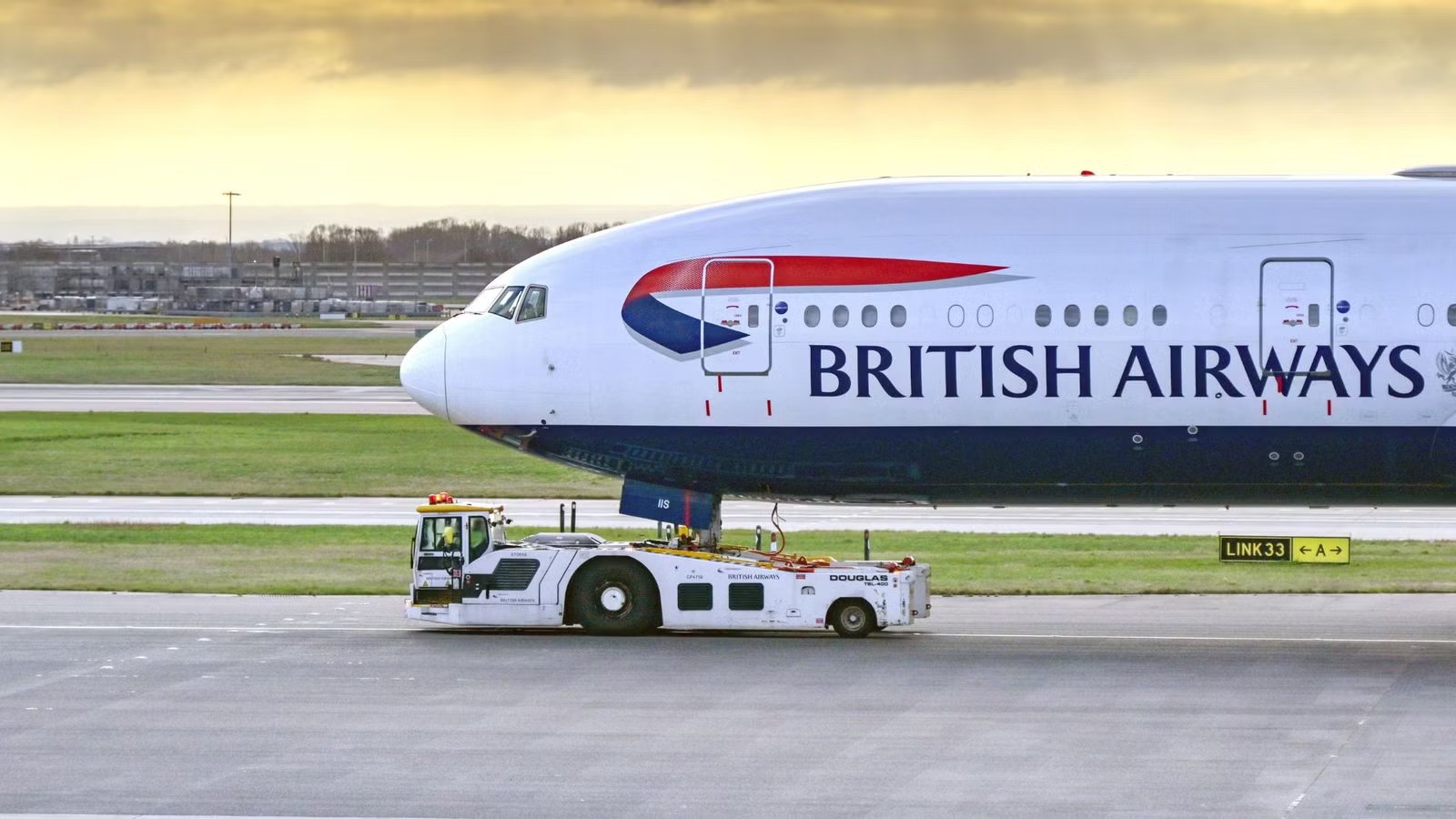
 British Airways is recruiting pilots for a specialized ground operations role at
  Chicago O’Hare International Airport (ORD), offering salaries of up to $100,000 per year. The airline is hiring “taxi crew” pilots to move aircraft on the ground, rather than operate flights in the air. The roles are currently being advertised as part of the airline’s US operations expansion and efficiency drive. British Airways aims to reduce delays and improve turnaround times at one of its busiest North American hubs.
Chicago O’Hare is one of the busiest airports globally, handling over 70 million passengers annually and thousands of daily aircraft movements. Congestion on taxiways and apron areas frequently contributes to delays, especially during peak periods and adverse weather. By introducing dedicated taxi pilots, British Airways is attempting to streamline aircraft movements between gates and runways. The move reflects a wider industry push toward operational specialization and improved on-time performance.
British Airways Introduces Dedicated Taxi Pilot Roles

The taxi crew role requires pilots to already hold a valid Air Transport Pilot (ATP) certificate or equivalent, along with appropriate type ratings or experience. Responsibilities include conducting pre-taxi checks, communicating with ground control, and safely maneuvering aircraft between stands and runway holding points. These pilots will operate widebody aircraft such as the Boeing 777 and 787, which British Airways regularly deploys on transatlantic routes. However, they will not be involved in takeoff or landing phases, which remain the responsibility of flight crews.
The advertised salary of up to $100,000 places the role above many regional airline first officer positions in the United States. British Airways is also expected to provide standard employment benefits, including healthcare and retirement contributions, though exact packages may vary. The role is shift-based, covering early mornings, late nights, and weekends to align with flight schedules. This structure ensures continuous ground movement support during peak operational windows. The position, advertised by the airline, states:
“Currently, British Airways has an exciting opportunity open for ground taxi pilots. This position will be based in Chicago (ORD). The base salary range for this position is $90,000 – $100,000 per year, depending on experience, skills, qualifications, and location. This range represents our good faith estimate of the compensation for this role at the time of posting.”
Key Requirements, Salary & Operational Impact

Aircraft taxiing can account for a significant portion of total delay time at congested airports like O’Hare, particularly during winter when de-icing adds complexity. Rather than fully separating duties, British Airways’ taxi crew concept supports flight operations by handling specific ground movements, easing pressure on primary crews. This can help reduce turnaround bottlenecks and improve aircraft utilization without fundamentally changing pilot responsibilities. Faster gate-to-runway transitions ultimately support tighter scheduling and better on-time performance.
The aviation industry continues to face a pilot shortage, particularly in North America, although shifting market dynamics, such as the collapse of Spirit Airlines, may influence supply. Roles like taxi crew could help retain experienced pilots seeking more stable, ground-based work while still contributing operationally. Similar approaches have been used in cargo and ground handling, but remain uncommon among major passenger airlines. If effective, British Airways’ model could still expand to other congested hubs like New York JFK or Los Angeles, though likely as a complementary function rather than a full operational split.
British Airways operates multiple flights between Chicago and  London Heathrow Airport (LHR), making O’Hare a critical gateway in its transatlantic network. Efficient ground handling at this airport directly impacts the airline’s broader schedule reliability and customer satisfaction.
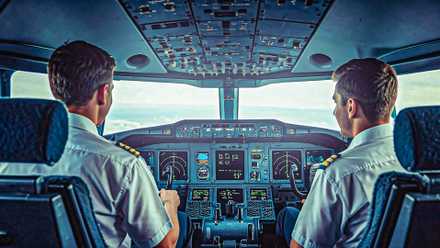
First Officers Vs. Captains: Understanding The Pilot Pay Gap
From first officer to captain: navigating the salary spectrum.
What This Means For Airport Efficiency & The Future of Pilot Roles

Taxiing large aircraft like the Boeing 777 can burn hundreds of kilograms of fuel per hour, making efficiency improvements financially significant. Dedicated taxi pilots may help optimize engine usage, reducing unnecessary fuel burn and emissions. Some airports are also exploring electric towing vehicles as an alternative to traditional taxiing. These developments highlight the increasing focus on sustainability in ground operations.
Historically, pilots have always been responsible for both ground and flight operations, but rising complexity in airport environments is changing that model. Automation and improved ground radar systems have made it easier to standardize taxi procedures. In the future, semi-autonomous taxiing systems could further reduce pilot workload. Until then, human-operated taxi crews may serve as an effective interim solution.
Overall, British Airways’ taxi crew initiative combines operational efficiency, cost management, and workforce flexibility. If it proves effective, it could signal a meaningful shift in how airlines structure pilot responsibilities worldwide.