dailynewsnblog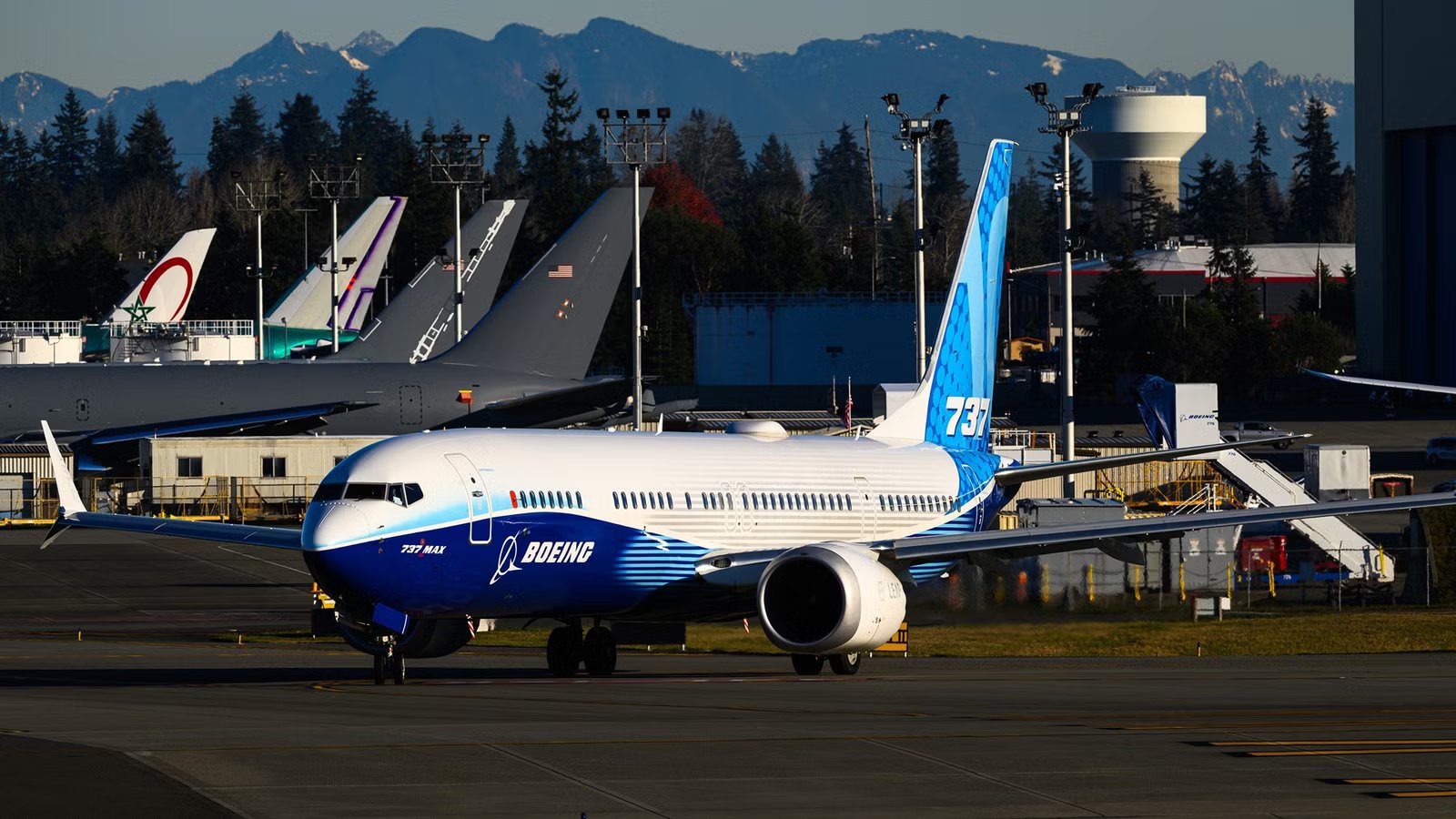
US-based aerospace manufacturer  Boeing is preparing to add a new chapter to the airline’s Boeing 737 program, with a final assembly plant on the books for construction in Everett, Washington. The company says that its fourth Boeing 737 MAX line, which has been nicknamed the North Line, is slated to come online in mid-summer 2026, extending single-aisle production beyond the long-running Renton site for the first time.
But the ramp is turning more cautious. Boeing’s next output milestone of 47 737 MAX jets a month, which was once widely expected to be reached in 2026, is now on the books for 2027 as the planemaker works through training, quality controls, and FAA stability requirements. Once the line has cleared FAA scrutiny, this remains a reminder that capacity plans move only as fast as safety.
A Dynamic & Capable New Production Line

Everett, Washington’s new Boeing 737 MAX North Line is Boeing’s first 737 final-assembly line outside of Renton, using freed-up widebody space to add resilience and headroom without shutting down its Renton facility. It also taps into Everett’s deep, experienced workforce. Boeing is currently planning to activate the new facility in the middle of the summer of 2026, but it will not instantly lift output. The line has to be staffed, trained, and stabilized under intensified oversight from the FAA.
The FAA’s post-2024 scrutiny effectively links any rate increase to demonstrable quality performance, so that Boeing is sequencing changes to get Renton’s production capabilities stable at 42 jets per month, before seeking out approval to jump up to 47. That gating and supplier readiness are the new controls that will determine how quickly Boeing can expand production capabilities. The company maintains a long-run ambition of 63 737 MAX jets per month.
How Does This Affect The Boeing 737 MAX Program As A Whole?

Boeing’s decision to add a fourth final assembly line for the MAX program in Everett is a capacity-and-resilience move for the program that also signals that the recovery will be paced by stability and not ambition. In the near-term, the North Line will not magically unlock higher output. Boeing is still working to prove repeatable quality at the FAA’s approved level, which at this point in time sits below the company’s objectives, according to Reuters.
The next step will likely be a 47 a month rate in 2027. This delay matters because the MAX program is Boeing’s key cash engine, with slower rate ramps meaning that a slower climb in deliveries and less flexibility will burn down the company’s backlog. In the longer term, Everett gives Boeing another lever to reach its stated 63-per-month goal.
This reduces single-site risk at Renton, and it builds out a deeper labor pipeline. It also forces suppliers and teams to ramp up in lockstep, minimizing overall reworking effort. This makes the message to airlines clear that more capacity is coming, but on the regulators’ timelines. These are all factors management has to carefully consider as it prepares to push forward with its growth and expansion strategies for 2026.

Boeing Announces Plans For New 737 MAX 10 Production Line In Everett
The move will also free up capacity in Renton as Boeing looks to scale up MAX 8 and MAX 9 production.
What Are Boeing’s Goals For 2026?

Boeing’s 2026 objectives are fairly well-defined. The manufacturer aims to stabilize production, finish key certifications, and turn the operational corner financially. On the factory side, the priority is proving repeatable quality at the FAA’s 42-per-month approved rate while expanding their capabilities with an Everett production line.
Beyond the 737 MAX program, Boeing aims to stabilize Boeing 787 output at eight jets per month and begin delivering enhanced 787 variants in the first half of the year, supporting higher-value long-haul missions for customers. Regulators are the primary gating factor for the overall backlog.
Boeing is aiming to complete 737 MAX 7 and 737 MAX 10 certification in 2026 and keep the 777X certification campaign moving, with flight testing to continue with a production aircraft. Finally, management has framed 2026 as a year for it to return to positive free cash flow while it integrates Spirit AeroSystems and improves execution across the enterprise.