dailynewsnblog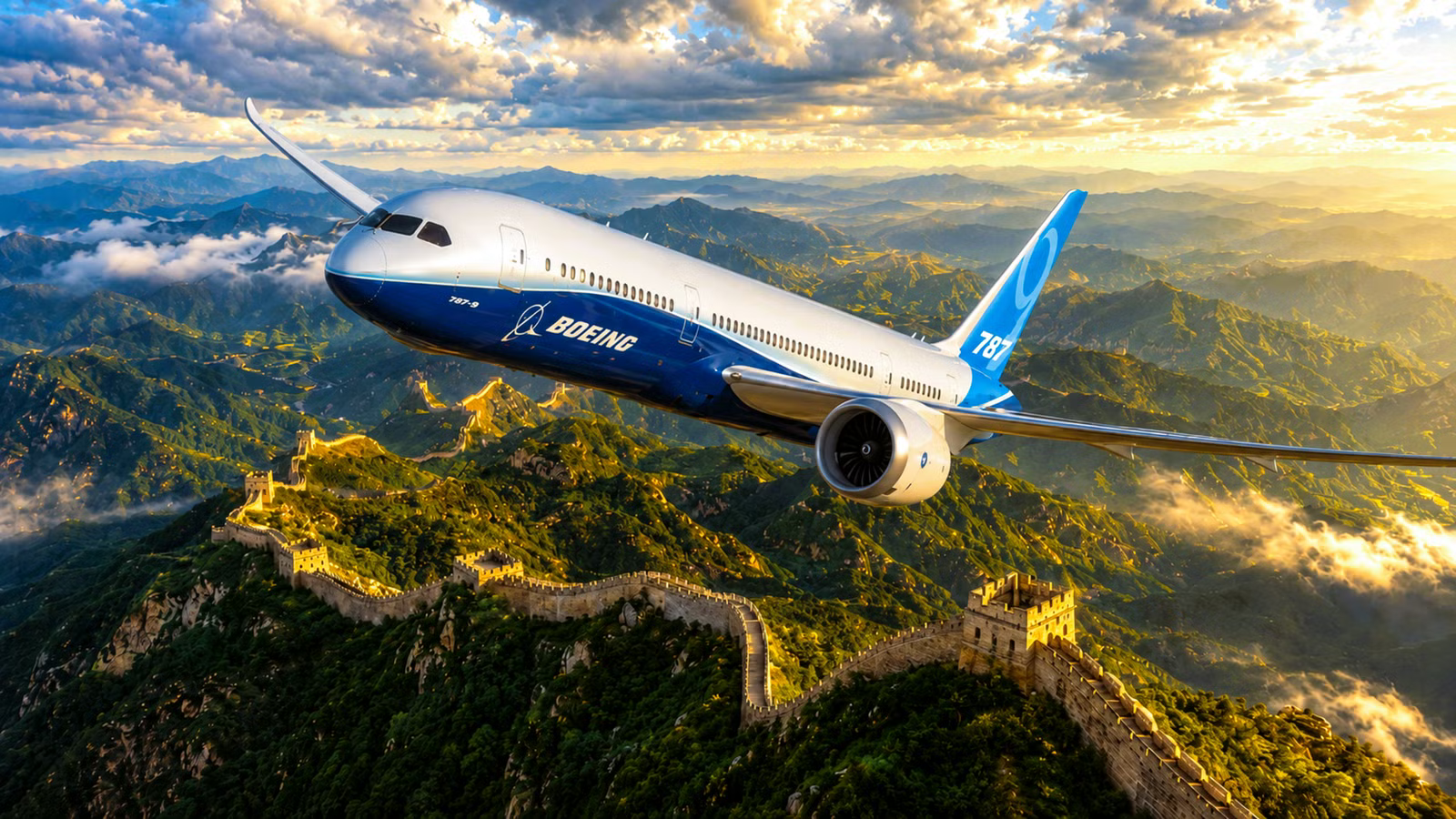
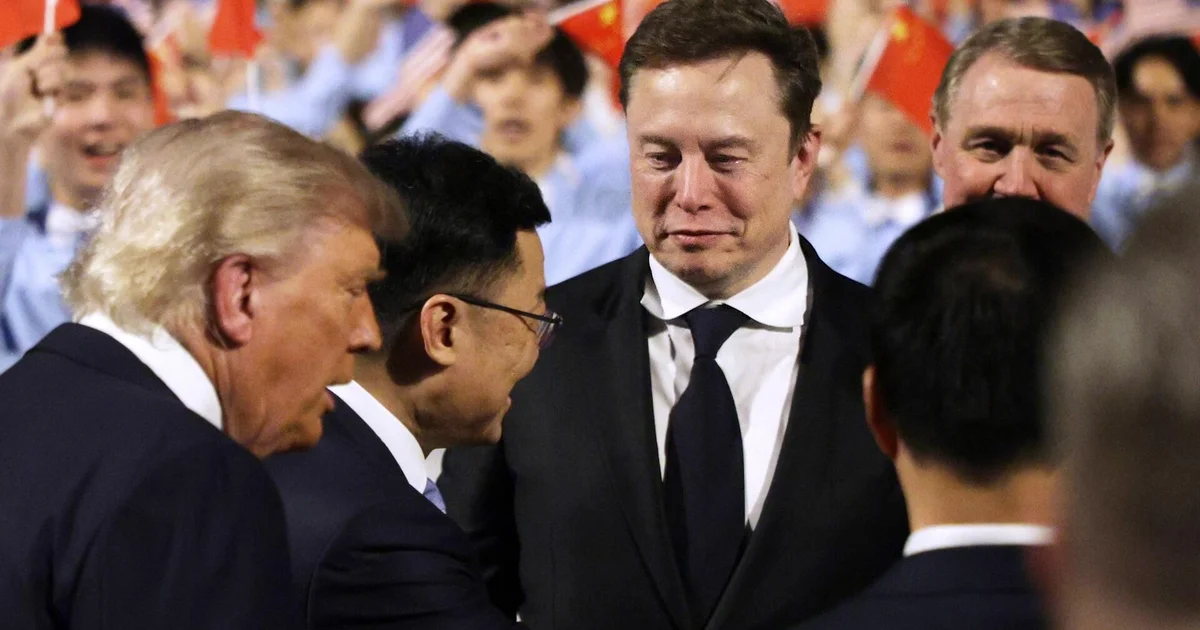
President Donald Trump says China has agreed to buy 200  Boeing aircraft, potentially ending one of the most critical sales droughts in the manufacturer’s recent commercial history. Speaking to Fox News, Trump said Boeing had wanted a 150-aircraft deal, but that China had agreed to purchase 200 jets instead.
Reuters reported the comments during Trump’s visit to Beijing, where aircraft, energy, agriculture, and broader US-China trade flows were all part of the diplomatic agenda. At this stage, there has been no confirmed breakdown of aircraft types, although it is expected that the order will be heavily dominated by the resurgent Boeing 737 MAX.
We also await clarity on airline customers, delivery years, contract value, and whether the agreement is a firm order, a framework deal, or a political commitment that still needs to be firmed up. Either way, it is excellent news for Boeing, which has been effectively locked out of China since before the MAX crisis.
Trump Says China Has Agreed To 200 Boeing Jets

Reuters reports that Trump made the 200-aircraft claim during an interview with Fox News host Sean Hannity. He stated that the agreement had come during his ongoing meetings with Chinese President Xi Jinping in Beijing, saying:
“One thing he agreed to today, he’s going to order 200 jets … Boeing wanted 150, they got 200.”
US Treasury Secretary Scott Bessent had earlier signaled that a large Boeing order could be announced during the China visit, saying aircraft purchases were part of the wider effort to increase US exports to China. The trip includes Boeing CEO Kelly Ortberg, who is among a contingent of senior American business leaders who have traveled with Trump.
The announcement comes after weeks of speculation that Boeing was pursuing a far larger China package. Reuters reported in April that Boeing and China had been in prolonged talks over a potential agreement that industry sources said could include 500 737 MAX aircraft, plus dozens of widebody jets.
That makes the 200-aircraft figure significant: it could represent the first tranche of a broader package, or a scaled-down agreement than is much smaller than the anticpated 500+ aircraft order. Boeing shares were down more than 4% in early afternoon trading as the market reacted to what appears to be a smaller-than-expected order.
What is also not yet clear is whether Trump’s description of “large aircraft” means anything specific. In aviation terms, this would suggest widebodies such as the 787 or 777X. But in Trump-speak, it could simply mean commercial aircraft. Previous Chinese bulk aircraft purchases from the two major manufacturers have generally been dominated by narrowbodies, especially Boeing 737-family and Airbus A320-family aircraft, with widebodies making up a far smaller component.
Boeing’s First Major China Deal In Nearly A Decade

If formalized, the deal would be Boeing’s first major state-linked Chinese aircraft order since 2017. That year, Boeing and the Civil Aviation Administration of China (CAAC) signed a 300-aircraft agreement during Trump’s first presidential visit to China. Reuters reported the deal as being worth $37 billion at list prices, with the package including 260 737s and 40 777s and 787s.
|
Date |
Aircraft |
Number |
Notes |
|---|---|---|---|
|
May 2026 |
Not disclosed |
200 |
Trump says China has agreed to buy 200 Boeing jets |
|
November 2017 |
737, 777, 787 |
300 |
Boeing’s last major state-linked China aircraft package |
|
September 2015 |
737 |
300 |
Announced during Xi Jinping’s US visit |
|
October 2013 |
737 |
200 |
Major narrowbody-only order |
|
January 2011 |
737, 777 |
200 |
Covered deliveries from 2011 to 2013 |
Boeing used to book orders in China every couple of years, so the nearly decade-long gap since 2017 is central to the story. A confirmed deal would mark a major reversal in Boeing’s bruised relationship with China. In March 2019, China became the first country to ground the 737 MAX after the Ethiopian Airlines crash, which followed the earlier Lion Air disaster. China not only moved before the FAA, but it’s ban lasted longer than any other major market’s, keeping the MAX effectively sidelined there for four years.
Deliveries resumed in January 2024, but Boeing’s recovery in China remained uneven, with shipments repeatedly disrupted by regulatory reviews. The scale of the freeze is striking: Fortune reported that Boeing has delivered just over 100 aircraft to China since the MAX crisis began roughly seven years ago — about the same number of MAX jets that Chinese customers accepted in 2018 alone.
500 Jets? Boeing’s Biggest Comeback Deal Comes Into View As CEO Joins Trump On China Trip
A landmark aircraft agreement between Boeing and major Chinese airlines may be on the horizon.
Airbus Has Been Making Hay In China

Boeing’s drought has been Airbus’ opportunity. While Boeing waited for the MAX to return to normal service in China and for political relations to thaw, Airbus continued converting Chinese demand into large aircraft agreements. It’s dominance over Boeing started in 2019, when CAAC placed an order for 300 aircraft, and since then, the European manufacturer has signed multiple large orders with CAAC and directly with airlines.
|
Date |
Buyer / Channel |
Aircraft |
Number |
Notes |
|---|---|---|---|---|
|
March 2019 |
CAAC |
290 A320 family; 10 A350-900 |
300 |
Major state-linked Airbus agreement signed during Xi Jinping’s visit to France |
|
July 2022 |
Air China, China Eastern, China Southern, Shenzhen Airlines |
A320 family |
292 |
Airbus confirmed orders from four Chinese carriers |
|
April 2023 |
CAAC |
150 A320 family; 10 A350-900 |
160 |
Airbus described this as a GTA allocating aircraft to Chinese airlines |
|
December 2025 |
Air China + subsidiary |
A320neo family |
60 |
Deliveries scheduled from 2028 through 2032 |
|
2025–2026 wave |
China Eastern, China Southern, Xiamen Airlines, Air China, Spring, Juneyao |
A320neo family |
350+ |
A large wave of recent Airbus agreements |
Airbus’ China position was further strengthened by industrial ties. The company has an A320-family final assembly line in Tianjin, where last year it added a second final assembly line, expanding local production capacity there as part of a broader set of agreements with Chinese aviation partners. That gives Airbus more than just a sales presence in China; it gives the manufacturer an embedded industrial footprint that Boeing has struggled to match.
That is why Trump’s reported 200-aircraft Boeing agreement could be so important. China is set to become the world’s largest aircraft market by the early 2040s, with its commercial fleet predicted to double to nearly 10,000 aircraft by that point. Boeing cannot afford to remain a marginal player there while Airbus absorbs waves of narrowbody demand.
A confirmed 200-jet order won’t erase years of lost momentum, nor will it immediately solve Boeing’s delivery constraints. But it would put Boeing back into direct competition in China, and more importantly, signal that one of the most damaging commercial-aircraft freezes may finally be beginning to thaw.