dailynewsnblog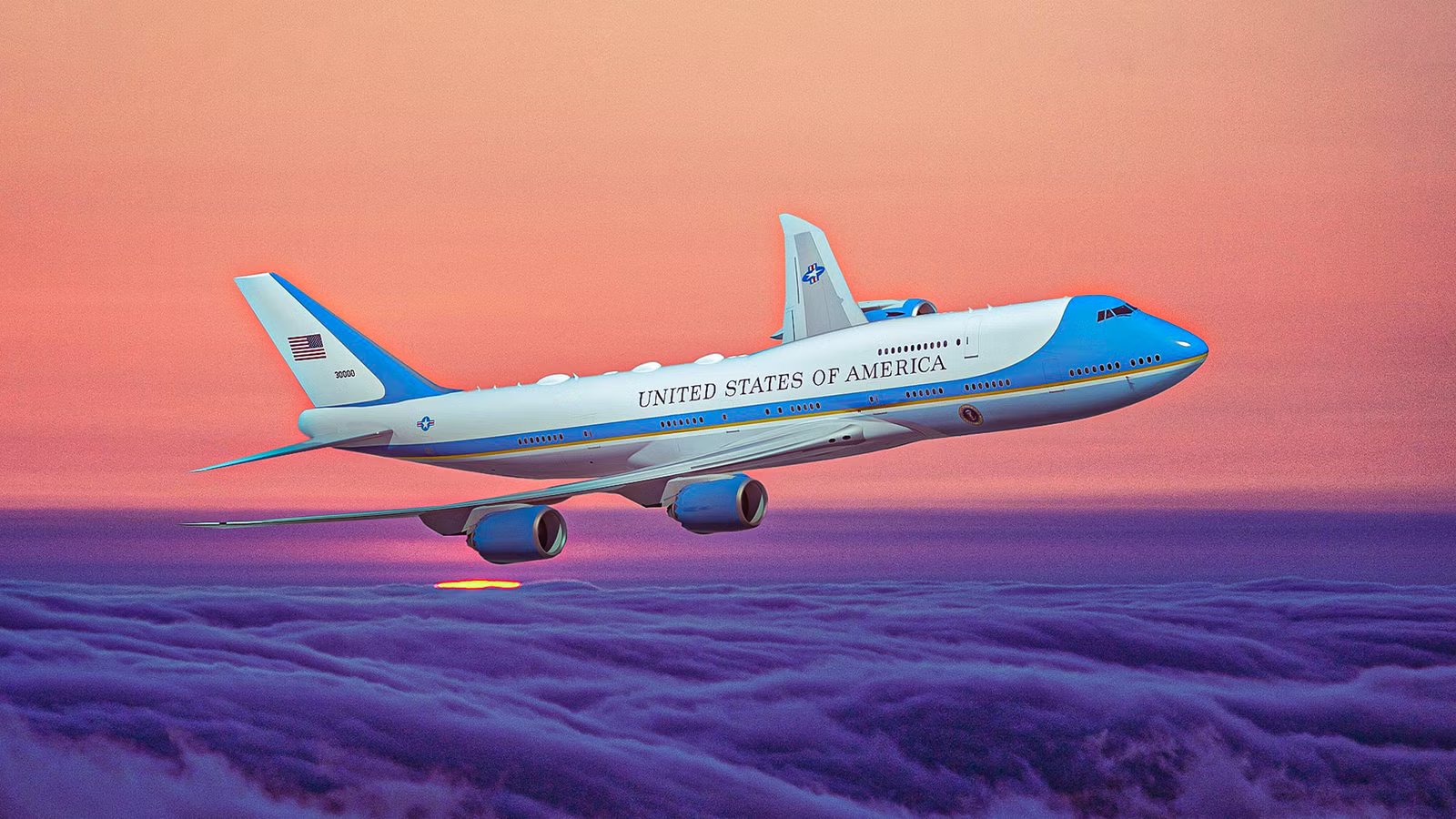
For decades,  Boeing built its reputation on delivering aircraft that shaped global aviation, from the legendary Boeing 747 to the hugely successful Boeing 737 family and the game-changing Boeing 787. Airlines routinely structured long-term fleet plans around Boeing’s production schedules, trusting the manufacturer to deliver new aircraft on time so older jets could be retired and new routes launched without disruption. Over the last several years, however, that confidence has steadily eroded as Boeing has struggled with repeated delays, certification setbacks, regulatory scrutiny, and supply chain disruptions across multiple programs.
What was once viewed as a series of isolated problems has now become a broader production and delivery crisis affecting nearly every major Boeing program. By early 2025, the US manufacturer was sitting on dozens of undelivered aircraft, including 737 MAX variants parked for years awaiting certification and more than 20 completed 787s still waiting to reach customers. The delays have forced airlines to overhaul fleet strategies, extend the life of older aircraft, and spend billions compensating for missing deliveries. Let’s take a closer look…
Boeing’s Growing Inventory Problem

One of the clearest signs of Boeing’s ongoing difficulties is the extraordinary number of completed aircraft that remain undelivered. While manufacturers always maintain a small inventory of parked jets, Boeing’s backlog has reached unusually high levels as production continues to outpace certification and delivery approvals.
As of last year, Boeing’s stored inventory included 30 Boeing 737 MAX 8s, 26 737 MAX 7s, four 737 MAX 10s, and 21 787s. Some of these aircraft have been parked for years, particularly the Boeing 737 MAX 7 fleet, which has averaged more than three years in storage while Boeing continues working through certification requirements.
The issue reflects a much larger problem inside Boeing’s production system. The manufacturer has spent years recovering from the worldwide grounding of the 737 MAX following two fatal crashes, while also dealing with pandemic-era supply chain disruptions and increased regulatory oversight from the US Federal Aviation Administration (FAA). More recently, the  Alaska Airlines 737 MAX 9 door plug incident triggered even more scrutiny of Boeing’s manufacturing processes, slowing production ramp-ups and increasing inspection requirements.
For airlines, the consequences are significant. Aircraft that were supposed to arrive years ago are still missing from fleets, forcing carriers to retain older jets longer than expected, delay route launches, and spend more on maintenance and leasing costs. Boeing also cannot collect final payments on aircraft that customers have not accepted, meaning billions of dollars remain tied up in parked inventory.

How Aircraft Delivery Delays May Affect Boeing’s Cash Flow
China’s delivery delays look set to hurt Boeing’s cash flow, and this could get much worse if more countries start delaying.
The 777X Is Boeing’s Biggest Commercial Delay

Shutterstock | Simple Flying
No Boeing program better represents the company’s delivery crisis than the Boeing 777X. When Boeing launched the aircraft in 2013, it was expected to enter service in 2020 as the next flagship long-haul aircraft for major global airlines. Instead, Boeing has now pushed the first delivery back to 2027, turning the program into one of the most delayed commercial aircraft developments in modern aviation history.
The aircraft was designed as an advanced evolution of the highly successful 777 family, featuring larger composite wings, folding wingtips, and powerful General Electric GE9X engines. Airlines were attracted by promises of better fuel efficiency and lower operating costs, particularly for high-capacity long-haul routes. However, certification setbacks and tighter regulatory oversight after the 737 MAX crisis dramatically slowed progress. Boeing has already taken a $4.9 billion pre-tax charge related to the delays, underlining just how costly the situation has become.
The delays have created major headaches for airlines that planned around the aircraft years ago. Lufthansa has repeatedly postponed the introduction of the aircraft into its fleet, while Cathay Pacific has shifted expectations for delivery to early 2027.  Emirates, which is by far the largest 777X customer with 270 aircraft on order, has been particularly affected. The largest orders for the 777X family are outlined in the table below:
Ranking | Airline | Boeing 777-8 | Boeing 777-9 | Boeing 777-8F | Total |
|---|---|---|---|---|---|
1 | Emirates | 35 | 235 | – | 270 |
2 | Qatar Airways | – | 90 | 34 | 124 |
3 | Cathay Pacific | – | 35 | – | 35 |
4 | Singapore Airlines | – | 31 | – | 31 |
5 | Lufthansa | – | 20 | 7 | 27 |
6 | British Airways | – | 24 | – | 24 |
7 | China Airlines | – | 19 | 4 | 23 |
8 | All Nippon Airways | – | 18 | 2 | 20 |
9 | Korean Air | – | 20 | – | 20 |
10 | Air India | – | 10 | – | 10 |
Because Boeing has not delivered the aircraft on schedule, Emirates has spent around $5 billion refurbishing and upgrading existing aircraft to bridge the gap until the 777X finally arrives. That investment highlights the enormous knock-on effects delayed deliveries can create for airlines operating large long-haul networks. The cargo version of the aircraft, the 777-8 Freighter, has also suffered delays and is now expected around 2028. With demand for modern cargo aircraft remaining strong, the delay has frustrated freight operators hoping to modernize aging fleets.
The MAX 7 And MAX 10 Are Still Waiting For Certification

While the Boeing 777X dominates headlines because of its seven-year delay, Boeing’s uncertified 737 MAX variants represent another major problem for the company. The 737 MAX 7 and 737 MAX 10, intended to complete the full MAX family lineup, remain uncertified years after Boeing originally expected them to enter service.
Boeing had once hoped the 737 MAX 7 would be certified around 2022, but the company now expects both the MAX 7 and MAX 10 to enter service sometime in 2026. A major setback emerged in January 2024 when Boeing revealed that the engine anti-ice system required redesign work after overheating concerns were identified during testing. Although the issue may sound relatively minor, certification standards for Boeing aircraft have become far stricter following the MAX grounding crisis. Regulators are now examining Boeing programs in far greater detail than before, contributing to slower approval timelines.
The delays have disrupted plans for several airlines. WestJet is expected to become the launch operator for the Boeing 737 MAX 10, while  Southwest Airlines has been counting on the 737 MAX 7 as an important replacement for older 737 aircraft. Without firm delivery dates, airlines are struggling to finalize fleet plans years into the future.
The Boeing 737 MAX 10 delay is especially problematic because the aircraft competes directly with the Airbus A321neo, which has become one of the industry’s most successful narrowbody aircraft. Every year Boeing fails to certify the 737 MAX 10 gives Airbus more time to strengthen its dominance in the higher-capacity single-aisle market. Meanwhile, completed but uncertified aircraft continue sitting in storage, requiring ongoing maintenance and preservation work while Boeing waits for regulatory approval.
Confirmed: Boeing 777X To Enter Service In 2027 After 7-Year & $15 Billion Delay
Boeing says the long-delayed aircraft remains on track for Lufthansa service in 2027.
The 787 Still Faces Delivery Bottlenecks

Unlike the Boeing 777X and the uncertified 737 MAX variants, the Boeing 787 is already well established in airline service around the world. Even so, the program continues suffering from delivery problems that are creating operational challenges for airlines. Although Boeing resumed 787 deliveries after earlier quality-control concerns, the pace remains well below previous expectations, and the manufacturer’s CEO confirmed that some completed aircraft are still being delayed by certification issues related to premium cabin interiors, particularly new business- and first-class seating products.
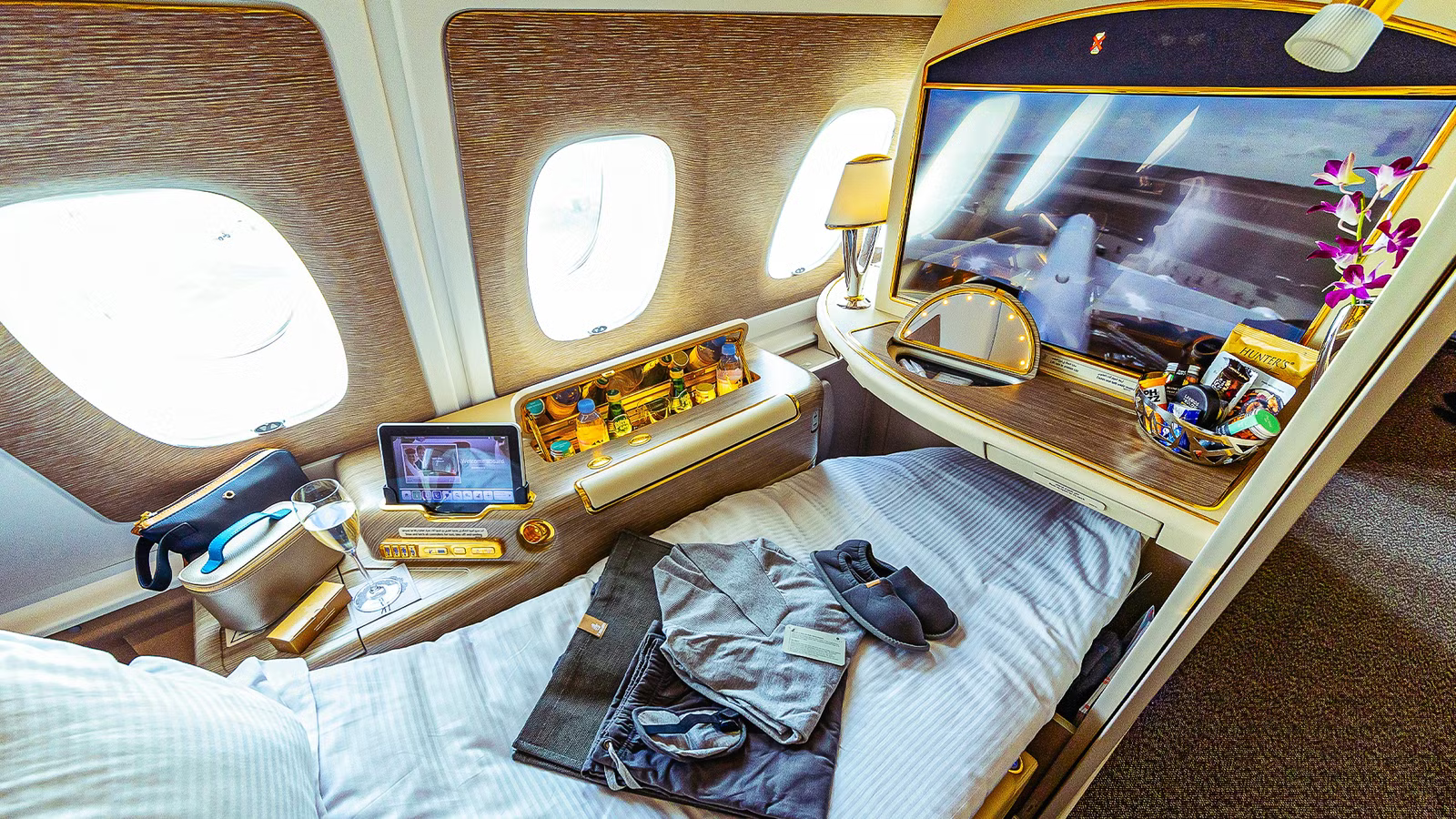
Modern premium cabins have become increasingly complex, with sliding privacy doors, integrated electronics, and highly customized layouts all requiring certification approval. As a result, some aircraft are physically complete but cannot enter service until their interiors receive final regulatory clearance. The Boeing 787 situation demonstrates how modern aircraft deliveries depend on far more than simply building an aircraft, and delays involving engines, seats, electronics, or certification paperwork can prevent airlines from receiving otherwise completed aircraft, creating ripple effects across route planning and fleet operations.
Air Force One Has Become Boeing’s Most Dysfunctional Program

If there is one Boeing project that fully captures the scale of the company’s ongoing problems, it is the VC-25B Air Force One replacement program. Boeing signed a fixed-price agreement in 2018 to convert two Boeing 747-8 aircraft into the next presidential transports for roughly $3.9 billion, with delivery originally expected by 2024. Instead, the first aircraft is now not expected until mid-2028, making the project around four years late. Boeing has already absorbed more than $2.4 billion in losses tied to the program, while overall taxpayer costs are estimated to have risen to roughly $6.2 billion.
The aircraft themselves are enormously complex, requiring advanced communications systems, defensive capabilities, and highly customized interiors. However, even accounting for that complexity, the delays have become extraordinary. At one point, the situation became so severe that the US government accepted a donated Boeing 747 from Qatar as a temporary solution while waiting for the VC-25B aircraft to be completed. The unusual move highlighted just how badly the program had slipped behind schedule. The Air Force One delays also reflect broader challenges inside Boeing’s defense division, where multiple programs have suffered cost overruns and scheduling problems in recent years.
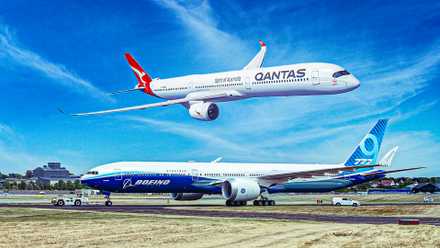
The Striking Differences Between The Boeing 777X & Airbus A350-1000
Find out how the Boeing 777X and Airbus A350-1000 Compete
Airlines Are Being Forced To Adapt

The long-term impact of Boeing’s delivery crisis extends far beyond the manufacturer itself because airlines across the world are now being forced to rethink how they manage fleet planning. Carriers traditionally make decisions years in advance based on promised delivery schedules, coordinating retirements, route launches, staffing, and maintenance around expected aircraft arrivals.
Repeated delays have disrupted that system, and airlines are extending the life of older aircraft longer than intended, increasing maintenance spending while sacrificing fuel efficiency. Others have turned to expensive short-term leases to maintain capacity while waiting for delayed Boeing aircraft. Emirates’ decision to spend billions retrofitting older aircraft illustrates the scale of the adjustments airlines are now making. Meanwhile, Airbus has benefited substantially from Boeing’s struggles, particularly in the narrowbody market where the A321neo continues attracting customers while the 737 MAX 10 remains uncertified.
For Boeing, fixing the technical and production issues may ultimately prove easier than restoring customer confidence. Airlines can tolerate occasional delays on complex aircraft programs, but the repeated pattern of shifting schedules across multiple Boeing families has fundamentally changed how many carriers view the manufacturer’s delivery forecasts.