dailynewsnblog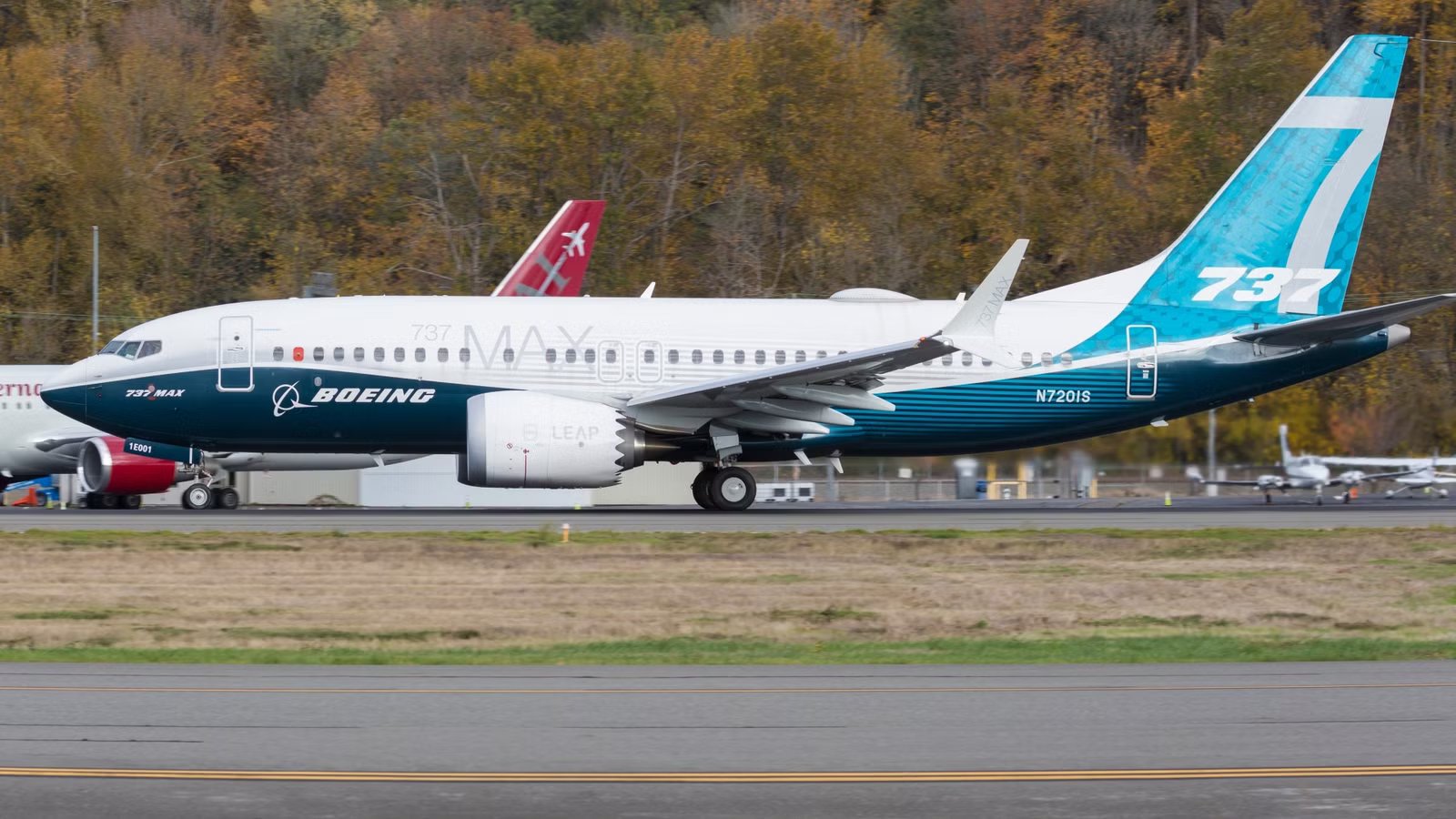
 Boeing appears close to rescuing a major
  Turkish Airlines order after a dispute over CFM engine maintenance and pricing put the agreement at risk. Four people familiar with the matter told Reuters that Boeing is nearing a final agreement for 150 Boeing 737 MAX aircraft, with the deal potentially signed as soon as next week. Boeing, CFM International, and Turkish Airlines have not publicly confirmed the development.
The aircraft are part of a larger package announced in September 2025, when Turkish Airlines agreed to acquire up to 75 Boeing 787 Dreamliners and committed to purchasing up to 150 additional 737 MAX jets. The MAX portion was later threatened by disagreements with CFM over engine pricing, maintenance, and long-term repair costs. A completed agreement would preserve one of Boeing’s largest recent single-aisle opportunities while supporting Turkish Airlines’ rapid expansion from Istanbul.
Engine Maintenance Became The Central Issue

The dispute centered less on the 737 MAX itself than on the economics of supporting its engines. The aircraft uses CFM International’s LEAP-1B, produced by a joint venture between GE Aerospace and Safran. Turkish Airlines wanted an industrial arrangement that would give it a greater role in maintaining those engines as its MAX fleet grows. According to industry sources cited by Reuters, the airline sought to establish a “premier” maintenance facility that would place it among CFM’s highest-tier maintenance partners. That status would provide accelerated access to newer repair technologies and expand Turkish Airlines’ capabilities in managing engine maintenance.
The negotiations also addressed who would absorb the financial risk from rising repair costs. Airlines are increasingly concerned about spare-parts prices and limited maintenance capacity, making engine support a significant part of new-aircraft negotiations. Reuters said it remained unclear whether an agreement had been reached on the proposed facility.
The MAX Order Supports Broader Fleet Growth

Turkish Airlines operates more than 400 Boeing and Airbus aircraft and has been pursuing substantial capacity growth. When Boeing announced the 2025 agreement, it said the combined 787 and MAX commitments would double Turkish Airlines’ Boeing fleet and support its 2033 goal of expanding to 800 aircraft.
The MAX commitment would also build on an aircraft type Turkish Airlines already operates. Its 737 MAX 9 entered service in 2019, giving the carrier existing experience with the LEAP-1B-powered family. A large follow-on order would therefore expand an established narrowbody fleet rather than introduce an unfamiliar platform.
The airline is not limiting its expansion plans to the MAX either. A senior Turkish Airlines finance executive said recently that the carrier is also evaluating regional aircraft such as the Embraer E2 and Airbus A220, along with larger models including Boeing’s 777X and Airbus’ A350-1000.
Why The Outcome Matters To Boeing

A finalized contract would also resolve an unusually visible threat to a Boeing deal. The original 225-aircraft agreement followed a meeting between Turkish President Tayyip Erdogan and US President Donald Trump. If Turkish Airlines had abandoned the MAX portion and switched to Airbus, it would have represented a high-profile reversal of an agreement associated with the two governments’ relationship. The deal also highlights how aircraft purchases are increasingly shaped by the economics of long-term support. Airlines are weighing not only acquisition prices and delivery schedules, but also engine availability, repair costs, spare-parts exposure, and access to maintenance capabilities. For a carrier planning hundreds of additional aircraft, those expenses can influence fleet economics for decades after the initial purchase.
For Boeing, retaining the Turkish Airlines MAX order would protect a substantial narrowbody commitment at a time when major airlines are making long-term fleet decisions around capacity growth and aircraft availability. It would also reinforce the manufacturer’s position with a carrier that already operates the MAX and is planning significant fleet expansion.
The immediate question is whether Turkish Airlines and CFM can finalize the maintenance arrangement that has held up the aircraft agreement. The proposed CFM “premier” facility remained under discussion, with the exact status of the arrangement unclear. If those negotiations are resolved, Boeing could move toward converting the long-delayed commitment into a firm order, while Turkish Airlines would gain greater clarity over the engine-support costs attached to its next generation of narrowbody aircraft.