dailynewsnblog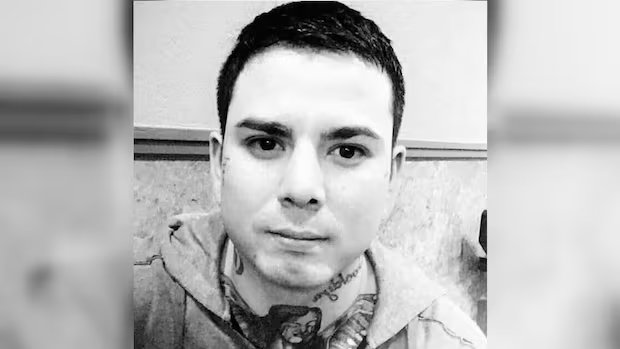

Listen to this article
Estimated 4 minutes
The audio version of this article is generated by AI-based technology. Mispronunciations can occur. We are working with our partners to continually review and improve the results.
WARNING: This story contains details and images that could be disturbing
Chase Sinclair says he doesn’t expect to find justice at the public inquest into the 2023 death of his friend Boden Umpherville, who died in hospital weeks after a run-in with Prince Albert police officers left him seriously injured.
“There is no justice. We missed that. They made sure of that, right?” Sinclair said in an interview with CBC, referring to a report from the province’s independent police investigator that cleared P.A. police of any wrongdoing.
“Justice isn’t an eye for an eye for me, but it’s accountability, whatever that looks like. Maybe they don’t deserve to be a cop anymore, at the very least,” Sinclair said.
The five-day provincial coroner’s inquest into Umpherville’s death starts Monday at Prince Albert Court of King’s Bench. A citizen jury will hear testimony from police officers, civilian witnesses and others.
Inquest juries determine the facts of a death, but do not determine blame. The jury can also make recommendations aimed at preventing similar deaths in the future.
Umpherville died in hospital on April 26, 2023 after he was taken off life support.
His death was the result of a cardiac arrest, caused by positional asphyxia — when a person can’t breathe due to the position of their body — and cocaine intoxication, according to the provincial coroner.
Sinclair, now a youth social worker living in Saskatoon, grew up with Umpherville in Prince Albert and calls him a brother, although they’re not related by blood.
Sinclair has standing at the inquest, which means his lawyer can question witnesses, including police officers.
“I want to see when they watch these videos if I see remorse,” he said, referencing body-cam footage that may be played during the inquest.
P.A. police did not respond to a CBC message requesting an interview for this story.
SIRT investigation
Umpherville, 40, was a member of Ahtakakoop First Nation and a father of five.
Public information about what happened on April 1, 2023 comes from a Saskatchewan Serious Incident Response Team (SIRT) report that summarizes its investigation into Umpherville’s injuries and death.
SIRT is the province’s independent body that investigates injuries or deaths involving law enforcement.
It determined the actions of six police officers involved in arresting Umpherville did not constitute excessive force, and cleared them of any wrongdoing.
The incident started around 2 a.m. on April 1, 2023 when a woman reported her Dodge Avenger stolen. Police later found the vehicle with three people inside, including Umpherville and the same woman who had reported it stolen.

Umpherville gave police a false name but one officer recognized him and recalled that he had outstanding warrants, according to the SIRT report. It says Umpherville braced himself inside the vehicle when police tried removing him.
Officers struck him with a baton, used stun guns and deployed pepper spray, according to SIRT. In total, five stun guns were used against Umpherville that night. The SIRT report is unclear about how many times he was shocked.
Umpherville moved into the driver’s seat and drove the Dodge into a police vehicle. Officers again used a stun gun and were able to get him out of the vehicle, the report said.
Police officers told SIRT they removed a holstered gun and a knife strapped to Umpherville chest, and as they searched him, he began breathing hard and said words to the effect of, “I can’t breathe.”
Then while attempting to re-handcuff him, an officer hit him in the torso several times, according to the report.
Paramedics arrived a few minutes later and Umpherville was taken to hospital. He remained on life support with no brain activity before dying on April 26.
Umpherville’s family and friends have always disputed the SIRT report’s findings, alleging the use of force was excessive and that SIRT is potentially biased in favour of police because it employs retired law enforcement officers as investigators.
Sinclair said he’s often contacted by others who share stories and videos of their negative encounters with police.
“It takes a toll on your mental health watching this, just seeing what is out there supposedly protecting us,” Sinclair said.
“It makes your hair stand up, man, when you get pulled over, right? I sometimes fear police more than I fear people in the streets.”