dailynewsnblog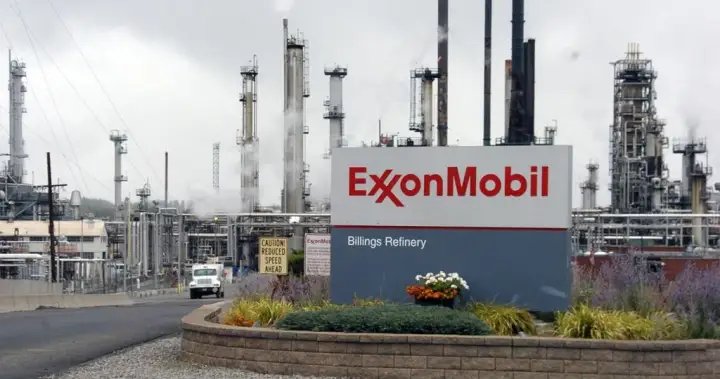
Big oil companies continue to book massive profits as fighting in Iran disrupts energy markets and sends oil and gasoline prices sharply higher.

Six of Europe’s largest oil companies posted combined first-quarter profits of US$22 billion, more than 40 per cent higher than last year.
Profits at BP, based in London, more than doubled to US$3.9 billion in the second quarter, the company said Tuesday.
And Saudi Aramco reported a 44 per cent year-on-year increase in second-quarter net profit that reached US$32.69 billion, driven by higher crude oil, refined products and chemicals prices.
The supercharged performances from big oil in Europe and the Middle East follow reports of enormous profits from the largest U.S. oil drillers last week.
As the conflict has dragged on, high oil prices have driven up the cost of gasoline, jet fuel and diesel, which has led to higher shipping costs. In the West, filling up the car or buying a plane ticket is costing consumers more. But the situation in parts of Asia are more dire because the region depends more heavily on fuel exported through the
Strait of Hormuz. Fuel supplies have run low in some countries, leading to rationing and sporadic closures of schools and government offices.

Get weekly money news
Get expert insights, Q&A on markets, housing, inflation, and personal finance information delivered to you every Saturday.
Despite oil prices falling to their lowest level in three weeks Tuesday, big U.S. energy companies drew the ire of President Donald Trump, who criticized them this week for their outsized profits.
Trump said he’s not happy with Chevron and Exxon Mobil, though energy prices skyrocketed only after the U.S. and Israel attacked Iran in late February, and the Strait of Hormuz was effectively closed off to tanker traffic.
About 20 per cent of the world’s oil typically flows through the strait.
“They made too much money, too much money,” Trump said Monday. “They ought to give some of that back to the public, and they better cut the retail price.”
Exxon Mobil on Friday reported that its second quarter profits doubled to US$14.5 billion, boosted by record diesel production.
The oil giant, based in Spring, Texas, brought in US$116 billion in revenue, up 42 per cent.
Chevron, based in Houston, nearly quadrupled its profits to US$12 billion and revenue jumped 56 per cent to more than US$70 billion.
On Tuesday, the price of U.S. crude oil fell 5.4 per cent, or US$4.36, to US$75.98 per barrel.
The sharp decline followed comments by Treasury Secretary Scott Bessent, who told CNBC that the U.S. and Iran “may have a deal today or tomorrow to open the Strait.”
Oil prices for U.S. crude are down from around US$92 a barrel in late July, but still more than 13 per cent higher than when the conflict with Iran started.
Brent crude, the international standard, fell 4.9 per cent to US$83.87 per barrel.
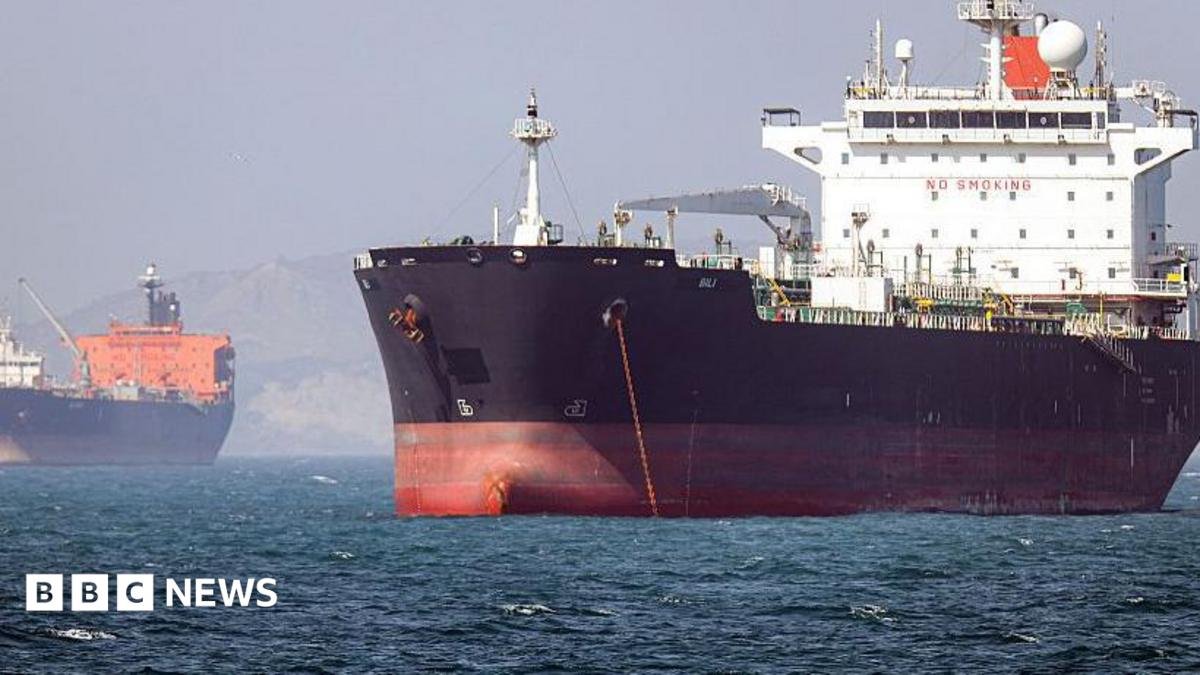
A resolution to the Iran conflict, which has lasted more than five months, could give oil shippers the ability to send vessels out of the Persian Gulf, where tankers of oil and other products have been trapped during the fighting.

© 2026 The Canadian Press