dailynewsnblog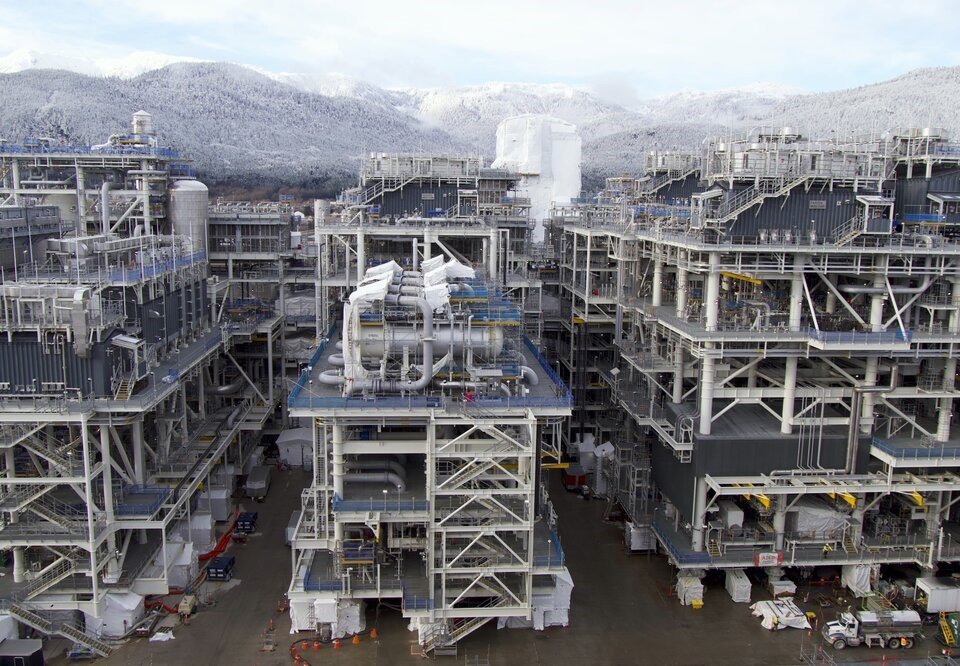
A report reveals B.C. could face Canada’s second-largest industrial energy gap by 2035, despite recent grid investments by BC Hydro to meet demand
B.C. industry could face a 90 per cent shortfall in electricity over the next decade—a time the province is moving to allocate electricity to fast-tracked mines, AI data centres and new gas export terminals.
That’s according to the authors of a new report from the Canadian Climate Institute. Released June 17, the research compares the state of electricity generation across Canada’s four largest electricity systems—Ontario, Quebec, Alberta and British Columbia.
The analysis, which also includes six international jurisdictions—Germany, the United Kingdom, Norway, New South Wales, Washington and Texas—shows how prepared far each region has modernized its grid and attracted investments in quick-to-build renewable energy like wind, solar and grid-scale batteries.
It also provides several recommendations to the federal government on how to support provinces in building the electricity systems needed to drive economic growth, while respecting provincial jurisdiction.
In several cases, the task appears to be enormous, with many Canadian jurisdictions under planning for industrial growth.
If only half of proposed industrial projects go through, by 2035 Alberta is forecast to have an electricity demand more than three times what it can supply to industry.
Under the same conditions, B.C.’s industrial electricity gap was found to be the second highest in Canada at 110 per cent—far higher than Washington state (60 per cent), Ontario (50 per cent), Norway (10 per cent) and Quebec (less than 10 per cent).
The numbers only go up to the end of 2025. In the past six months, BC Hydro has moved to aggressively close its electricity supply problem.
BC Hydro ramps up spending in bid to close electricity gap
As part of the 2025 Call for Power, the utility signed electricity purchasing agreements for 1,100 megawatts of wind-generated electricity expected to hit the grid by 2033.
In May, BC Hydro announced a $1-billion investment in energy efficiency, grid automation, and demand-side management. And more recently, BC Hydro said it would backtrack on plans to end contracts at two gas-fired power plants while exploring two new dams on the Peace River and Bute Inlet as part of a new long-term energy blueprint.
Even with those changes, the province is not expected to come close to meeting electricity demand if it approves half of the proposed industrial projects in B.C. At the request of Business in Vancouver, researchers at the Canadian Climate Institute ran the numbers again, including BC Hydro’s latest plans for the grid.
Kate Harland, the group’s research director of clean growth, said the results show the gap shrinks “not a lot” to just below 90 per cent from 110 per cent.
“B.C. has a larger gap than some of the other provinces or other jurisdictions that we see,” she said. “The B.C. gap is there.”
Werner Antweiler, an energy economist at the University of British Columbia who was not involved in the report, said it is “completely inconceivable” that jurisdictions like B.C. will expand the grid to accommodate all requests from industry.
“These are astronomical numbers,” said Antweiler. “That would essentially drive up the cost for B.C. ratepayers if you actually did all of that.”
Data centres, LNG terminals threaten grid stability, says expert
According to Antweiler, LNG export terminals and data centres are driving the most uncertainty over how much electricity B.C. will need. Both industries require an almost constant supply of power, making them massive electricity sinks over time, the economist said.
By contrast, Antweiler said the adoption of EVs and heat pumps are also putting pressure on the province’s grid, but in a much slower and predictable way.
This week, the BC Hydro said it projects overall electricity demand to grow 20 per cent by 2030 and 50 per cent by 2050.
Energy Minister Adrian Dix pointed to those numbers Wednesday about the much larger industrial electricity gap identified the Canadian Climate Institute.
“We’re pretty confident we’ve got the experts on BC Hydro and the experts in the system,” said Dix. “So our goals are not aspirational or political. They’re real forecasts based on what we see out there with projects here in B.C.”
As jurisdictions attempt to build out more generating capacity, the Canadian Climate Institute noted hydro-dominated provinces like B.C. and Quebec have a natural advantage: their reservoirs act as natural batteries that can backstop the wider grid.
But when it comes to bringing on new projects, the group’s report found the two provinces could better court investors in wind, solar, and battery projects by improving competitive procurement schedules over longer timelines.
Calls for industrial power flexibility, limited role for gas
The report urged the federal government to create incentives for big industrial users to manage their energy use and reduce pressure on the grid—something B.C. was singled out for falling behind on.
That could mean curtailing electricity supply during the hottest or coldest parts of the day when demand is highest, Antweiler said.
“Before we actually allow any new connections, we need to think about how we look at these large facilities,” said Antweiler. “We need to really think hard about contractural arrangements that deviate from the traditional: we just supply the power and then we leave it to you to decide how much you want to use it.”
“That can no longer happen for these very large buyers of power.”
At the federal level, the report recommended Ottawa support new cooperative processes so provinces can share information and set goals on how they can share energy through cross-border electrical connections, known as interties.
It also suggested Canada move forward with strong, flexible Clean Electricity Regulations that “recognize a real but limited role of gas” in managing peak electricity demand.
That recommendation comes as BC Hydro recently flipped its plans to end electricity purchasing agreements with two gas-fired plants on Vancouver Island and in the province’s north.

Eyab Al-Aini, a co-author on the report and a senior research associate at the Canadian Climate Institute, said choosing between utility scale batteries and what is known as gas “peaker” plants depends on the situation.
Al-Aini said the experiences of other jurisdictions like Ontario is instructive. When that province recently put out requests for proposals seeking new peak electricity capacity, every winning bid was won by batteries.
“Not a single project won by gas,” he said. “And the reason they won is based on cost.”
Another reason new gas-fired power plants may be problematic is due to tight supply chains. Al-Aini said any developer wanting to get a hold of a gas turbine right now is going to have to wait until 2030 or pay an exorbitant amount of money to jump the queue.
Part of that is due to demand, with energy hungry data centres vying to order gas turbines; part of it is manufacturing facilities unwilling to ramp up production of turbines after doing so in the past cost them money when demand cratered, said Al-Aini.

A dilemma pitting ratepayers against industrial growth
In a final recommendation, the report calls on Ottawa to scale up financing—including Indigenous loan guarantees—through groups like the Canada Infrastructure Bank.
At times, that may require the federal government to directly fund projects that have a strong national benefit but place a heavy burden on local ratepayers, the report said.
“If you don’t plan ahead for the demand that’s coming, these trends that we see emerging, you’ll end up having more and more competition for supply,” said Harland. “We already start to see that emerging. That’s the kind of consequence of not building ahead.”
One of the core economic tensions, said Harland, is between constantly investing in building out the grid and keeping rates reasonable for the public.

Antweiler cited the potential cost to ratepayers as the main reason why B.C. should not allow industrial demand to dictate how much electricity it should provide.
“This industrial demand is fictional,” he said. “It’s basically a wish list.”
“Industry would say, well we’d love to have your cheap electricity if you’d let us. But should we? That is a question.”
Dix pushed back against the idea B.C.’s supply of electricity should dictate the approval of new industrial hook-ups. He described the government’s approach as “much more aggressive and much more urgent.”
If the province waited for a mine project’s final investment decision before figuring out how to supply it electricity, it would be “years late,” he said.
“We do not want to wait years and years and years for those opportunities for our province because we weren’t prepared,” Dix added.
“We are driving to be ready and to take advantage of this moment.”
BIV’s free newsletters cover daily business, real estate, B.C. politics and more. Sign up here for B.C.’s most important business news delivered directly to your inbox.