dailynewsnblog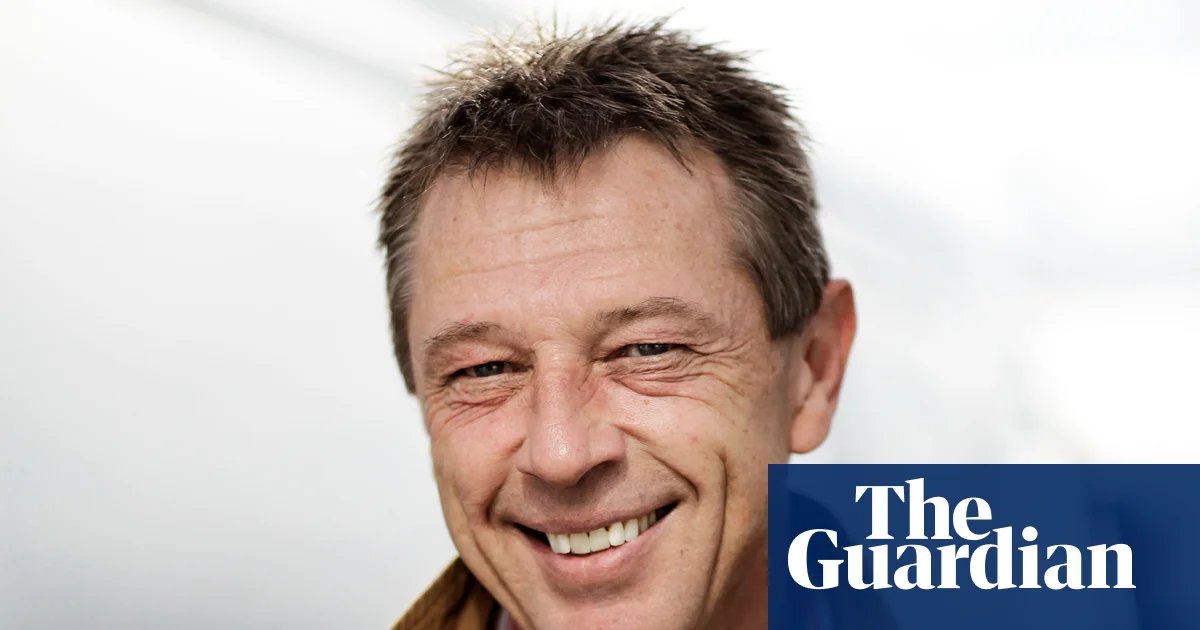
The broadcaster Andy Kershaw, best known for the BBC Radio 1 show he hosted for 15 years, has died aged 66, his family told the corporation.
His long career working for the BBC began in 1984 as host of the rock music show The Old Grey Whistle Test. He co-presented the corporation’s television coverage of Live Aid.
He revealed in January that he was undergoing cancer treatment after tumours that had been severely limiting his mobility were discovered in his spine last August.
Known for his eclectic taste in music, often featuring non-mainstream sounds on his weekly programme, he once described how his mentor, the producer and broadcaster John Walters, had influenced him, saying: “We’re not here to give the public what it wants. We’re here to give the public what it didn’t know it wanted”.
Born in Rochdale, he studied at University of Leeds and began his career in the early 80s at Radio Aire in Leeds as a promotions manager. After being spotted while working as roadie and driver for the performer Billy Bragg, he moved to anchor BBC Two’s The Old Grey Whistle Test.
He joined Radio 1 in the summer of 1985. His sister Liz Kershaw also worked at the station during his time there.
He was viewed by some as a successor to the late John Peel. Kershaw himself once said: “I think initially Radio 1 wanted another [John] Peel, but I got quickly bored of those awful, insipid demo tapes I was receiving from Liverpudlian indie acts, especially as I was beginning to discover properly fantastic, amazing music from Malawi, the Congo, South Africa.
“The way I saw it, this was music that would have an appeal way beyond the circle of African music aficionados. And the letters I received from enthusiastic listeners suggested I was right.”
In 2000, Kershaw’s weekly late-night Radio 1 show was axed as part of a scheduling overhaul. He went on to report for BBC Radio 4, including for the Today programme, From Our Own Correspondent, and The World Tonight, and travelled the world to explore global music and conflict zones.
His coverage included the 1994 Rwandan genocide, and reporting from Sierra Leone in 2001 during the final stages of its civil war. Kershaw also documented radio diaries from North Korea which, according to the BBC, were among the first programmes to be recorded inside the country.
He received multiple Sony Radio Academy awards during his career and was celebrated for bringing world music and specialised genres to mainstream radio.
He joined BBC Radio 3 in 2001 where, he once said, he “continued to ignore categories and mix it all up”. He left the post in 2007 having faced a series of personal problems after his long-term relationship broke down and he was jailed for three months after breaking a restraining order.
Kershaw was in a 17-year relationship with Juliette Banner and the pair had two children together. The couple lived on the Isle of Man together before eventually separating.
In 2011, he returned to BBC radio with a new music series that tied in with BBC One’s Human Planet. That year Kershaw released an autobiography, No Off Switch, detailing his life and career.
He continued his career as a broadcaster in recent years having launched his own podcast, which featured guests such as Robyn Hitchcock, The Burner Band and Martin Carthy.
Revealing his cancer diagnosis in a statement earlier this year, he said he was in “good spirits”, joking he was “determined not to die before Benjamin Netanyahu, Vladimir Putin, Donald Trump and Ant’n’Dec. That should keep me going for a while.”