dailynewsnblog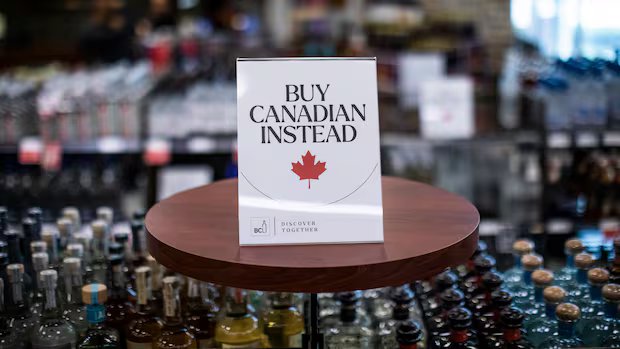

Listen to this article
Estimated 4 minutes
The audio version of this article is generated by AI-based technology. Mispronunciations can occur. We are working with our partners to continually review and improve the results.
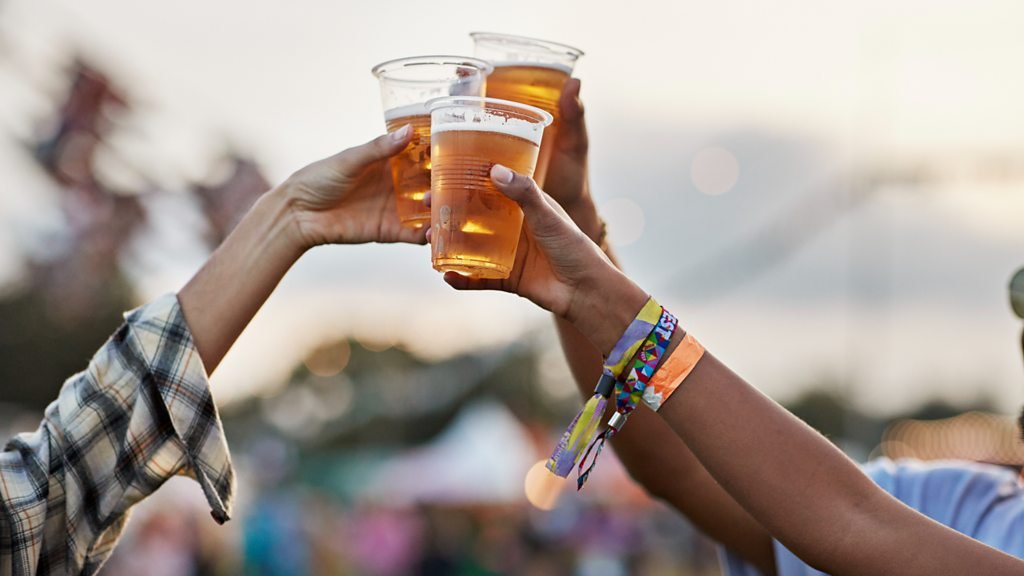
British Columbia doesn’t intend to put U.S. products back on B.C. Liquor Store shelves until Canada’s trade and tariff war with the United States has been resolved, the province’s minister for jobs and economic growth says.
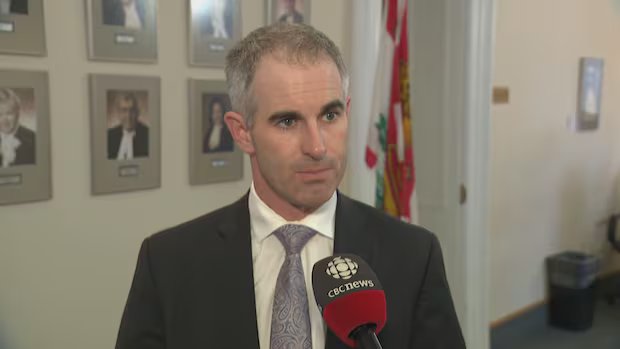
Ravi Kahlon made the comments Wednesday, after U.S. Commerce Secretary Howard Lutnick told a Senate hearing it was “outrageous” that Canadian provinces were maintaining the ban.
“I say to Canadians and British Columbians who want to drink Kentucky bourbon that they will have to wait until the tariffs that we have in place, that the U.S. have put in place, are resolved,” Kahlon said.
“Not only have we not seen progress when it comes to the unjust tariffs that they have put on Canada and in particular the impacts in B.C., but we are constantly being disrespected, in media, in public statements, so we see no reason at this point to change our position at all.”

B.C. initially announced a ban on U.S. liquor from Republican-governed states. Now, it’s yanking all American booze off the shelves at government-run stores. Premier David Eby says it’s being done in response to “escalating threats” from our southern neighbour. As Chad Pawson reports, the premier is also making concessions in his own life to choose Canada first.
Restaurants call for flexibility
B.C. Restaurant and Food Services Association president and CEO Ian Tostenson said the now year-old ban is hurting the hospitality sector, and he’d like to see the province consider modifying it, at least for wholesale customers.
“The profitability from U.S. wines was about $150 million a year. It’s dropped to $80 million, and the Liquor Distribution Branch has never made up that profit,” he told CBC News.
“So its costing us $70-million bucks or so to do what we’ve done, that’s an awful lot of money.”
The ban is also hurting the secondary industry of importers and distributers who the restaurant sector relies on, he said.
At the same time, he said some consumers are still buying U.S. products, either by going to private liquor stores who are selling off B.C.’s warehoused inventory, or by sourcing it from Alberta.

Canadians in Alberta and Saskatchewan will see U.S. booze back on the shelf after the two provinces lifted their bans on American-made alcohol imports. Andrew Ferguson, the owner of an independent liquor store, says he does not expect this change to have a big impact because not a lot of people are buying American anyway.
Tostenson said the hospitality industry remains a major backer of B.C. wine and spirits.
But he said many products can’t be replaced one-for-one on a menu, and that the move leaves businesses shorthanded as the 2026 FIFA World Cup approaches.
“[If] the government decides not to sell them in the liquor stores like they do today, then at least let the private sector … have the opportunity to do it,” he said.
“And if people don’t want to buy them, they won’t want to buy them.”
Trade irritant
British Columbia was one of several provinces, including Ontario and Quebec, that pulled U.S. liquor products from shelves last year in response to U.S. President Donald Trump’s tariffs and threats to make Canada the “51st state.”
Those provinces account for nearly two-thirds of Canada’s population, and the U.S. wine and spirits industries have since been vocal that the ban is having an effect on their bottom line.

The Distilled Spirits Council of the United States claims in a submission to the office of U.S. Trade Representative Jamieson Greer that Canadian retailers are giving unfair advantage to local spirits. Meanwhile, some Canadian distilleries say pulling U.S. booze off shelves has only added a small increase to their sales.
The U.S. has flagged the issue as a key irritant heading into contentious talks to renegotiate the Canada-U.S.-Mexico Agreement (CUSMA) on trade.
On Wednesday, Prime Minister Mark Carney responded to a Radio-Canada report citing officials who said the Americans were imposing an “entry fee” on trade talks with Canada and are demanding concessions before negotiations begin.
Carney said Canada will not make any additional concessions to the U.S. ahead of talks.
Kahlon rejected speculation the liquor issue was holding up CUSMA talks.
“It’s hard to imagine that would be the reason,” he said.
“And if it is, it should be more of a reason for the U.S. to get to the table and find a resolution.”
Ontario Premier Doug Ford has also rejected calls to put U.S. liquor back on shelves.