dailynewsnblog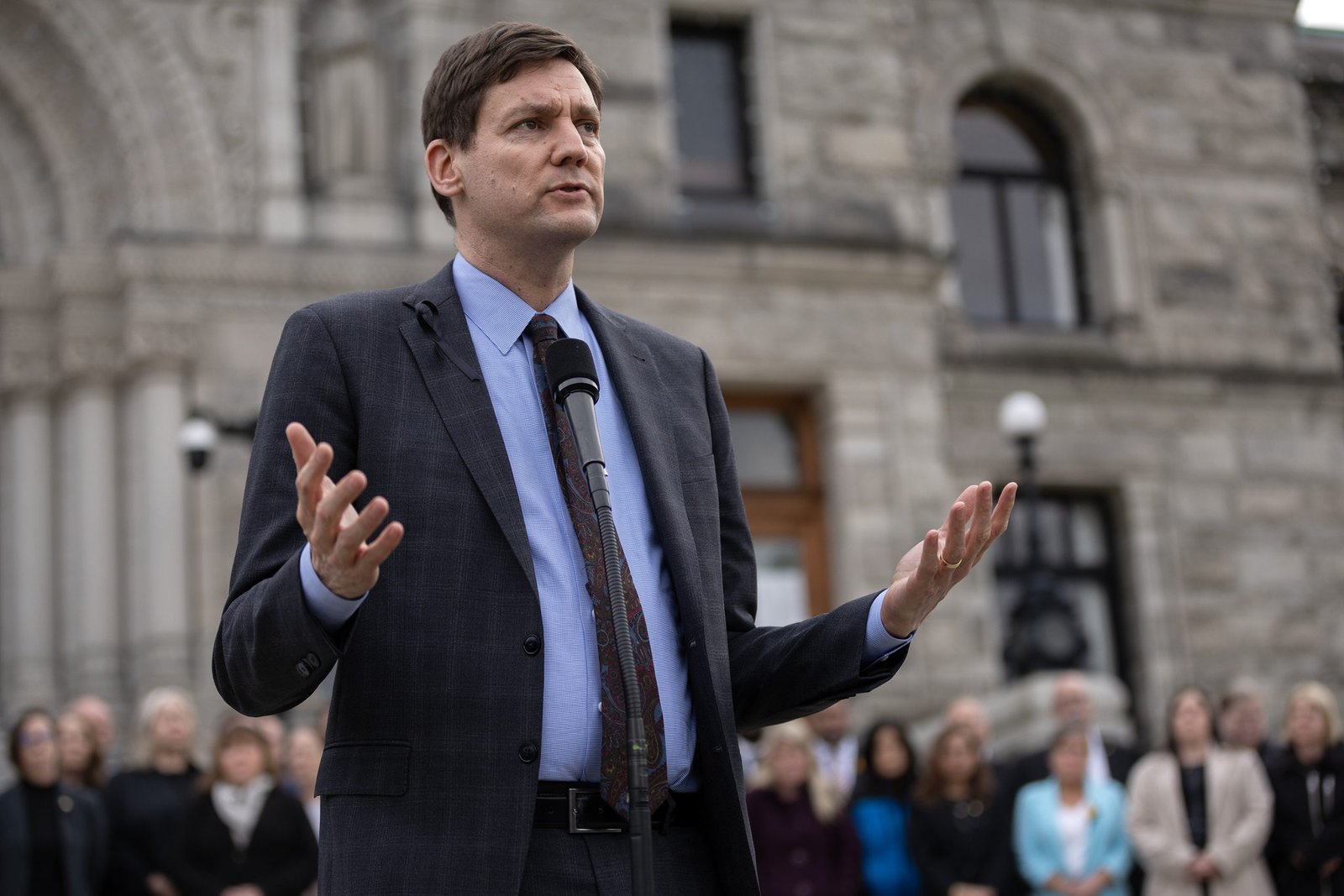
The top court has agreed to hear a case that carries implications for the mining sector and Indigenous rights.
The Supreme Court will hear British Columbia’s appeal of a December ruling that found its Indigenous rights law is inconsistent with the province’s mineral claims regime.
The legal battle began when the Gitxaała and Ehattesaht First Nations challenged B.C. ‘s automated online registry, which allows mining companies to claim mineral rights on Crown land without prior Indigenous consultation.
The nations argued that mining exploration can affect Indigenous rights as understood through the province’s Declaration on the Rights of Indigenous Peoples Act (DRIPA) law and should trigger a duty to consult.
The lower court agreed with them, and gave the province 18 months to design and implement a new system that would include Indigenous consultation in 2023. B.C. adopted a consultation framework for mineral claims shortly after.
But the case has become about much more than the registry system, with courts being asked to look at how the province’s DRIPA law is interpreted and applied.
The issue has triggered a major political headache for Premier David Eby, who first suggested amending or suspending parts of the law pending a hearing at the country’s top court.
He quickly backtracked following fierce backlash from First Nations who argued that move would effectively neuter the legislation, and spoke of feeling betrayed by Eby and the provincial NDP party.
The premier then announced he wouldn’t be introducing the legislation in the spring session, and released a joint statement with the First Nations Leadership Council indicating an intention to work together on a path forward for DRIPA.
READ MORE: Ottawa monitors B.C. Indigenous law, rules out changes at federal level
Because this case fundamentally hinges on Section 35 of the Constitution and Canada’s Indigenous rights framework, it was always destined for the national stage.
The core conflict resonates far beyond B.C. Many other provinces still allow mineral claims to be registered without prior Indigenous consultation.
In Ontario, for instance, the Grassy Narrows First Nation is currently launching a constitutional challenge against provincial mining laws that permit companies to stake claims and conduct land assessments without any consultation or accommodation.
Recognizing the nationwide stakes of this legal battle, the Supreme Court of Canada has officially added the B.C. case to its docket.