dailynewsnblog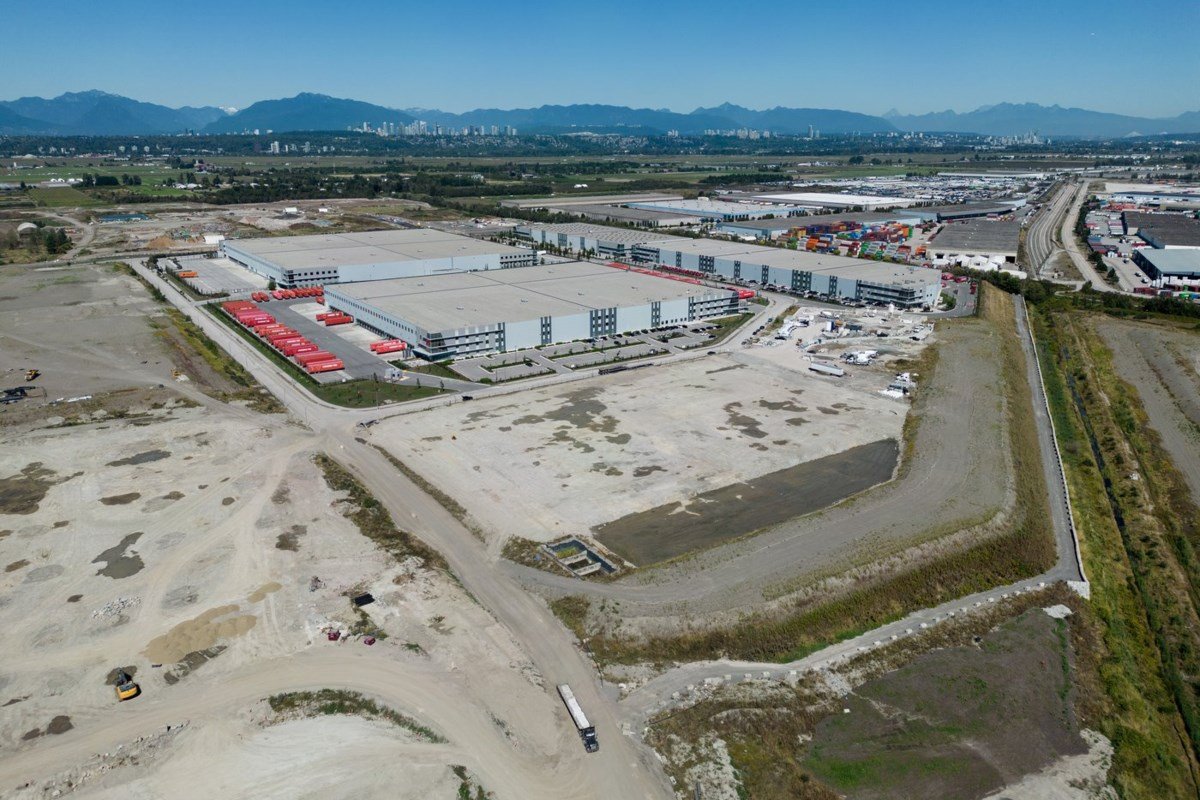

VICTORIA — An attempt by a Richmond, B.C., company to reopen a landmark Aboriginal title case after the original trial lasted more than 500 days is an “abuse of process for relitigation” and will not be allowed, a B.C.
VICTORIA — An attempt by a Richmond, B.C., company to reopen a landmark Aboriginal title case after the original trial lasted more than 500 days is an “abuse of process for relitigation” and will not be allowed, a B.C. Supreme Court judge ruled this week.
The court ruled in August that the Cowichan Tribes have Aboriginal title over a portion of Crown, city and private land in Richmond, saying the Crown’s granting of private titles on the land “unjustifiably” infringed on the Cowichan title.
Montrose Properties, the area’s largest landowner, tried to have the case reopened, arguing it was unfairly omitted from the original trial and that its fee simple land interests are directly affected by a declaration of Aboriginal title.
While the Cowichan Tribes did not seek to have private titles invalidated, and are not laying claim to those lands, the case has led to concerns that it puts private property at risk.
All parties are appealing the ruling.
Justice Barbara Young said that while Montrose wasn’t given formal notice of the case, it knew what was happening and chose not to apply to be added as a party until long after the conclusion of the trial.
“I agree with the plaintiffs that allowing this application could open the floodgates for numerous other private landowners and persons with commercial or other interests in the Cowichan Title Lands to seek to join the litigation,” she said.
Young ruled that type of process would be “inefficient, disruptive to the parties, and would not enhance the integrity of the administration of justice.”
“Allowing this application could incentivize third parties to take a wait-and-see approach to joining litigation until after reasons for judgment are released,” she said.
“That would mean if reasons for judgment are met with disapproval, a person might apply to be added as a party after they are issued and seek to have the matter reopened, rather than applying … in a timely way and assuming the cost and efforts associated with participating in litigation.”
Montrose CEO Ken Low said in a statement issued Tuesday that the company is reviewing the decision and that there are “a few legal options to consider.”
“But we are not done, and private property rights must be protected,” he said.
Young said in her ruling that the Montrose claims were addressed in her initial ruling over the course of a lengthy trial by well-resourced parties.
The case has led to plenty of sparing in the province’s legislature with the Conservative opposition accusing the governing New Democrats of not doing enough.
In a statement Tuesday, the Conservatives said the case “called a question of who controls British Columbia” and its members called on the government to bring forward legislation to protect property rights and lobby Ottawa for “constitutional guardrails.”
“And, they need to immediately disclose every Aboriginal title claim currently before the courts or in negotiation, so people can come forward and get into litigation at the earliest possible stage, not when it’s too late,” Indigenous relations critic Scott McInnis said in the statement.
This report by The Canadian Press was first published June 30, 2026
The Canadian Press