dailynewsnblog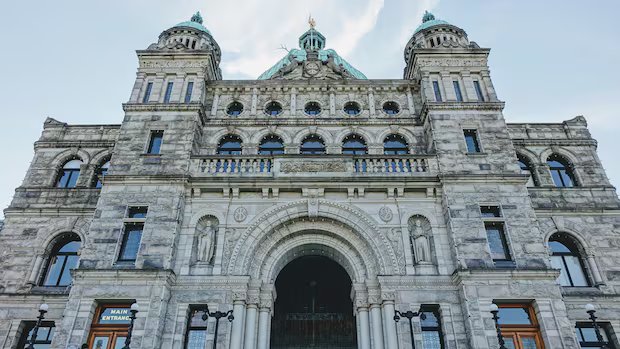

Listen to this article
Estimated 3 minutes
The audio version of this article is generated by AI-based technology. Mispronunciations can occur. We are working with our partners to continually review and improve the results.
A class-action lawsuit for people who were the subject of “birth alerts” in B.C. has resulted in a proposed $66-million settlement, according to class counsel lawyers.
“Birth alerts,” also called “hospital alerts,” were a controversial practice that allowed child welfare workers and agencies to tell a hospital that an expectant parent’s child might need protection after birth.
The practice disproportionately affected Indigenous families, according to a news release from class counsel CFM Lawyers LLP.
The alerts often led to babies being seized from mothers just days after they were born.
“People should not have to publicly relive painful experiences to be heard or supported,” said Adrianna Zeleniski, representative plaintiff, in the release.
“One thing this proposed settlement does is create a process that avoids a lengthy trial. I hope it also helps people understand they are not alone.”
The Supreme Court of B.C. will be asked to approve the settlement at a hearing scheduled for Dec. 4.
According to the class action’s FAQ webpage, the proposed settlement is “not an admission that the province did anything wrong.”
“It is a legal compromise to resolve the claims.”
The proposed settlement would create a process for people to seek whether a birth alert was issued about them, provide compensation and offer trauma-informed support, according to the release.
Michelle Segal, a partner at CFM Lawyers, said a person is presumptively in the class if they are included in certain documents from the Ministry of Child and Family Development that indicated evidence of a birth alert on their file. But there could be more.
“We expect that there are thousands of people in British Columbia that are affected by this, but we don’t know how many thousands,” she said.
Class members would be eligible for a minimum of $2,000 in compensation, and Indigenous class members would receive an additional amount.
People can be part of the class action if a birth alert was issued about them in B.C., even if they were not told an alert was issued, between May 31, 1980 and May 8, 2026.
Segal noted people do not have to share traumatic details when filing a claim and encouraged people to reach out to a dedicated trauma-informed call centre that can discuss and support the process of filing a claim.