dailynewsnblog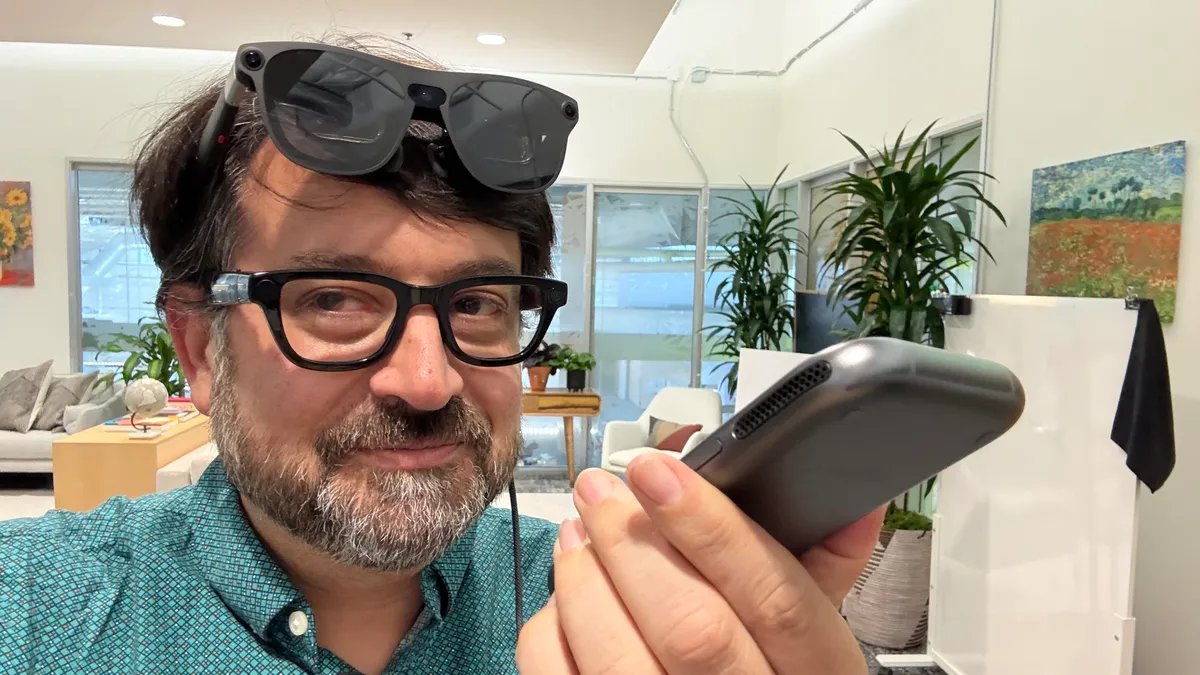
The second-generation Meta Ray-Ban glasses, sitting pretty. They earned a CNET Editors’ Choice award for all the features they offer.
It’s getting more and more likely that you or someone you pass by on the street is wearing smart glasses, or might at least try them out in the near future. Market researcher IDC is predicting that “2026 is the year smart glasses graduate from early adopter curiosity to a mainstream force.”
The company said Monday that sales surged 167% year over year in the first quarter of 2026, with 2.25 million units shipped during that three-month period.
There’s a clear leader of the pack: Meta, whose Ray-Ban smart glasses lineup accounted for 69% of the market in the first quarter. The most anyone else could muster individually was a 3.4% share; that was RayNeo, followed by Xiaomi (3.1%), Viture (2.5%) and Xreal (2%).
But how long will Meta remain top dog? Jitesh Ubrani, an IDC research manager tracking mobile devices, wrote in the Smart Glasses Surge report that “the challengers assembling against it are formidable.”
He pointed to two companies in particular: Google and Snap. Google, he writes, is getting into the smart glasses fray with decided advantages with its Android XR ecosystem and its presence in people’s email, photos, search history and calendars. “When someone puts on a pair of Android XR glasses, the AI assistant doesn’t need an introduction,” Ubrani wrote. “It already knows you.”
Snap, meanwhile, “has tens of thousands of developers who have spent years building AR experiences,” plus “real-world learnings on optics, thermal management, and social comfort that simply cannot be shortcut.”
If you find yourself tempted by smart glasses this year, no matter the manufacturer, some credit will have to go to Meta. “The Ray-Ban Meta lineup has done something rare in consumer tech,” Ubrani wrote. “It created a device people are genuinely unafraid to be seen wearing in public.”