dailynewsnblog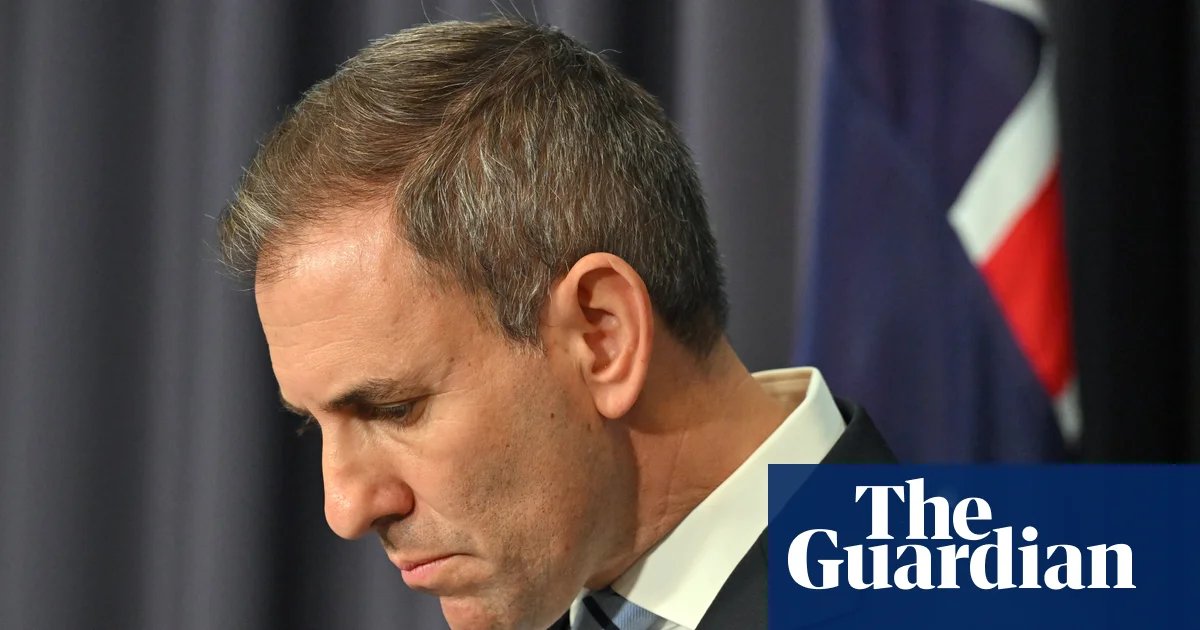
As diesel prices make history by passing $3 a litre in nearly every capital city around the country, the stresses of high fuel costs are beginning to show.
Truckies are warning they will go out of business if they can’t renegotiate their contracts with customers; farmers are warning the same, telling families that food in our supermarkets could soon cost more.
Small miners are already scaling back their operations and airlines are either hiking fares on a daily basis or cutting back on flights.
Meanwhile, fuel prices keep rising.
Construction industry groups are warning that builders are being charged 8% to 10% “fuel surcharges”, adding to sky-high costs that never really returned to normal after the pandemic disruptions.
Denita Wawn, the head of Master Builders Australia, told the ABC: “We’re concerned that the longer this goes, then the longer the tail is”.
“We saw that from Covid; the tail was literally 12 months once things returned to normal from everyone else,” Wawn said.
That long tail is also worrying the government.
Australian fuel prices are up by about 40% since Israel and the United States started bombing Iran, which effectively closed the strait of Hormuz and choked off 20% of the global oil trade.
Jonathan Kearns, the chief economist at Challenger and a former senior Reserve Bank official, echoed the broad consensus that headline inflation would be heading from 3.7% and towards 5% over the coming months.
That alone would seem to support the case for three additional Reserve Bank rate hikes, as is priced into financial markets for 2026.
But the picture is more nuanced than that.
The post-Covid cost-of-living shock was cushioned by a rebounding economy and a hiring spree that left a higher share of Australians in the workforce than ever before.
But the stagflationary effect of energy shocks suggests both rising inflation and climbing unemployment, as the economy slows and businesses cut back on hiring.
Already consumer confidence, according to the weekly ANZ-Roy Morgan survey, has collapsed to its lowest level in history stretching back to 1973 – coincidentally also the year of that decade’s first oil shock.
And because the starting point was already pessimistic, we are now even gloomier than during the 2020 national lockdowns.
“With the oil supply shock increasing inflation, but slowing economic growth, the RBA will struggle to keep the economy on an even keel,” Kearns said.
As the Iran war drags on and fuel prices continue to climb, experts and officials are beginning to wargame even more extreme scenarios, including fuel rationing.
The head of the International Energy Agency, Fatih Birol, was in Canberra this week, effectively delivering a wake-up call to the nation – and the world.
Birol declared that the oil supply disruptions in the Middle East were twice as big as those experienced in the 1970s, at the same time as the war delivered a shock to global gas markets as big as Russia’s invasion of Ukraine.
That dire analysis may have factored into Jim Chalmers’ decision to ask Treasury officials to look at even more “challenging circumstances” where crude oil prices go above $US120 a barrel – and stay there.
“The end of this war can’t come soon enough for the economy,” Chalmers told reporters on Wednesday.
The treasurer said the government was preoccupied with two “key considerations”.
“First of all, the timing of the end of the war,” he said. “And secondly, how long it takes for the global economy to get back on track after the hot part of the hostilities.”
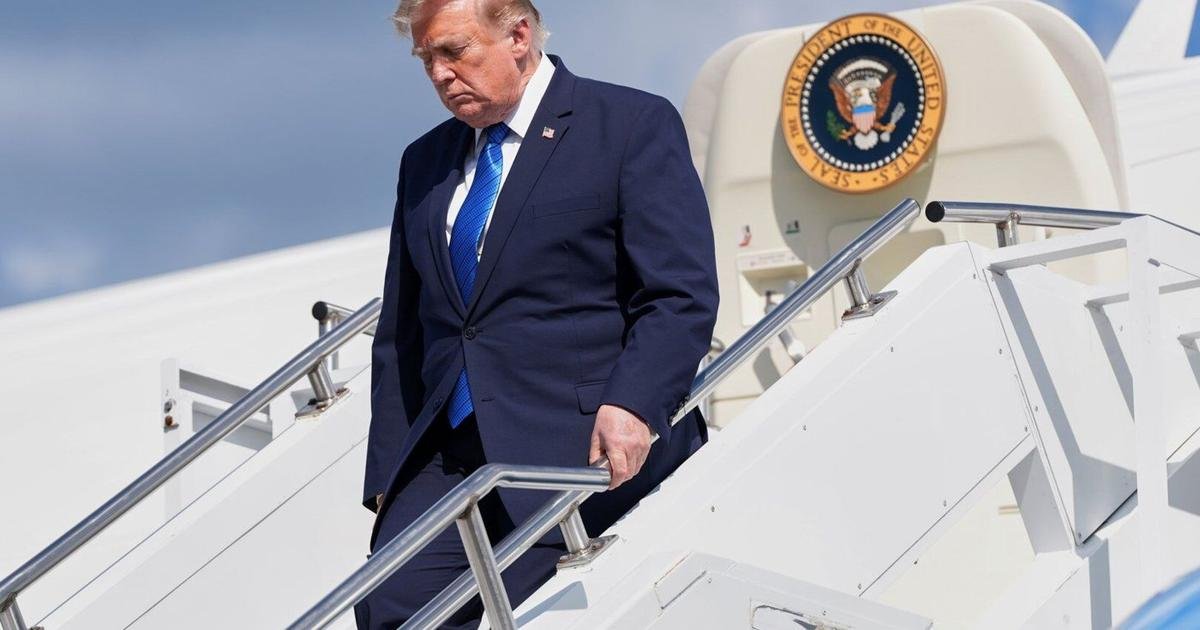
Australians blame the government for the fallout from Donald Trump’s decision to help launch a war in the Middle East without clear objectives or an exit strategy.
With so much out of his hands, Chalmers has a mammoth task crafting a budget that responds to the global energy shock in a way that satisfies voters, supports the economy and doesn’t add to inflation.
The longer fuel prices stay high, the more likely the government is to deliver some relief for households – ideally targeted at more vulnerable Australians and not via fuel subsidies.
Economists at Barrenjoey expect a “muted” response from the government.
But the budget strategy changes dramatically when it comes to the real worst-case scenario, where we are confronted with national fuel shortages and rationing.
“If there was the risk of fuel shortages across the country from an inability to import refined oil, we could see a potential crisis level response from the government and rationing of fuel,” they say.
“The economic consequences of fuel shortages would potentially be significant,” including a collapse in business and consumer confidence and a likely “material” rise in unemployment.
“We would expect a crisis-level fiscal and monetary response to support the economy.”
This type of scenario remains improbable, they say.
But for every day the Iran war continues, it becomes that much more likely.