dailynewsnblog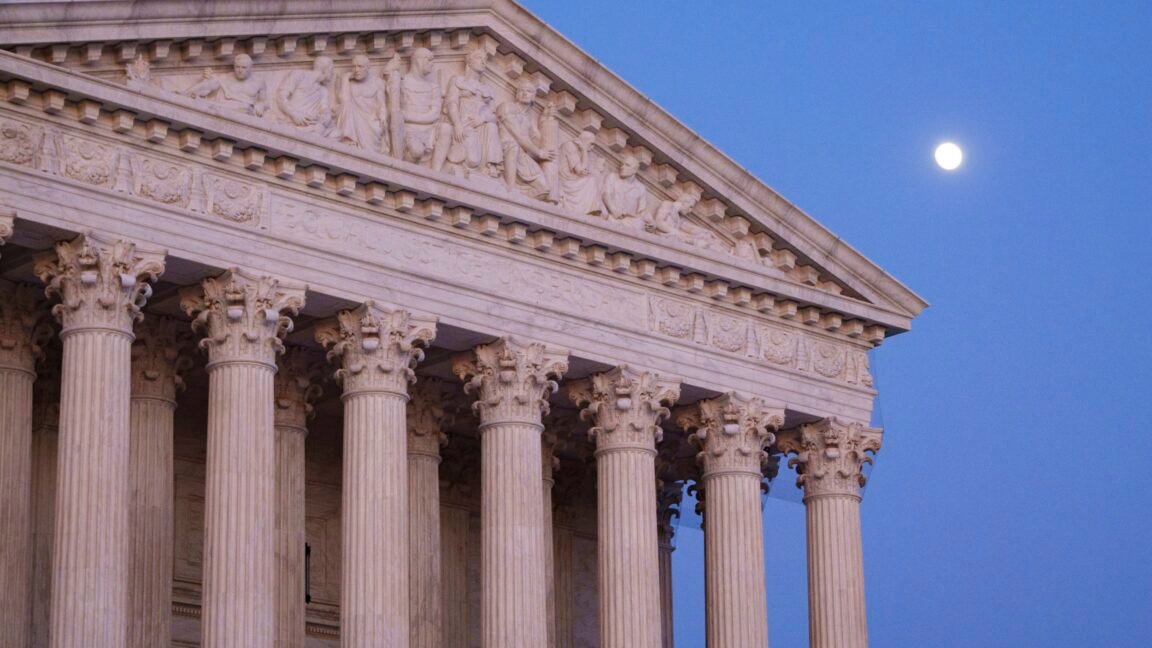
During oral arguments, justices expressed skepticism of AT&T and Verizon’s claims and seemed to agree that FCC fine decisions are nonbinding until enforced by a court. Justice Brett Kavanaugh described the case as a victory for carriers either way, because the government acknowledged its orders are nonbinding without a jury trial.
“It seems like you’ve won on the law going forward, one way or the other,” Kavanaugh told the attorney representing the carriers.
Carriers “tried to dodge all accountability”
Today’s decision is important for upholding the FCC’s ability to investigate and propose penalties that can be enforced in court, said John Bergmayer, legal director at advocacy group Public Knowledge.
“The Supreme Court got this one right,” Bergmayer said in a press release. “AT&T and Verizon sold access to their customers’ location data, then failed to stop bounty hunters and even a rogue sheriff from using it to track people who had no idea they were being followed. The FCC investigated, found the carriers liable, and proposed penalties—which the carriers were always free to challenge in court.”
AT&T and Verizon “tried to dodge all accountability by claiming the FCC’s established process denied them a jury trial,” but the Supreme Court confirmed that this isn’t true, Bergmayer said. “This decision keeps the FCC able to do the job Congress gave it. An agency that cannot investigate carriers and propose penalties would lose one of its best tools for protecting consumers and enforcing the law,” he said.
Regarding Kavanaugh’s point during oral arguments, Bergmayer told Ars today that “you can debate the framing, but that was already the law anyway. The FCC can only enforce through the courts.” The FCC would have lost if it had argued differently, he said.