dailynewsnblog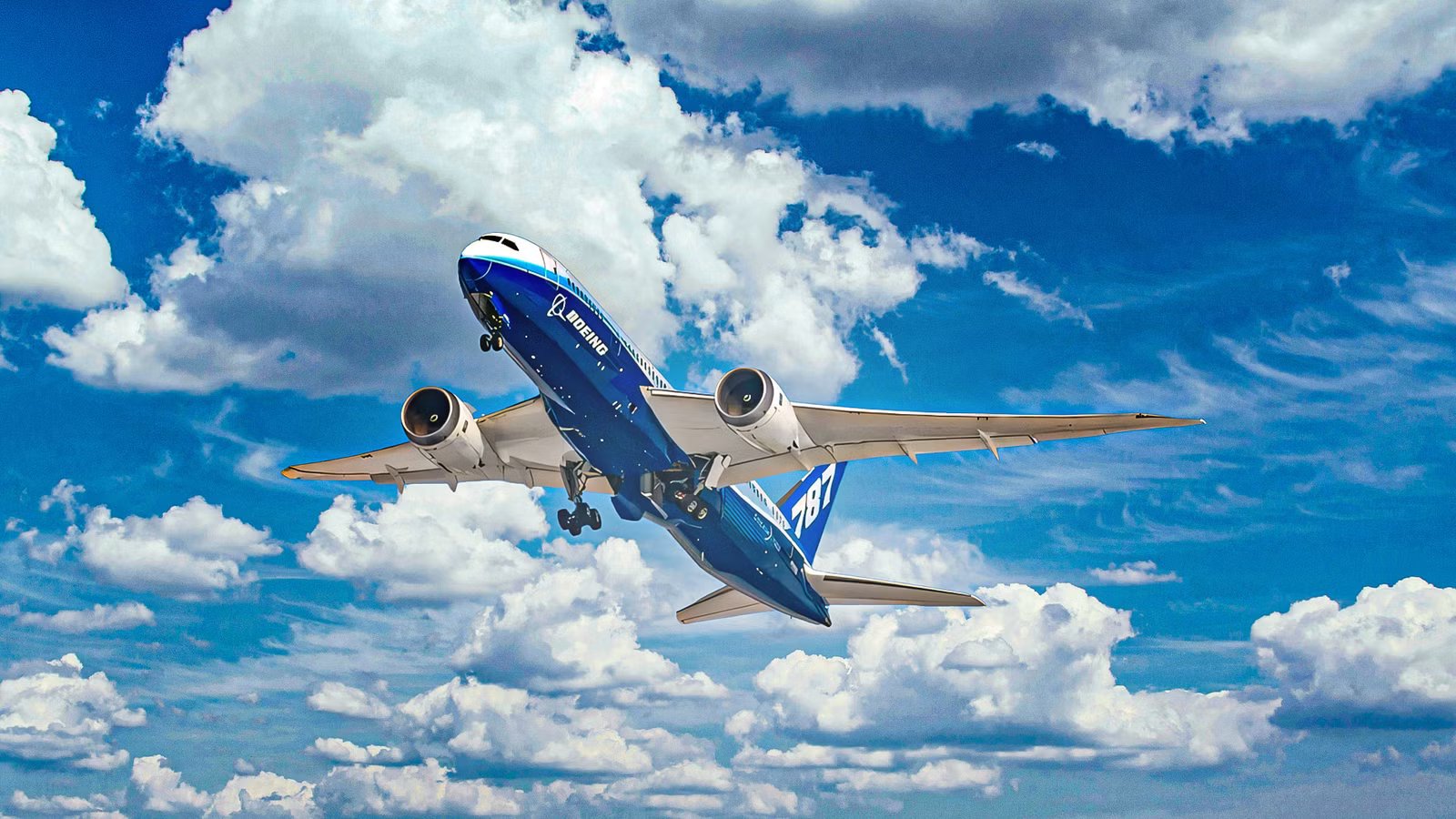
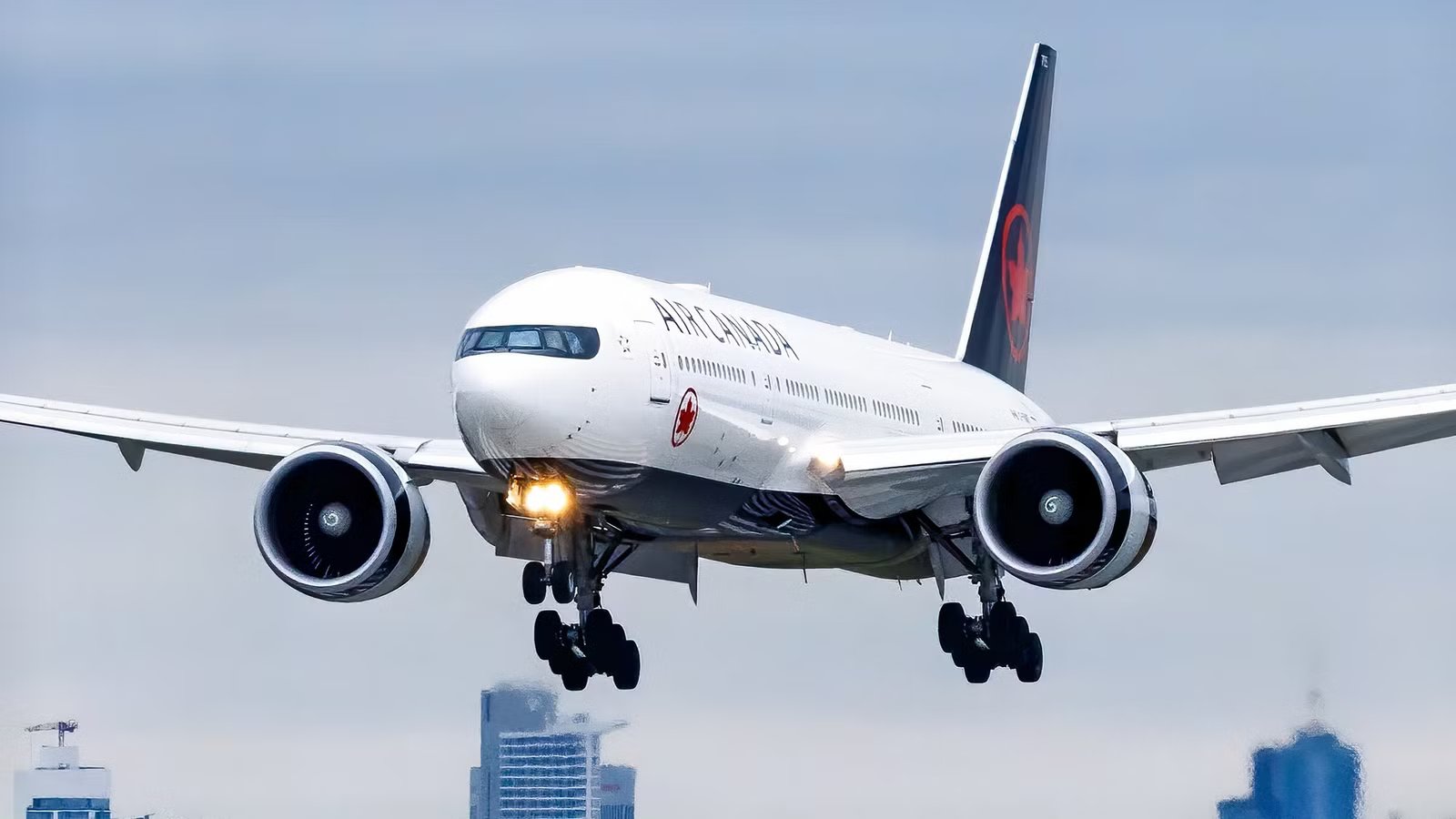
The Boeing 787, called the Dreamliner for a reason, it is a truly fascinating piece of modern aviation efficiency. This widebody aircraft has redefined the economics of long-haul travel, allowing airlines to operate point-to-point routes that were previously financially unviable. This guide will explore the precise mechanisms that allow the aircraft to maintain an astonishingly low fuel burn rate across thousands of miles.
While much of the industry dialogue centers heavily on the carbon fiber composite fuselage and the massive high-bypass turbofan engines, these elements are only part of a broader aerodynamic equation. Relying solely on material science ignores the complex, interconnected systems that truly set this jet apart from its legacy counterparts. By examining the electrical architecture, advanced avionics, and wing design, we can uncover how the 787 maximizes every drop of jet fuel.
Total Electric Revolution

The most radical departure from conventional commercial aircraft design found on the 787 is its entirely electrical architecture. Older widebodies rely heavily on a pneumatic system, which siphons high-pressure, high-temperature air directly from the engine compressors. This bleed air is then piped throughout the airframe to power cabin pressurization, anti-ice systems, and hydraulic pumps.
 Boeing engineers completely eliminated this pneumatic infrastructure in favor of electric motor-driven compressors. Achieved so by refusing to tap into the engine core for air, the turbofans are allowed to dedicate almost all their energy strictly to producing thrust. This means the engines operate closer to their ideal thermodynamic efficiency, requiring less fuel to maintain a steady cruising speed of 500 mph (804.6 km/h).
The elimination of heavy pneumatic ducts and valves also yields a massive weight reduction, which further compounds the fuel savings. Commercial pilots transitioning to the Dreamliner often note the immediate difference in engine spool-up times and power availability, as the powerplants are not burdened by parasitic pneumatic draws. This electrical shift is a primary reason the airframe achieves its legendary range.
Architectural Wing Design

A sleek fuselage is standard on modern jetliners that take to the skies today. When looking at the wing design of the 787, a masterclass in drag reduction can be seen that does not conform with the majority of these advanced aircraft. Instead of the abrupt, vertical winglets seen on the Boeing 737 or Airbus A330, the Dreamliner utilizes highly swept, raked wingtips. These elegant extensions blend seamlessly into the main wing structure, serving a highly specific aerodynamic purpose.
Raked wingtips increase the effective aspect ratio of the wing without adding the structural weight required to support a vertical winglet. This design significantly reduces lift-induced drag, which is the aerodynamic penalty an aircraft pays simply for staying aloft. By smoothing the airflow at the outermost edges of the wing, the aircraft slices through the air with far less resistance, directly translating into lower engine thrust requirements.
The flexibility of the wing allows it to bow upward during flight, adopting a shape that naturally dampens turbulence and maintains laminar airflow over its surface. This continuous, unbroken flow of air minimizes skin friction drag across the vast wingspan. The combination of the raked tips and the dynamic wing flex creates an aerodynamic profile that is heavily optimized for long-range, high-altitude cruising.

The Story Behind The Boeing 787 Dreamliner’s Impressive Wing Flex
The plane’s wings are engineered to bend upwards by up to 25 feet during flight.
Computational Optimization

Behind the glass panels of the flight deck, the 787 operates on millions of lines of code designed to optimize flight paths in real time. The advanced Flight Management System does far more than navigate from waypoint to waypoint and keep the aircraft on course. More importantly, it actively manages the aircraft’s energy state. This software constantly calculates the most efficient speeds and altitudes based on live atmospheric data to update in real time to ensure that even in unpredictable environments, efficiency is kept optimal.
One specific feature is the active gust alleviation system, which utilizes sensors in the nose to detect turbulence before it reaches the wings. The fly-by-wire computers then automatically make minute adjustments to the flaperons and elevators to counteract the rough air. While primarily a passenger comfort feature, this system prevents the aircraft from losing altitude or airspeed during turbulent encounters, saving the fuel that would normally be required to power back to the assigned cruising altitude.
|
Feature |
Traditional Widebody |
Boeing 787 |
Efficiency Impact |
|
Turbulence Response |
Pilot input required to correct altitude. |
Automated flaperon deflection. |
Prevents altitude loss, saving recovery thrust. |
|
Speed Control |
Reactive autothrottle adjustments. |
Predictive energy state management. |
Reduces throttle hunting during cruise. |
|
Flight Path |
Fixed mach cruise speeds. |
Dynamic cost-index routing. |
Optimizes fuel burn against flight time. |
The avionics also integrate seamlessly with current air traffic control networks, allowing for precise four-dimensional trajectory planning. By calculating the exact time of arrival at specific waypoints, the aircraft can maintain a constant, optimal thrust setting rather than speeding up and slowing down to meet ATC restrictions. This steady-state operation is crucial for keeping specific fuel consumption as low as possible over the long-haul flights that airlines typically use the type on.
Removing The Wires

Weight is the eternal enemy of flight, and traditional commercial aircraft carry thousands of pounds of heavy copper wiring hidden behind the cabin panels. The Boeing 787 tackles this issue by incorporating a massive fiber optic network that can transmit signals much faster, with a fraction of the weight required by the more traditional method. This shift in internal communications infrastructure is a subtle but powerful contributor to the overall fuel efficiency of the jet.
Utilizing the avionics full-duplex switched Ethernet protocol, the aircraft transmits data between its various computer nodes using light instead of electrical currents. Fiber-optic cables are substantially lighter than their copper counterparts, reducing the airframe’s empty weight by thousands of pounds and directly contributing to increased fuel efficiency. Every pound saved is a pound of fuel that no longer needs to be burned to keep the aircraft airborne.
Beyond the immediate weight savings, this network allows for decentralized computing. Instead of routing every sensor wire back to a central brain, localized remote data concentrators process information near the source and send it over a single fiber-optic strand. This efficient architectural layout requires less physical materials to build and maintain, creating a lighter, more agile system that is able to stay at the forefront of computing speed while retaining the robustness needed for a safety-sensitive environment like the aviation industry.

5 Reasons Why Pilots Prefer The Boeing 787 Dreamliner
The aircraft offers exceptional long-haul capabilities.
Better For The Wallet And The Planet

True efficiency extends all the way to the runway threshold, and the 787 is uniquely equipped to maximize fuel savings during the arrival phase. Standard landing procedures often require step-down descents, in which an aircraft drops to a specific altitude, levels off, and powers up the engines, burning significant fuel in the dense lower atmosphere. The Dreamliner is optimized for continuous descent approaches, which allows the aircraft to descend at an idle rate down to a target altitude or runway height. This ensures the 787 can stay in the air at the highest altitudes for as long as possible, helping to ensure every second of air time is optimized for fuel efficiency.
During a continuous descent approach, the flight computers calculate a smooth, uninterrupted glide path from the cruising altitude directly to the runway. With the engines idling, the aircraft essentially glides for hundreds of miles, utilizing its clean aerodynamic profile to maintain speed over this duration. This maneuver relies heavily on the precise automation and energy management capabilities built into the flight deck software, another key feature of the 787’s advanced flight management system.
|
Approach Phase |
Traditional Step-Down |
Continuous Descent Approach (CDA) |
|
Descent Profile |
Staggered leveling at ATC assigned altitudes |
Smooth, constant-angle glide |
|
Engine Thrust |
Frequent spool-ups are required to level off |
Engines remain at flight idle |
|
Fuel Burn |
High consumption in dense low-level air |
Minimal consumption; kinetic energy utilized |
|
Noise Impact |
Elevated noise from repeated thrust increases |
Drastically reduced noise footprint over cities |
Executing these idle-thrust descents saves hundreds of pounds of fuel per flight while simultaneously reducing the noise footprint over populated areas, providing airlines and airports with peace of mind when flying over noise-sensitive areas. Because the raked wingtips and flexible wings generate so much lift, the aircraft can stay aloft at lower speeds with minimal thrust input, making the final 20 minutes of the flight exceptionally economical.
The Pioneer Of Modern Flight

The engineering triumph of the 787 is not found in a single, isolated invention but in the aggressive pursuit of marginal gains across every system. It is a comprehensive reimagining of how a commercial jet functions, ensuring that the avionics, aerodynamics, and electrical architecture all support the same goal. This synergy is what allows airlines to open thin, long-haul routes that help, piece by piece, fill in the gaps of the global network puzzle.
As the aviation industry faces increasing pressure to reduce its carbon footprint, this widebody jet serves as a blueprint for the next generation of transport category aircraft. The lessons learned from the bleedless architecture and fiber optic integration are already influencing the design of future single-aisle and twin-aisle projects. The 787, as the real first generation of the composite age of widebody aircraft, is a pioneer, giving the tools needed to make future flight more economical for the wider industry to reap the rewards.
Ultimately, operating a jet that burns just 0.6 gallons (2.5 liters) of kerosene per passenger per 62 miles (100 kilometers) flown is an achievement of compounded efficiencies. From the active gust suppression keeping the nose level to the electric compressors spinning deep within the fuselage, every electron and air molecule is managed with extreme precision, allowing modern twinjets to dominate the transatlantic corridors.