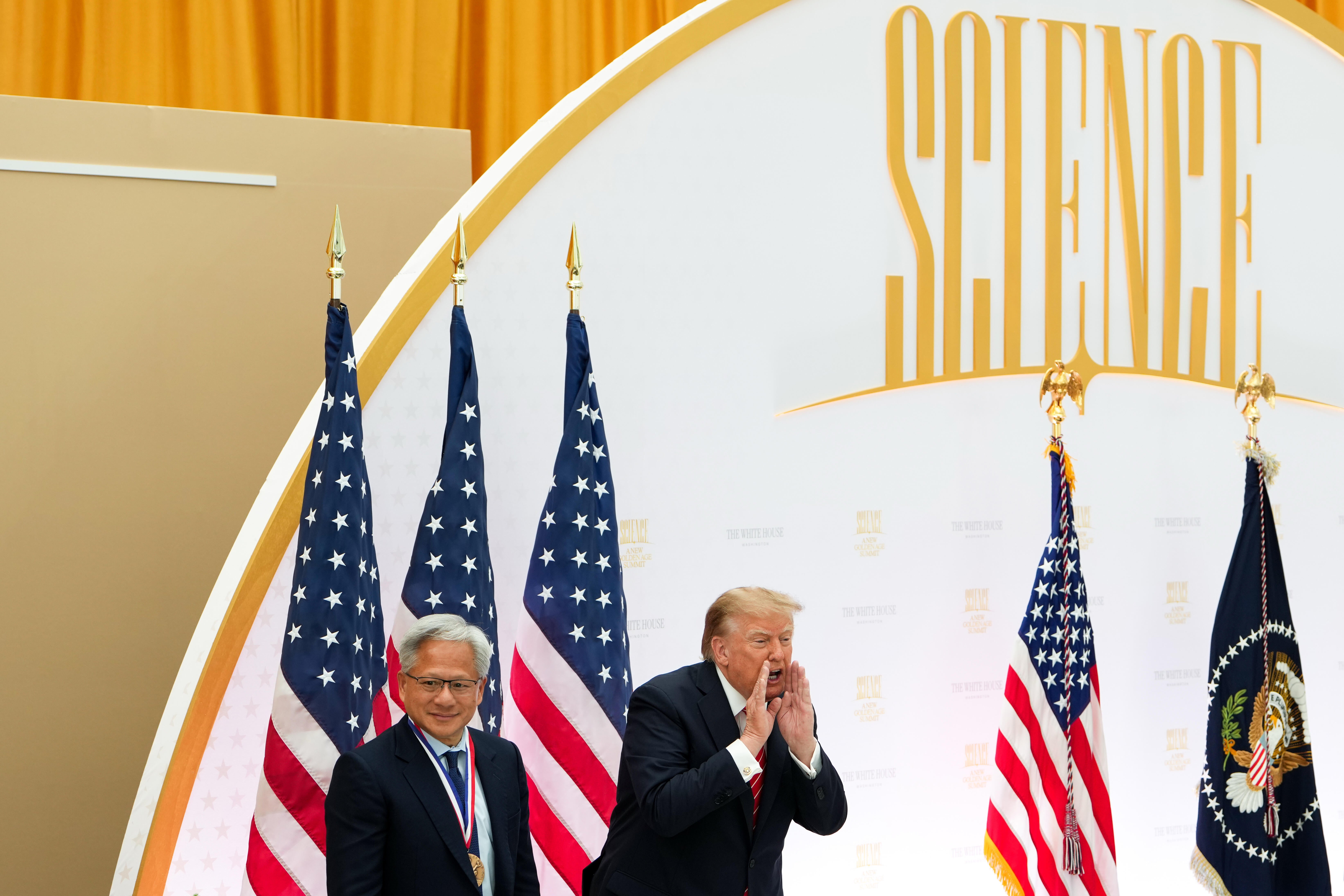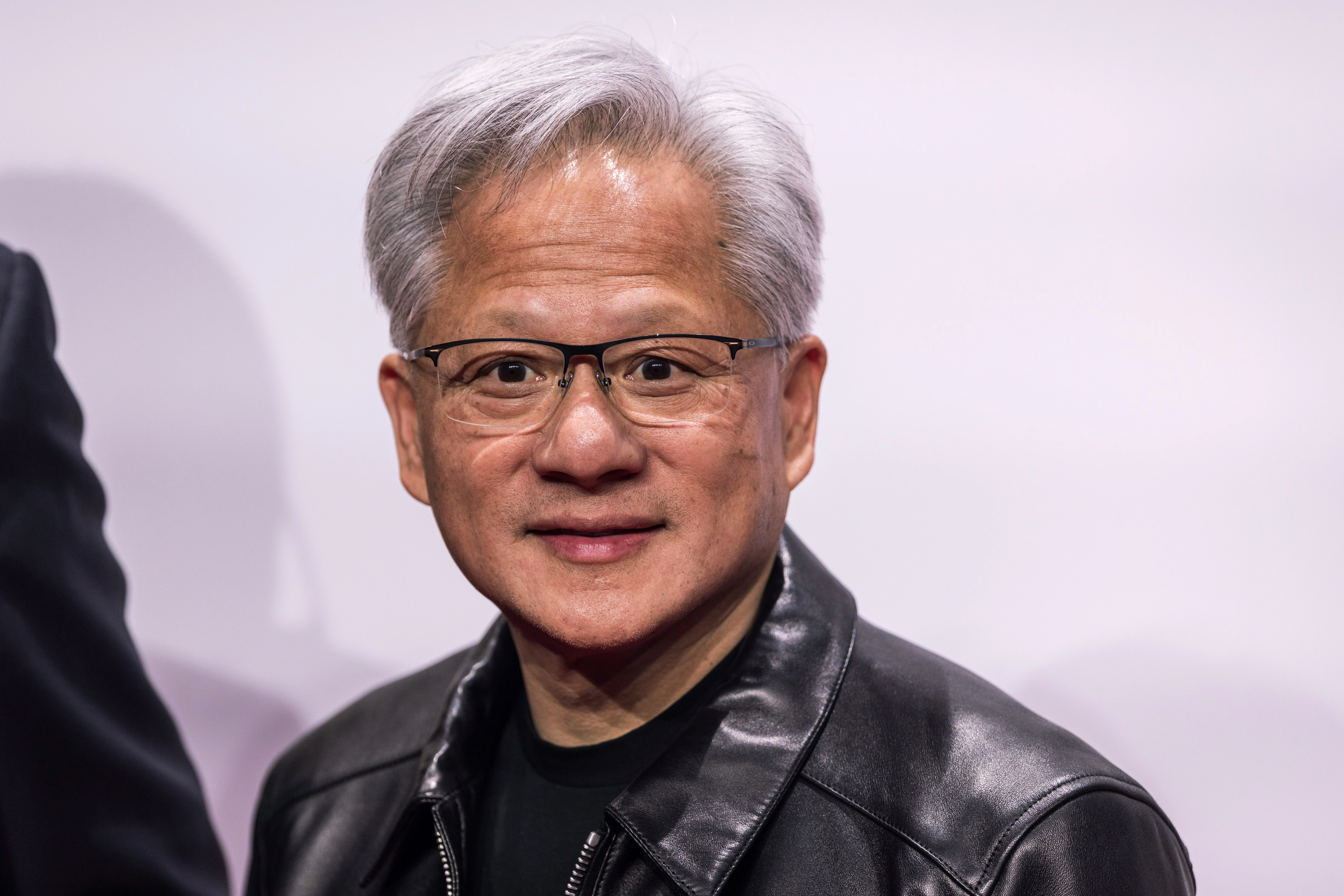
In a statement that has drawn immediate attention from financial markets and political observers, President Donald Trump declared that he had successfully persuaded the board of directors of Nvidia to reinstate Jensen Huang as the company's President and Chief Executive Officer. The announcement confirms that Huang has returned to the top leadership position at the world's leading designer of graphics processing units and artificial intelligence accelerators. This development follows a period of significant uncertainty regarding the stability of Nvidia's executive team, a factor that had been closely monitored by investors and industry analysts alike.
The reinstatement of Huang marks a pivotal moment for Nvidia, a company whose market capitalization has soared due to its dominant position in the AI hardware market. The return of its long-time leader is expected to stabilize internal operations and reassure stakeholders who had expressed concern over the sudden change in leadership. The geographical and operational context of this decision is centered in Santa Clara, California, where Nvidia's headquarters are located, but the ripple effects are felt globally across supply chains and software ecosystems that rely on Nvidia's technology.
President Trump's public attribution of this outcome to his own diplomatic efforts represents an unusual intervention in corporate affairs. While the White House has not provided detailed transcripts or official correspondence regarding these discussions, the explicit claim has sparked debate about the boundaries of political influence in the private sector. Stakeholders, including shareholders and industry partners, are now assessing the long-term implications of this interaction for corporate governance standards and the independence of board decisions in high-stakes technology companies.
In-Depth Analysis & Key Details
The historical context of this event is rooted in the increasing strategic importance of semiconductor technology to national security and economic competitiveness. The United States government has invested heavily in initiatives to maintain its lead in AI and chip manufacturing, making the stability of key players like Nvidia a matter of public interest. The suggestion that the President directly influenced a board decision challenges traditional norms of corporate independence, where boards are expected to act solely in the best interest of shareholders without external political pressure. This incident may set a precedent for how future political figures engage with the leadership of critical infrastructure companies.
From a regulatory and economic perspective, the event has introduced a new variable into the calculation of corporate risk. Investors typically rely on the predictability of governance structures; when political actors claim influence over executive appointments, it may lead to increased volatility in stock prices and heightened scrutiny from regulatory bodies. Industry analysts observe that while the return of Huang is likely to be viewed positively by the market in the short term due to his track record, the method of his reinstatement could complicate future governance dynamics. There is a potential for increased lobbying and political engagement in the tech sector, which could alter the competitive landscape.
Expert domain context suggests that the semiconductor industry operates under intense geopolitical pressure, with supply chains subject to export controls and trade policies. The involvement of the President in such a specific corporate decision underscores the blurring lines between state strategy and private enterprise. This dynamic may encourage other political figures to seek similar leverage in negotiations with major tech firms, potentially leading to a more politicized environment for innovation and investment. The long-term impact on corporate culture and board composition in the tech sector remains to be seen, but this event is likely to be a case study in the evolving relationship between government and industry.
"The assertion of direct presidential influence over a major tech firm's leadership signals a fundamental shift in the boundaries of corporate governance, raising critical questions about the independence of boards in the era of strategic technology competition."
Why This Matters & What Lies Ahead
For everyday readers and the broader public, this development underscores the deepening entanglement of political power and technological infrastructure. As AI and semiconductor technologies become integral to everything from healthcare to national defense, the stability and leadership of companies like Nvidia have direct implications for economic growth and innovation. The public's trust in the impartiality of corporate governance is a cornerstone of market confidence, and any perception of political interference can affect consumer and investor sentiment. Furthermore, the outcome of this incident may influence future policy debates on how the government should support or regulate the tech sector to ensure both competitiveness and ethical standards.
Looking ahead, stakeholders should monitor several key milestones. First, the response from Nvidia's board and shareholders to the President's comments will be crucial in determining whether the company reaffirms its commitment to independent governance. Second, regulatory bodies such as the Securities and Exchange Commission may review whether the interactions between the President and the board complied with disclosure requirements and fiduciary duties. Finally, upcoming earnings reports and strategic announcements from Nvidia will provide insights into how the leadership transition has affected the company's trajectory. These developments will offer a clearer picture of the long-term impact of this political-corporate interaction on the tech industry and the broader economy.
Source: Reported by ABC News · Analyzed & Synthesized by DNB Newsroom