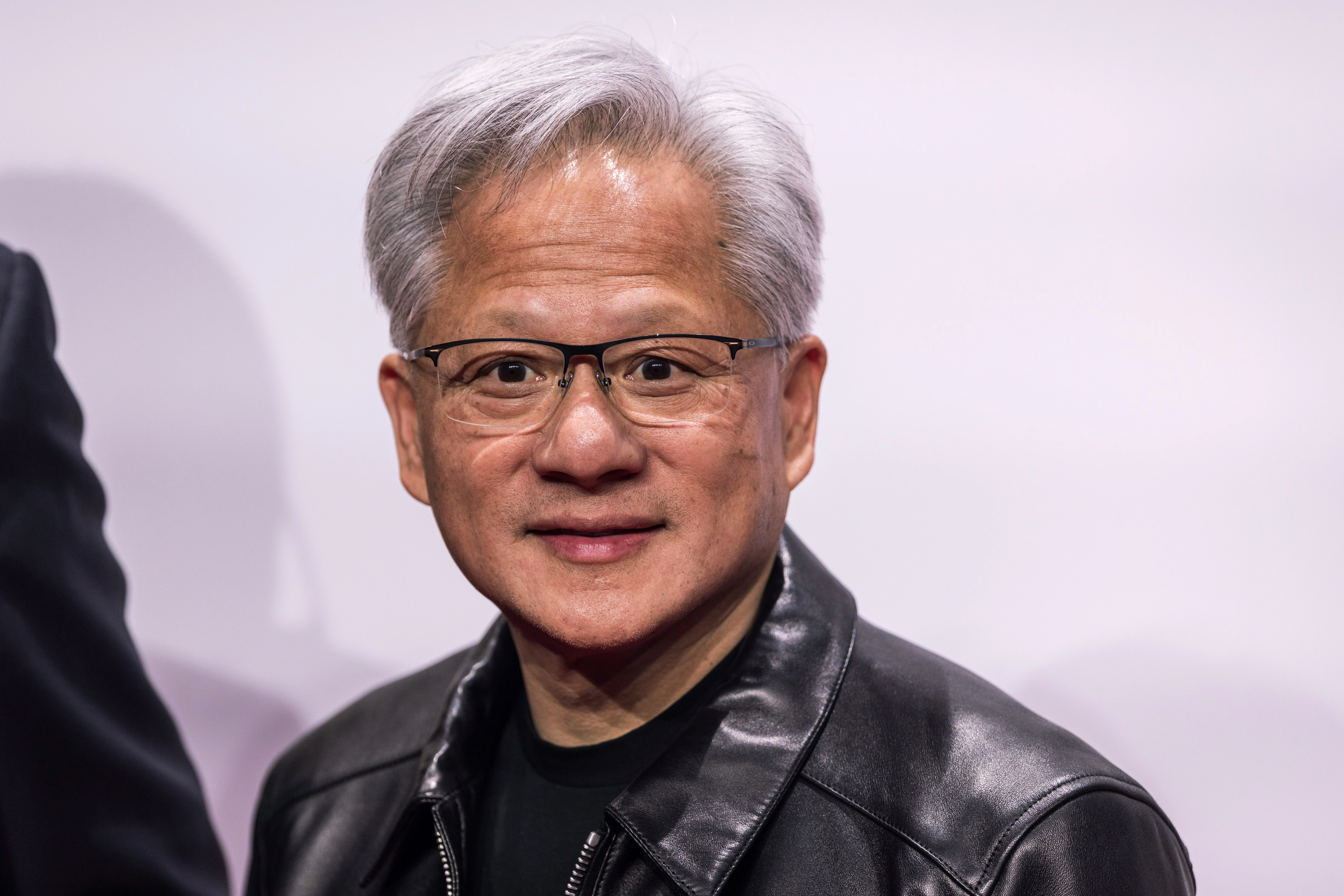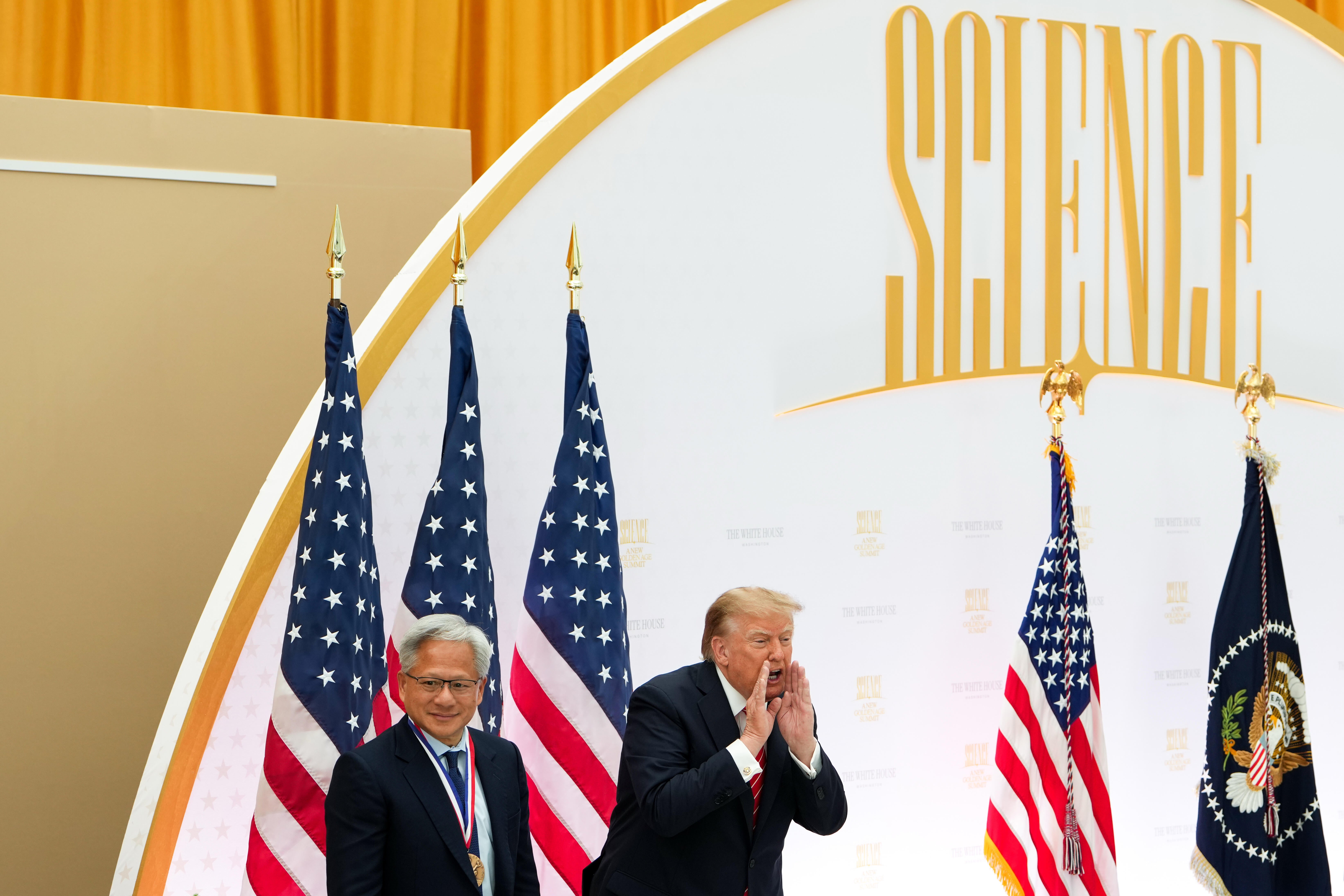
President Donald Trump took to the podium on Monday to address concerns that the return of Jensen Huang to Nvidia’s helm could jeopardize U.S. national‑security interests. In his remarks, the former commander‑in‑chief emphasized that federal agencies have found no evidence linking Huang’s leadership to any security vulnerability.
The comment was delivered in Washington, D.C., amid a broader dialogue about the strategic importance of advanced semiconductor manufacturing and artificial‑intelligence hardware. Nvidia, headquartered in Santa Clara, California, has become a pivotal supplier of GPUs that power everything from data‑center workloads to autonomous‑vehicle platforms.
Official spokespeople for the White House and the Department of Commerce echoed Trump’s sentiment, noting that existing export‑control frameworks already address any potential risks. Industry groups welcomed the clarification, saying it removes a lingering uncertainty that could have hampered supply‑chain planning for U.S. tech firms.
In-Depth Analysis & Key Details
The episode traces back to a series of congressional hearings last year that examined the geopolitical implications of U.S. chipmakers partnering with foreign entities. While Nvidia has historically maintained a largely domestic supply chain, its recent push into AI accelerators has drawn attention from both allies and rivals seeking to secure cutting‑edge processing power.
Regulators have grappled with balancing national‑security safeguards against the need to keep American innovation competitive. The Committee on Foreign Investment in the United States (CFIUS) has previously reviewed high‑profile semiconductor deals, setting precedents that inform current assessments of executive leadership changes. In this context, Trump’s statement serves as a de‑facto policy signal that existing mechanisms are deemed sufficient.
Technology policy analysts observe that the reassurance could accelerate Nvidia’s pending collaborations with defense contractors, which require clear compliance with the International Traffic in Arms Regulations (ITAR). By affirming that Huang’s return does not trigger additional oversight, the administration may be signaling a willingness to streamline approvals for AI‑enabled defense projects.
"The administration’s confidence that Nvidia’s leadership poses no security threat clears a critical hurdle for the next wave of AI hardware deployment."
Why This Matters & What Lies Ahead
For consumers and enterprises alike, the assurance removes a layer of regulatory ambiguity that could have delayed the rollout of next‑generation GPUs, affecting everything from cloud‑based AI services to high‑performance gaming. A smoother path for Nvidia’s product pipeline also bolsters the United States’ position in the global semiconductor race, where supply‑chain resilience has become a matter of economic and strategic security.
Stakeholders will be watching upcoming reviews by the Department of Commerce’s Bureau of Industry and Security, slated for the third quarter, as well as potential hearings in the Senate Commerce Committee. These forums could shape the final contours of export‑control policy for AI‑centric chips, influencing investment decisions and international partnership strategies for years to come.
Source: Reported by CBS News · Analyzed & Synthesized by DNB Newsroom